
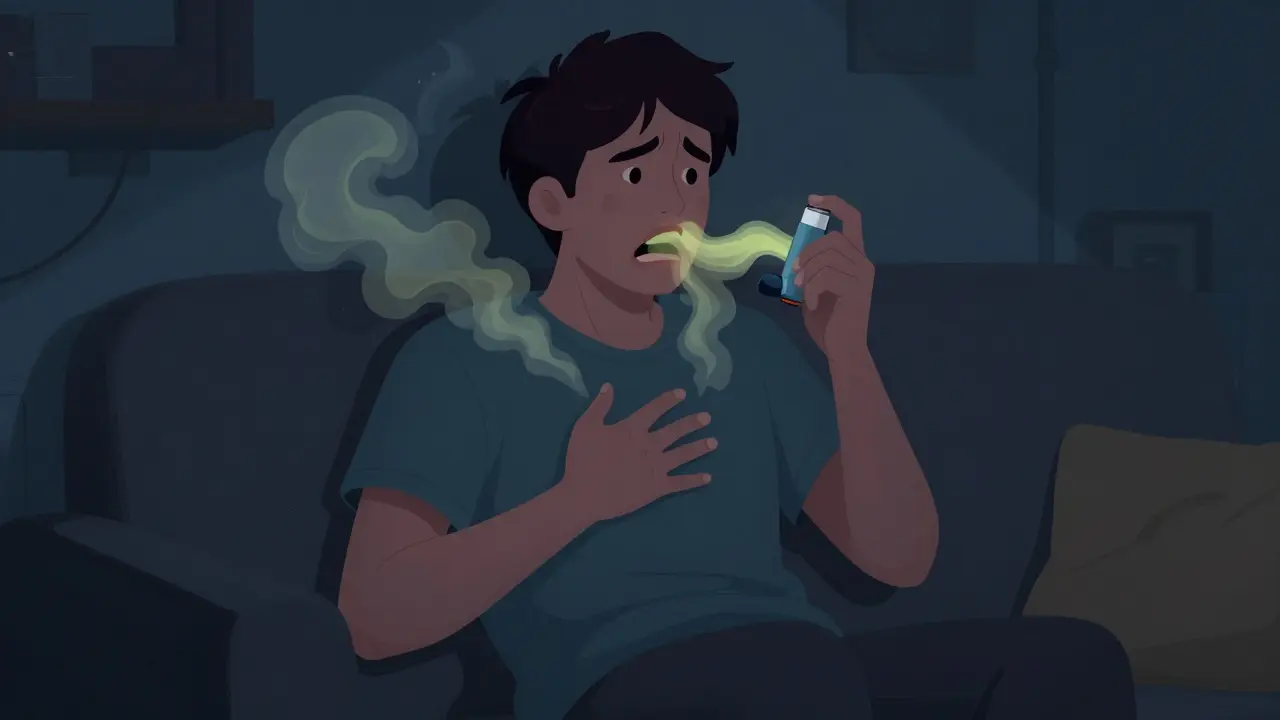
You are sitting on your couch, trying to catch your breath. It’s not just the usual heaviness you live with every day. Your chest feels tight, your cough is hacking up thick yellow phlegm, and no matter how many times you use your rescue inhaler, the air just won’t come. This isn't a bad day. This is a COPD exacerbation, also known as an acute exacerbation of chronic bronchitis (AECB), which is defined as a sudden worsening of COPD symptoms including shortness of breath, quantity and color of phlegm that typically lasts for several days. It is a medical event that demands immediate attention, not patience.
If you have been diagnosed with Chronic Obstructive Pulmonary Disease, often abbreviated as COPD, you know the drill. But when things go sideways, knowing exactly what is happening inside your lungs can save your life. An exacerbation is more than just a rough patch; it is a critical turning point where respiratory symptoms deteriorate beyond normal daily variations. According to data from the National Heart, Lung, and Blood Institute, or NHLBI, COPD remains a leading cause of death, and these flare-ups are the primary driver behind hospitalizations and long-term lung decline.
What Exactly Is Happening During a Flare-Up?
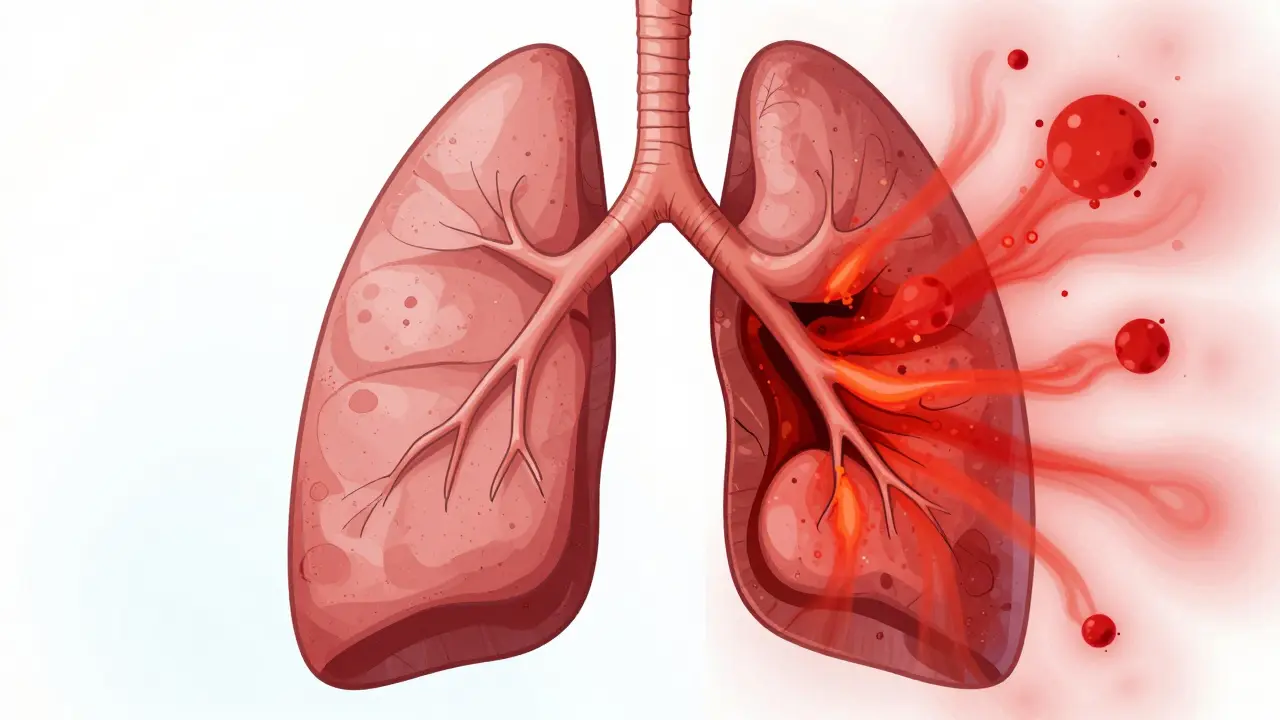
To understand why this feels so different from your baseline, you need to look at the mechanics. In a healthy pair of lungs, air flows in and out freely. In COPD, the airways are already narrowed and damaged. During an exacerbation, inflammation spikes dramatically. This swelling narrows the airways further, trapping air inside. You might feel like you can't get enough oxygen in, but the real problem is often that you can't get the stale air out. This leads to dynamic hyperinflation, which makes breathing feel impossible.
The inflammation doesn't stay local. Research published in the PubMed Central database, commonly referred to as PMC, shows that systemic inflammation markers like plasma fibrinogen and C-reactive protein rise substantially during these episodes. This means the stress hits your heart and blood vessels too, increasing cardiovascular risk. Every time you ignore a mild flare-up, you risk permanent, irreversible lung damage. The goal isn't just to survive the episode; it's to stop the cycle of decline.
Identifying the Early Warning Signs
Most people wait until they are gasping before calling for help. By then, it’s too late. You need to recognize the subtle shifts in your body. A true exacerbation involves symptoms that are worse than your normal baseline and persist for two or more days. Here is what to look for:
- Change in Sputum: If your mucus changes color to yellow or green, becomes thicker, or increases in volume, your body is fighting an infection. Sometimes it may even be streaked with blood.
- Increased Shortness of Breath: If walking across the room leaves you winded when it usually doesn’t, your airflow is compromised.
- Persistent Coughing and Wheezing: A cough that won’t quit and a whistling sound when you breathe indicate severe airway constriction.
- Fatigue and Sleep Disruption: If you’re waking up exhausted or can’t sleep because you’re short of breath, your oxygen levels may be dropping.
- Fever and Chills: These are classic signs of an underlying infection triggering the flare-up.
Dr. Majumdar from the Cleveland Clinic emphasizes that a COPD exacerbation is "more than a bad day." If your oxygen saturation drops below safe thresholds, it constitutes a life-threatening emergency. Don't guess. Use a pulse oximeter if you have one. If those numbers dip, seek care immediately.
The Main Triggers Behind COPD Exacerbations
Why did this happen? While sometimes the cause is unknown, roughly 75% of exacerbations are triggered by infections. Knowing the enemy helps you fight back.
| Trigger Category | Specific Causes | Prevalence / Notes |
|---|---|---|
| Viral Infections | Rhinovirus, Influenza, Respiratory Syncytial Virus (RSV) | Accounts for ~25% of cases. Highly contagious. |
| Bacterial Infections | Haemophilus influenzae, Moraxella catarrhalis, Streptococcus pneumoniae | Accounts for ~25% of cases. Often requires antibiotics. |
| Environmental Irritants | Air pollution, cigarette smoke, cold air, strong chemical smells | Can trigger inflammation without infection. |
| Combined Infections | Viral followed by bacterial superinfection | Accounts for another ~25%. Most severe cases. |
While viral infections like the common cold or flu are frequent culprits, bacteria such as Haemophilus influenzae play a huge role. Interestingly, studies during the pandemic revealed that while COVID-19 could trigger exacerbations, the severity was sometimes lessened by protective effects of inhaled COPD medications. Still, exposure to smoke or heavy air pollution can inflame airways just as effectively as a virus. Living in a city with high smog levels or spending time around secondhand smoke significantly raises your risk.
Emergency Treatment and Medical Interventions
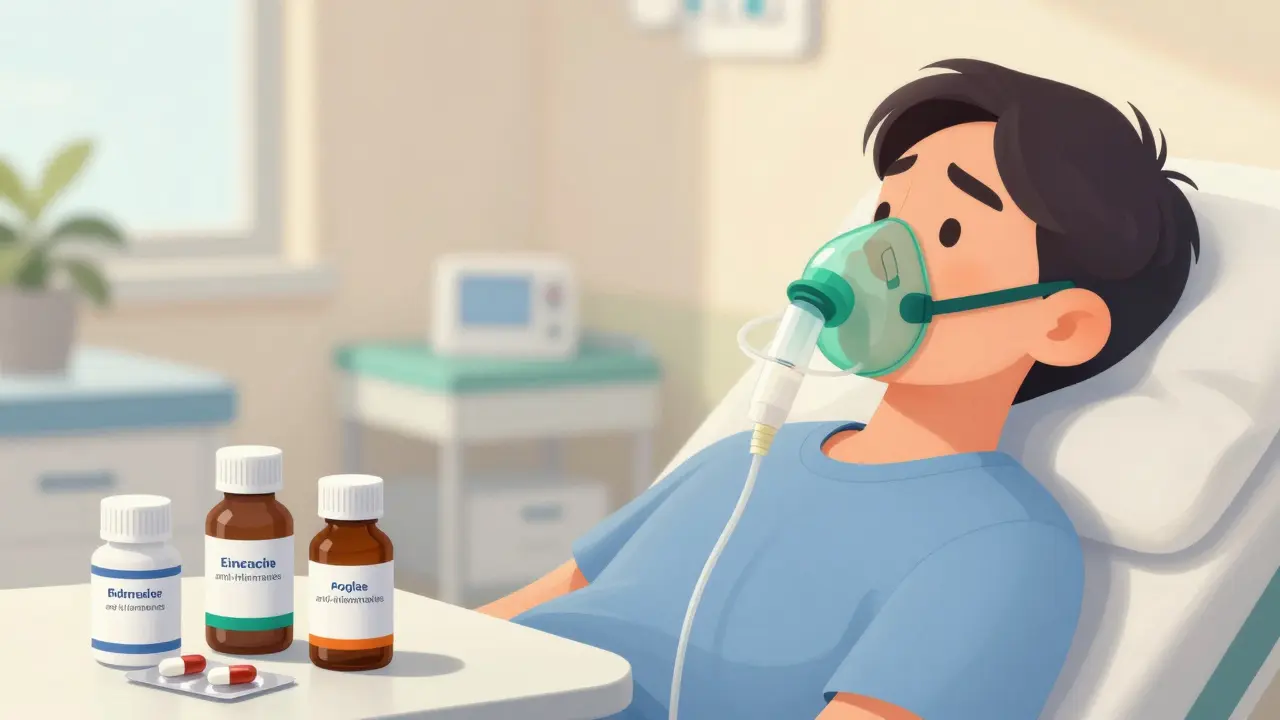
When you are in the middle of a severe flare-up, home remedies aren't enough. Emergency treatment focuses on three main pillars: restoring oxygen, reducing inflammation, and killing infections.
- Supplemental Oxygen: If your blood oxygen levels are dangerously low, hospitals will provide oxygen therapy. This is critical to prevent organ damage and relieve the strain on your heart.
- Oral Corticosteroids: Medications like prednisone are prescribed to aggressively reduce the swelling in your airways. They work fast to open up the passages so you can breathe again.
- Antibiotics: If a bacterial infection is suspected-indicated by colored sputum or fever-antibiotics are necessary to clear the pathogen. Common targets include Pseudomonas aeruginosa in advanced cases.
- Bronchodilators: You’ll likely receive increased doses of nebulized bronchodilators to relax the muscles around your airways.
In severe cases, non-invasive ventilation (BiPAP) or even intubation may be required if your respiratory muscles fail. More than 10 million healthcare visits annually in the United States are attributed to COPD exacerbations alone. Avoiding the ER is ideal, but recognizing when you need it is vital. If you cannot speak in full sentences, or if your lips turn blue, call emergency services immediately.
Creating Your Personal Action Plan
Reactive medicine is expensive and dangerous. Proactive planning saves lives. The American Lung Association recommends working with your provider to create a personalized COPD Action and Management Plan. This document should clearly outline:
- Your "green zone" (normal symptoms) and what maintenance meds to take.
- Your "yellow zone" (worsening symptoms) and which rescue meds to increase or add.
- Your "red zone" (severe distress) and exactly when to go to the hospital.
Monitoring your baseline on "good days" helps you spot deviations early. If you notice you’re using your rescue inhaler more than twice a week, that’s a warning sign. Prevention strategies include annual influenza vaccinations and pneumococcal vaccines. These shots drastically reduce the risk of infection-triggered flare-ups. Additionally, staying consistent with your maintenance inhalers-even when you feel fine-is crucial. Recent findings suggest these inhaled medications may offer some protection against severe outcomes from respiratory viruses.
Long-Term Impact and Recovery
Here is the hard truth: recovery from an exacerbation is rarely complete. Even after symptoms subside, research indicates that lung function may not fully return to pre-exacerbation levels for eight weeks or longer. Each episode chips away at your reserve. This is why preventing flare-ups is more important than treating them. The cycle of damage leads to progressive decline, making daily activities harder and increasing the risk of future hospitalizations.
However, you have control. By avoiding triggers, sticking to your medication regimen, and seeking early treatment for minor symptoms, you can break the cycle. Talk to your doctor about pulmonary rehabilitation programs, which strengthen your respiratory muscles and improve endurance. Small steps today mean easier breaths tomorrow.
How long does a typical COPD exacerbation last?
A typical COPD exacerbation lasts between 7 to 14 days, though some severe cases can persist for several weeks. Importantly, full recovery of lung function may take much longer, sometimes never returning completely to the pre-flare-up baseline.
What is the difference between a COPD flare-up and regular bad breathing days?
Regular bad days are temporary fluctuations within your normal range. A flare-up, or exacerbation, involves a significant worsening of symptoms-such as increased shortness of breath, changed sputum color/quantity, and fatigue-that persists for two or more days and requires additional medical therapy.
Can environmental factors trigger a COPD exacerbation without an infection?
Yes. While infections account for about 75% of cases, environmental triggers like air pollution, cold air, smoke, and strong chemical odors can cause inflammation in the airways, leading to an exacerbation even in the absence of a virus or bacteria.
Do I always need antibiotics for a COPD exacerbation?
Not always. Antibiotics are prescribed only if there is evidence of a bacterial infection, such as increased sputum purulence (yellow/green color), increased volume, or fever. Viral exacerbations do not respond to antibiotics.
How can I prevent future COPD exacerbations?
Prevention includes taking all prescribed maintenance medications consistently, getting annual flu and pneumococcal vaccines, avoiding smoking and secondhand smoke, minimizing exposure to air pollutants, and having a written action plan to address symptoms early.
