

Starting a new diabetes medication is often less about the chemistry and more about the trade-offs. You want better blood sugar control, but you also want to keep your energy up, avoid unexpected bathroom trips, and not gain weight you didn't ask for. The reality is that every drug class comes with a specific set of side effects. Knowing what those are before they happen can save you from panic, embarrassment, or stopping treatment altogether.
We are going to break down the most common medications used today-metformin, SGLT2 inhibitors, GLP-1 receptor agonists, and insulin-and exactly what their bodies do to your body. We’ll look at the numbers behind the nausea, the yeast infections, and the hypoglycemia risks, so you can walk into your next appointment with real questions instead of vague worries.
The First Line of Defense: Metformin and Gut Issues
If you have type 2 diabetes, chances are high your doctor started you on Metformin. It is the gold standard for a reason: it’s cheap, effective, and has been around for decades. But let’s be honest-the side effects are rarely romantic. The most common complaint is gastrointestinal distress. In fact, studies show that up to 30% of patients experience nausea, diarrhea, or abdominal cramping when they first start taking it.
This isn’t just "feeling a bit off." For many, it means running to the bathroom shortly after eating. A 2021 study in JAMA Internal Medicine found that over 26% of users reported nausea and nearly 23% dealt with diarrhea. The good news? Your gut usually gets used to it. Doctors typically recommend starting with a low dose (500 mg) taken with dinner. Taking it with food acts as a buffer against the stomach lining irritation. If the regular version still makes you miserable, ask about the extended-release (ER) formulation. Research indicates ER metformin cuts GI side effects by half because it releases slowly into your system rather than all at once.
There is another hidden side effect that doesn’t show up until years later: vitamin B12 deficiency. Long-term use (five years or more) can lower your B12 levels in 10-30% of patients. Low B12 leads to fatigue, tingling in the hands and feet, and memory fog. Since these symptoms mimic diabetic neuropathy, they are often missed. The fix is simple: get your B12 levels checked annually. If they are low, a monthly injection or supplement can reverse the damage completely.
SGLT2 Inhibitors: Peeing Out Sugar and Infection Risks
SGLT2 inhibitors like empagliflozin (Jardiance) and dapagliflozin (Farxiga) work differently than almost any other diabetes drug. Instead of helping your pancreas make more insulin, they tell your kidneys to flush excess glucose out through your urine. This lowers blood sugar and helps you lose weight, but it changes your bathroom habits significantly.
You will urinate more. That is the primary mechanism. Because sugar is sweet and bacteria love sugar, this creates a perfect environment for yeast infections and urinary tract infections (UTIs). Clinical data shows that 10-15% of women and 3-5% of men using these drugs develop genital mycotic infections. It sounds scary, but it is usually manageable. The key is hygiene. Keep the area dry, wear breathable cotton underwear, and wash gently with water. Avoid douches or harsh soaps, which disrupt natural flora and make infections worse.
There is a rarer but serious risk called euglycemic ketoacidosis. This happens when your body burns fat for fuel instead of sugar, creating ketones, even if your blood sugar looks normal. Symptoms include extreme tiredness, nausea, and shortness of breath. While rare (affecting less than 0.3% of users), it is dangerous. If you are sick, fasting, or planning surgery, talk to your doctor about pausing the medication. Also, stay hydrated. Dehydration amplifies the risk of kidney stress and dizziness caused by volume depletion.

GLP-1 Agonists: Weight Loss vs. Nausea
GLP-1 receptor agonists such as semaglutide (Ozempic/Wegovy) and liraglutide (Victoza) have taken the medical world by storm. They mimic a hormone that tells your brain you are full, slows down digestion, and stimulates insulin release. The result? Significant weight loss and better blood sugar control. But the path to those benefits is paved with nausea.
About 30-50% of people experience nausea when starting these injections. Some report vomiting or diarrhea. Why? Because the drug slows gastric emptying. Food sits in your stomach longer. If you eat a large meal, you might feel uncomfortably full or sick. The strategy here is pacing. Eat smaller portions. Stop eating before you feel full. Avoid fatty or fried foods, which sit heavier in the stomach. Most people find that the nausea subsides after a few weeks as their body adjusts to the slower digestion rate.
Another consideration is cost and access. These drugs are expensive, often costing hundreds of dollars a month without insurance. Additionally, supply shortages have been common due to high demand. If you are considering this class for weight management alone, ensure your provider monitors your thyroid health, as there is a theoretical risk of thyroid tumors seen in rodent studies (though not yet confirmed in humans).
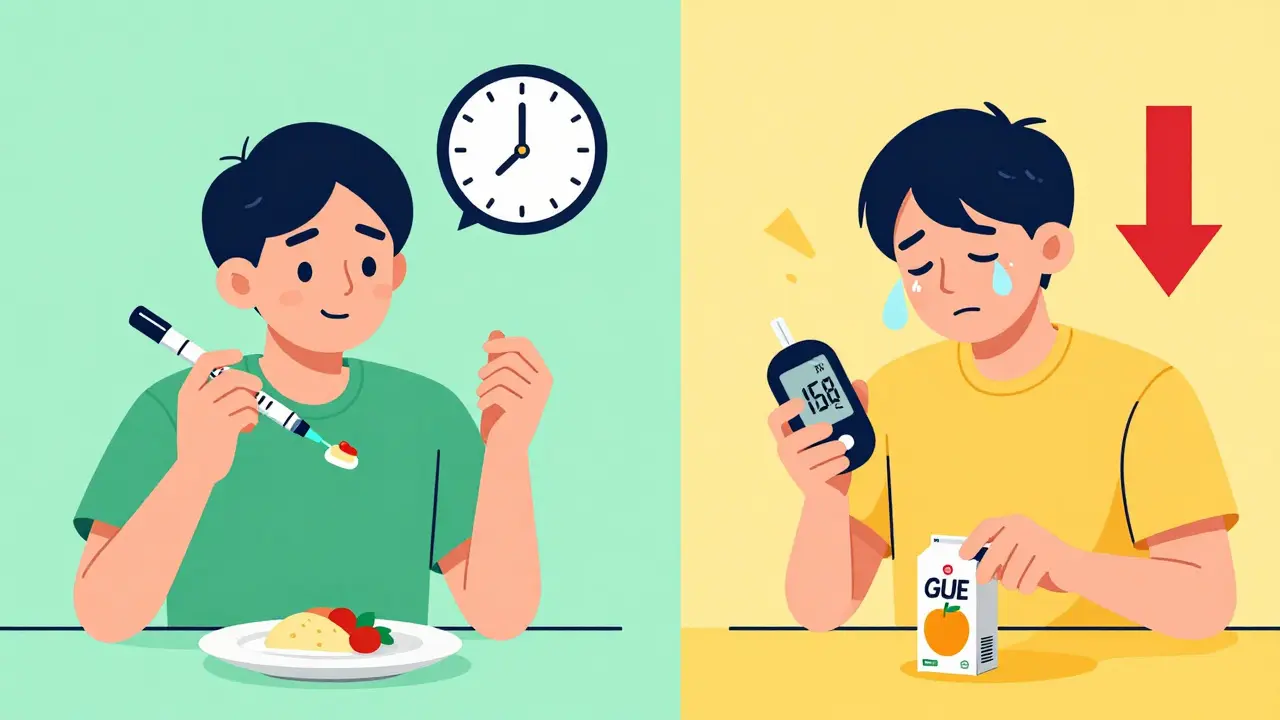
Sulfonylureas and Insulin: The Hypoglycemia Trap
Older classes like Sulfonylureas (glipizide, glyburide) and insulin are powerful tools, but they carry the highest risk of hypoglycemia-blood sugar dropping too low. Sulfonylureas force your pancreas to pump out insulin regardless of whether you need it. This means if you skip a meal or exercise more than usual, your sugar can crash. About 16% of sulfonylurea users experience at least one hypoglycemic episode per year.
Insulin therapy carries an even higher risk, especially with intensive regimens. Symptoms of lows include shaking, sweating, confusion, and rapid heartbeat. The standard rescue plan is the "15-15 rule": consume 15 grams of fast-acting carbs (like four glucose tablets or half a cup of juice), wait 15 minutes, and retest. If it’s still low, repeat. Always carry a fast-acting carb source with you. Never drive until your blood sugar is stable above 70 mg/dL.
Weight gain is another common side effect of both insulin and sulfonylureas. Insulin promotes fat storage, and sulfonylureas increase calorie absorption efficiency. On average, patients may gain 2-5 kg. This is why newer agents like GLP-1s and SGLT2 inhibitors are often preferred now-they offer cardiovascular and renal benefits while promoting weight loss or neutrality.
| Medication Class | Common Side Effects | Weight Impact | Hypoglycemia Risk |
|---|---|---|---|
| Metformin | Nausea, diarrhea, B12 deficiency | Neutral or slight loss | Low |
| SGLT2 Inhibitors | Yeast infections, UTIs, dehydration | Loss | Low |
| GLP-1 Agonists | Nausea, vomiting, constipation | Significant loss | Low |
| Sulfonylureas | Dizziness, hunger pangs | Gain | Moderate to High |
| Insulin | Injection site reactions, swelling | Gain | High |
Managing Side Effects: Practical Strategies
You don’t have to suffer in silence. Communication with your healthcare provider is key. If metformin makes you nauseous, switch to extended-release. If SGLT2 inhibitors cause recurrent yeast infections, antifungal creams or preventive probiotics might help. If GLP-1 nausea is unbearable, slow down the dose escalation schedule.
Lifestyle adjustments play a huge role. Consistent meal timing prevents hypoglycemia with insulin secretagogues. Hydration protects your kidneys when using SGLT2 inhibitors. Gentle movement aids digestion for those on GLP-1s. Remember, the goal is not just a number on a meter-it’s a life you can live comfortably. If a side effect impacts your quality of life, discuss alternatives. There are more options now than ever before, including dual agonists like tirzepatide that may offer better tolerability profiles.
How long does metformin nausea last?
For most people, metformin-induced nausea improves within two to four weeks as the body adjusts. Starting with a low dose and increasing gradually, or switching to the extended-release version, can significantly reduce or eliminate this symptom.
Can SGLT2 inhibitors cause kidney failure?
No, SGLT2 inhibitors actually protect kidney function in the long term by reducing pressure inside the kidney filters. However, they can cause temporary dehydration or acute kidney injury if you become severely dehydrated from illness or heat exposure. Stay well-hydrated and pause the medication during severe sickness.
Why do I feel hungry after taking sulfonylureas?
Sulfonylureas stimulate insulin release independent of blood sugar levels. When insulin is high, your cells absorb glucose rapidly, which can drop your blood sugar slightly and trigger hunger signals. Eating small, balanced snacks can help manage this without spiking your sugar.
Do GLP-1 agonists stop working over time?
Some patients experience a plateau in weight loss or glycemic control after initial success. This is often due to metabolic adaptation or lifestyle creep. Dose adjustments or combining therapies may be needed to maintain results. Consult your doctor before making changes.
What should I do if I miss a dose of insulin?
Check your blood sugar immediately. If it is high, take the missed dose as soon as you remember, unless it is close to the next scheduled dose. Do not double up. Monitor closely for hyperglycemia symptoms and adjust future doses based on guidance from your care team.
