
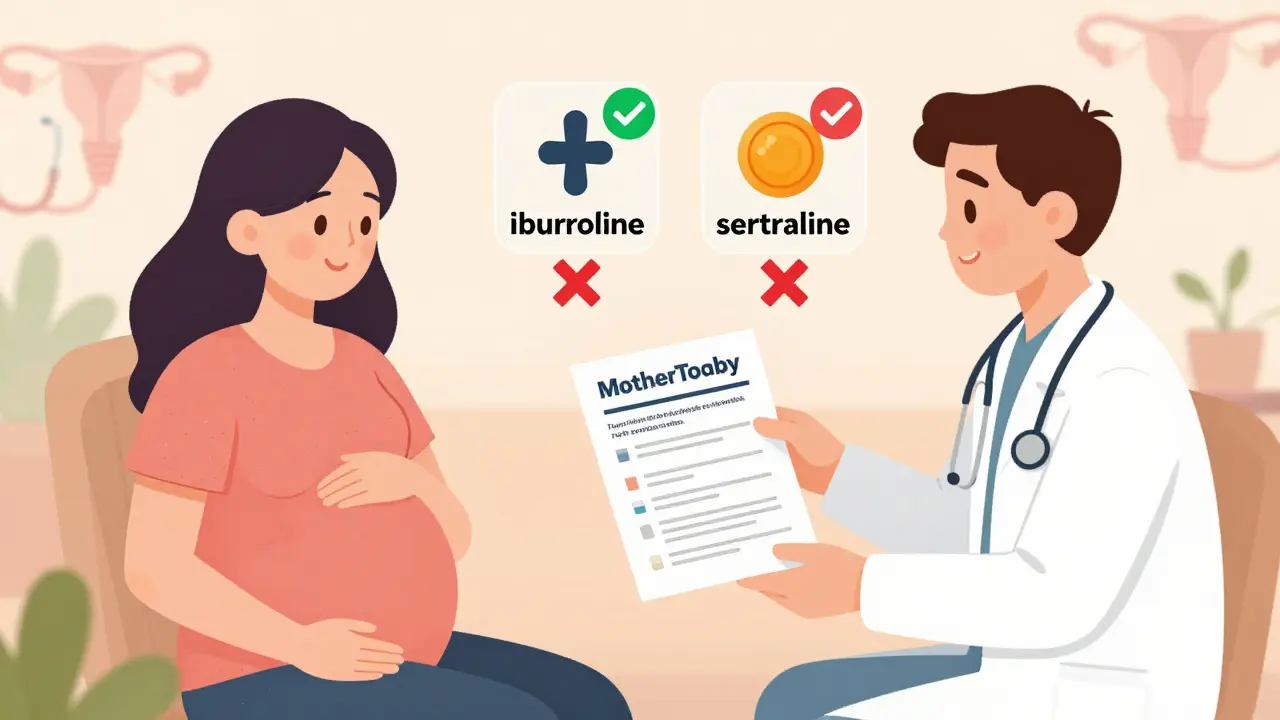
When you're pregnant or planning to breastfeed, taking any medication - even something as simple as an ibuprofen or an antidepressant - isn't just about your health anymore. It's about your baby's too. Yet, too often, these conversations don't happen until it's too late. A 2023 study found that 68% of pregnant people felt their provider didn't take their medication concerns seriously. That’s not just a gap in care - it’s a preventable risk.
Why This Conversation Can't Wait
The stakes are high. Around 90% of pregnant individuals in the U.S. take at least one medication during pregnancy. Seven in ten take prescription drugs. Some of those medications carry known risks to fetal development. But here’s the truth: not taking a needed medication can be just as dangerous. Untreated depression, uncontrolled high blood pressure, or poorly managed epilepsy can lead to preterm birth, low birth weight, or even stillbirth. The goal isn’t to avoid all drugs - it’s to choose the right ones, at the right time, with full understanding.When to Start Talking
This isn’t a one-time chat. It’s a process that starts before you even get pregnant. If you’re trying to conceive, talk to your provider about every medication you take - prescriptions, over-the-counter drugs, supplements, even herbal remedies. Many people don’t realize that some medications need to be switched weeks or months before conception to reduce risk. For example, certain acne treatments like isotretinoin can cause severe birth defects, and you need to stop them at least a month before trying to get pregnant. Once you’re pregnant, bring up medication safety at every prenatal visit. Don’t wait for your provider to ask. Say something like: “I’m still taking my blood pressure pill - is it safe?” or “I’ve been feeling anxious lately. Can we talk about what’s safe for breastfeeding?”What to Ask
Don’t settle for vague answers like “It’s probably fine.” Push for specifics:- What’s the actual risk? Instead of “rare side effects,” ask: “What’s the chance this could cause a birth defect?” The answer might be something like “1 in 1,000,” which puts it in perspective.
- Are there safer alternatives? For pain relief, acetaminophen (paracetamol) is the only recommended option during all trimesters. Ibuprofen and naproxen should be avoided after 20 weeks. For anxiety or depression, certain SSRIs like sertraline have more safety data than others.
- What happens if I stop? If your provider suggests stopping a medication, ask: “What are the risks of not treating my condition?” Many patients stop meds on their own because they’re scared - and that’s often more dangerous than the drug itself.
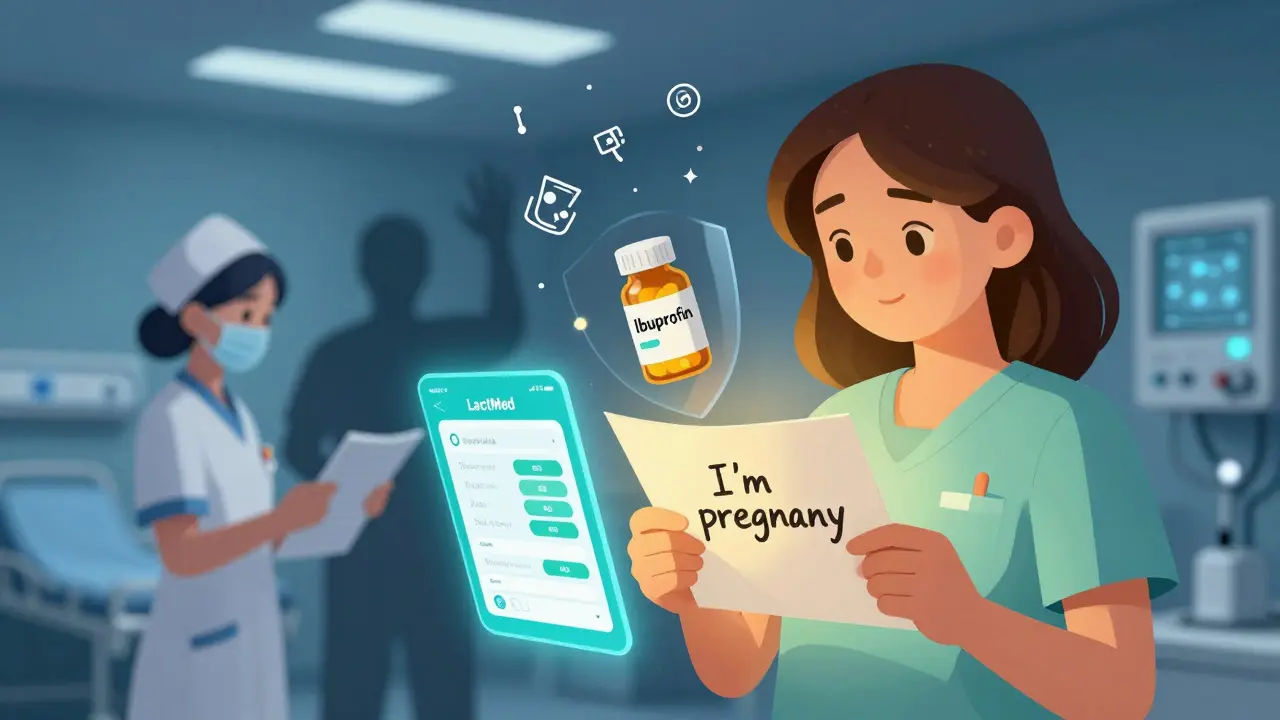
- What about breastfeeding? Some drugs pass into breast milk. Others don’t. LactMed, a free database from the National Library of Medicine, has up-to-date info on over 1,500 medications and breastfeeding safety. Ask your provider to check it with you.
Use Trusted Resources - Not Google
Google searches for “is X drug safe during pregnancy” often lead to scary, outdated, or misleading results. A 2022 study found only 43% of top Google results matched expert guidelines. Instead, rely on evidence-based tools:- MotherToBaby - A free, 24/7 helpline (1-866-626-6847) staffed by specialists who review medications using the TERIS database, which contains risk assessments for over 1,800 substances. They also offer printable fact sheets - ask your provider for one.
- LactMed - Available as a free mobile app or website. It tells you if a drug enters breast milk, how much, and if it could affect the baby.
- Lexicomp OB/GYN Toolkit - Used in most major hospitals. If your provider uses Epic or Cerner, they likely have access to this. Ask if they’ve checked it.
Document Everything
Your medical record should clearly show that medication safety was discussed. Providers use specific codes like Z33.1 (pregnant state incidental) and Z34.00 (supervision of normal pregnancy). If you don’t see these in your records, ask: “Was this conversation documented?” Also, ask for written summaries. Patients who received printed fact sheets from MotherToBaby were 3x more likely to stick with safe medication regimens, according to Healthgrades reviews. A simple handout with the drug name, risk level, and alternatives makes a huge difference.What If You’re in an Emergency?
Emergency rooms are a common place for medication errors. A 2023 study found that 43% of pregnant patients were prescribed ibuprofen or other unsafe drugs because no one asked about pregnancy status. Always say: “I’m pregnant” or “I’m breastfeeding” - even if you’re there for a broken arm. Write it on a piece of paper and hand it to the triage nurse. If you’re on chronic meds, carry a list in your wallet or phone.What About Mental Health Medications?
This is one of the most overlooked areas. Depression and anxiety during pregnancy are common - and untreated, they can harm both mother and baby. Many antidepressants, especially sertraline and citalopram, are considered low-risk for breastfeeding. But many providers still avoid prescribing them out of fear, not science. If your provider says “avoid all antidepressants,” ask: “Which ones have the most safety data? Can we look at LactMed together?”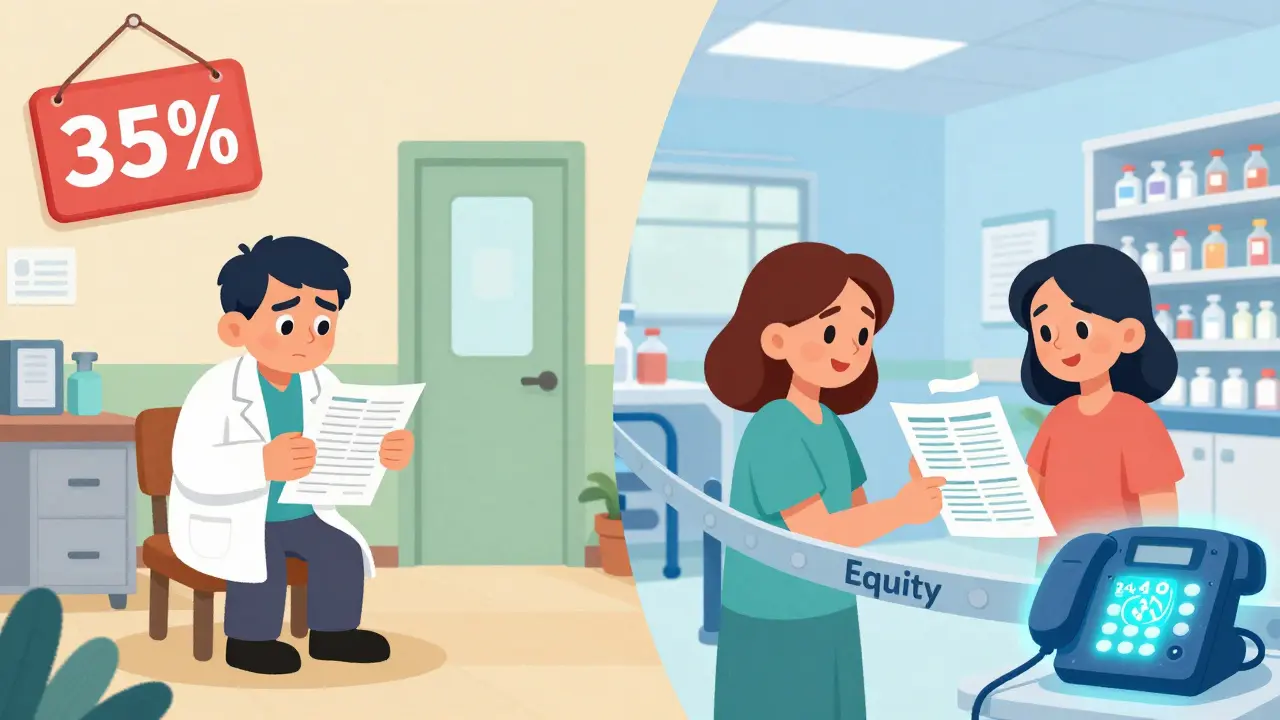
What If Your Provider Doesn’t Know?
Not every provider is up to speed. A 2023 survey showed only 58% of general OB/GYNs consistently review medications, compared to 96% of maternal-fetal medicine specialists. If you feel dismissed, ask for a referral to a pharmacist who specializes in pregnancy. Pharmacists are now required to review medications at three key points: when pregnancy is confirmed, when a drug is changed, and when switching to breastfeeding. Many hospitals have perinatal pharmacists on staff. You can also call MotherToBaby directly - they’ll help you explain the risks to your provider.The Bigger Picture: Why This Matters
Structured medication safety conversations have cut preventable birth defects by 30% in clinics that use them. Facilities with formal protocols see 42% fewer medication-related complications. But progress is uneven. Only 22% of Medicaid patients get documented medication reviews - compared to 78% of privately insured patients. Rural clinics are even worse off, with only 35% having access to teratology specialists. This isn’t just about individual choices. It’s about equity. If you’re low-income, live in a rural area, or speak a language other than English, you’re more likely to be left out of these life-saving conversations. Push for better. Ask for resources. Demand documentation.Final Checklist Before Your Next Appointment
Bring this list with you:- Full list of all medications (including supplements and OTC drugs)
- Any recent changes in your health or symptoms
- Questions about safety for pregnancy and breastfeeding
- Request for printed MotherToBaby fact sheets
- Ask: “Is this documented in my chart?”
Medication safety during pregnancy and breastfeeding isn’t about fear. It’s about informed choice. You deserve to know the real risks - not the scary rumors or silence. Take charge. Ask the questions. Use the tools. Your baby’s health depends on it.
Is it safe to take ibuprofen while pregnant?
No, ibuprofen should be avoided after 20 weeks of pregnancy. It can cause serious problems in the baby, including reduced amniotic fluid and heart issues. Before 20 weeks, occasional use may be okay under provider supervision, but acetaminophen is always the safer choice for pain relief during pregnancy.
Can I breastfeed while taking antidepressants?
Yes, many antidepressants are safe for breastfeeding. Sertraline and citalopram are among the best-studied and least likely to pass into breast milk in harmful amounts. Stopping medication for depression can be more dangerous than continuing it - untreated depression affects bonding, feeding, and your ability to care for your baby. Always check LactMed or consult a pharmacist.
What if my doctor says a medication is ‘safe’ but I’m still worried?
It’s okay to ask for more proof. Request a copy of the safety data, ask if they checked MotherToBaby or LactMed, or ask for a referral to a perinatal pharmacist. You have the right to understand the evidence behind any recommendation. If your provider can’t or won’t explain it clearly, seek a second opinion.
Are herbal supplements safe during pregnancy?
Many are not. Herbal products aren’t regulated like drugs, and their safety data is often limited or missing. Chamomile, ginger, and peppermint are generally low-risk in small amounts, but others like black cohosh, goldenseal, or dong quai can cause contractions or harm the baby. Always tell your provider about every supplement you take - even if you think it’s “natural.”
How do I know if a medication is truly safe for breastfeeding?
Use LactMed, a free, science-backed database from the National Library of Medicine. It tells you how much of the drug enters breast milk, whether it’s likely to affect the baby, and if there are safer alternatives. Avoid relying on forums, blogs, or social media - they’re often wrong. A pharmacist or MotherToBaby specialist can help you interpret the results.
What should I do if I took a risky medication before knowing I was pregnant?
Don’t panic. Most medications don’t cause harm, and many birth defects occur randomly regardless of exposure. Call MotherToBaby immediately (1-866-626-6847). They’ll assess your specific situation using the TERIS database and tell you the actual risk level - often much lower than you fear. Early assessment gives you time to plan next steps with your provider.
Next Steps: What to Do Today
If you’re pregnant or planning to be:- Make a list of every medication, supplement, and herb you take - even if you think it’s harmless.
- Call MotherToBaby (1-866-626-6847) or visit mothertobaby.org. Get a fact sheet for any drug you’re unsure about.
- Bring that list and those sheets to your next appointment. Say: “I want to make sure everything I’m taking is safe for my baby.”
- If you’re breastfeeding and unsure about a drug, check LactMed on your phone before taking anything new.
Small steps save lives. You’re not alone - and you don’t have to guess.


This post is literally life-saving info, but let’s be real-most doctors don’t give a damn until you scream. I took ibuprofen for a week before I knew I was pregnant. My OB just shrugged and said, 'Eh, probably fine.' Guess what? My kid’s fine. But what if he wasn’t? Why do we have to beg for basic info like this? Someone should sue the whole system.