

Walking your child into a hospital for a medical procedure is stressful enough without worrying if you've followed the rules for their medication and fasting. Whether it's a quick dental fix or a more complex surgery, the goal of pediatric preoperative medication is to keep your child calm, safe, and physically ready for anesthesia. When done right, these protocols don't just make the process easier for the doctors; they can reduce postoperative behavioral outbursts by about 37% and significantly lower the risk of complications.
The Game Plan for Fasting (NPO Guidelines)
You'll often hear the term "NPO," which is medical shorthand for "nothing by mouth." In kids, the rules are a bit more flexible than for adults because children's stomachs empty faster. However, sticking to these timelines is non-negotiable to prevent pulmonary aspiration-where stomach contents enter the lungs during sedation.
According to standards used by institutions like Texas Children's Hospital, the general rule of thumb is: no solid foods after midnight for children over 12 months. But liquids are handled differently depending on the type:
- Breast milk: Allowed up to 4 hours before the procedure.
- Formula or Cow's Milk: Allowed up to 6 hours before arrival.
- Clear Liquids: These include water, apple juice (no pulp), or clear sodas like Sprite. These are generally permitted until 2 hours before the procedure.
One common mistake parents make is giving their child orange juice, thinking it's a "clear" liquid because it's juice. It's not. If it's cloudy or has pulp, it counts as a solid and can lead to the procedure being delayed or canceled.
| Liquid/Food Type | Cut-off Time Before Procedure | Examples |
|---|---|---|
| Solid Foods | After Midnight | Cereal, toast, fruit |
| Formula/Milk | 6 Hours | Whole milk, infant formula |
| Breast Milk | 4 Hours | Expressed or direct nursing |
| Clear Liquids | 2 Hours | Water, Pedialyte, apple juice |
Managing Regular Medications on Procedure Day
If your child takes daily medicine, don't assume you should stop everything. Stopping some medications abruptly can be dangerous. For example, antiepileptic medications (used for seizures) should almost always be continued on the morning of the procedure, usually taken with a tiny sip of water.
Other medications that are typically continued include H2 blockers or proton pump inhibitors, which help keep stomach acid low and further reduce aspiration risks. If your child has asthma, giving them their scheduled bronchodilator is key to preventing airway spasms during the operation.
A critical new warning for parents of older children (ages 10-18) involves GLP-1 agonists like semaglutide. These drugs slow down gastric emptying significantly. Current guidance from the American Society of Anesthesiologists suggests holding semaglutide for a full week before an elective procedure to avoid complications.

Common Pre-Op Sedatives: What to Expect
To prevent the "white coat syndrome" and a terrified child in the waiting room, doctors often use premedication. These aren't for the surgery itself, but to help your child transition into the operating room comfortably.
Midazolam is the most frequent choice. It's a benzodiazepine that reduces anxiety and creates a bit of amnesia, so the child doesn't remember the scary parts of the intake process. Depending on the child's temperament, it can be given as a liquid they swallow or a spray in the nose (intranasal). While highly effective, about 5-10% of children have a "paradoxical reaction," where they actually become more agitated instead of sleepy. If this happens, don't panic; the medical team is trained to switch to a different approach.
For children who are extremely fearful or unable to cooperate, doctors might use ketamine. This is often used in very small doses to provide a window of "dissociation," allowing the child to feel detached from the stress while the team prepares them. Just be aware that some kids experience "emergence delirium"-a brief period of confusion or agitation-as they wake up from ketamine.
Special Considerations for Neurodivergent Children
Children with Autism Spectrum Disorder (ASD) often find the sensory overload of a hospital overwhelming. Standard sedatives might not be enough to manage the anxiety. In these cases, specialists at places like the Royal Children's Hospital in Melbourne sometimes use a modified protocol. This might include a medication called clonidine, administered about 4 hours before the procedure to lower the child's baseline stress level.
If your child has sensory sensitivities, communicate this early. The team can adjust the environment, limit the number of people in the room, or adjust the timing of the premedication to ensure your child isn't in a state of panic before the sedative even kicks in.
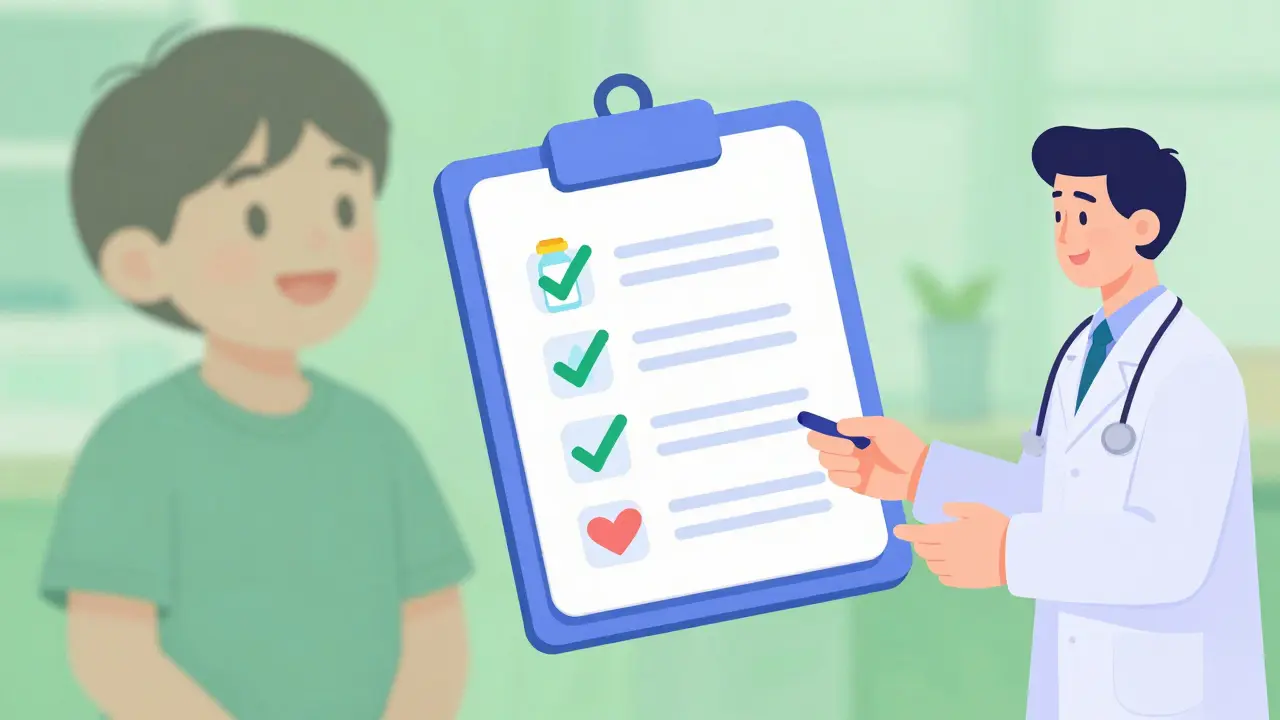
The Pre-Op Checklist: Ensuring Nothing is Missed
To avoid the 17% medication error rate seen in some facilities, it helps to be your child's strongest advocate. Use this checklist during your pre-admission appointment:
- Medication Review: Did I tell the doctor about every supplement and prescription my child takes?
- Airway History: Does my child snore loudly or have symptoms of sleep apnea? (This is vital for the anesthesiologist to know).
- Allergy Check: Are there any known allergies to medications or latex?
- Fasting Plan: Do I have a clear timeline for when the last bottle or snack happens?
- Special Needs: Have I mentioned my child's sensory needs or behavioral challenges?
What happens if my child accidentally eats something before surgery?
You must tell the surgical team immediately. Do not try to hide it to avoid a delay. Eating or drinking outside the guidelines increases the risk of vomiting into the lungs during anesthesia, which is a life-threatening complication. The doctor will either delay the procedure by a few hours or reschedule it for your child's safety.
Will the pre-op sedative make my child act "drunk" or confused?
Yes, medications like midazolam can cause drowsiness, slurred speech, and a lack of coordination. This is normal and expected. Your child should be closely supervised as they will be unsteady on their feet and may be emotionally labile (switching from happy to upset quickly).
Is it safe to give a child sedatives before a minor procedure?
When administered by professionals, yes. Pre-op sedation reduces the psychological trauma of the procedure and prevents the child from fighting the medical team, which actually makes the procedure safer and faster. The risks are managed through continuous pulse oximetry and blood pressure monitoring.
Can I give my child their usual vitamins on the morning of the procedure?
Generally, most vitamins can be stopped for one day. However, some supplements can interfere with blood clotting or interact with anesthesia. Always run your list of supplements by the anesthesiologist during the pre-op screening.
Why can't my child have orange juice if they can have apple juice?
It comes down to the "clear liquid" definition. Clear liquids are those that are transparent and leave no residue in the stomach. Orange juice is opaque and contains particulates (pulp), which slow down gastric emptying and increase the risk of aspiration.
Next Steps for Parents
If your child's procedure is coming up, start your preparation 24 hours in advance. Set an alarm for the last "solid food" window and prepare a list of all current medications and their dosages. If you have a child with high anxiety or a complex medical history, request a pre-procedure phone call with the anesthesia team to confirm the specific medication plan. This ensures that when you arrive at the hospital, the focus is on comforting your child rather than sorting out paperwork and dosing errors.


they just want to sedate them to keep them quiet and compliant with the system