
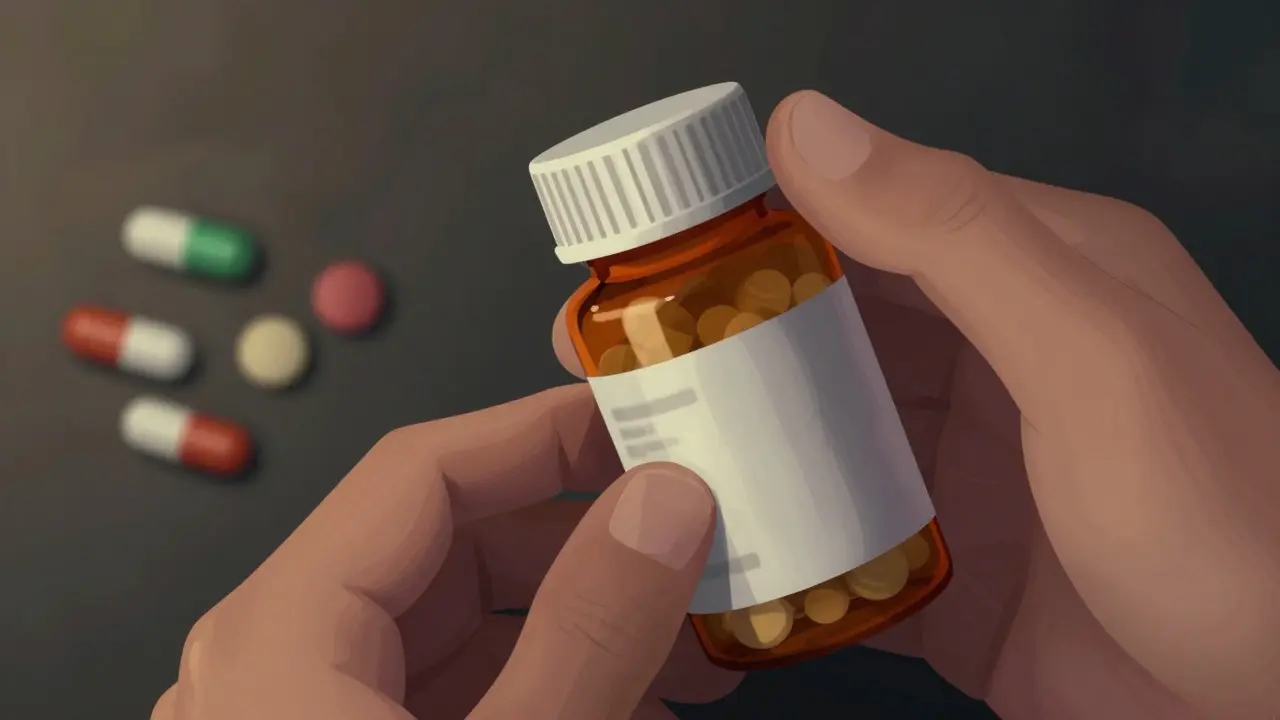
Imagine opening a bottle of medication you’ve taken for years, only to notice the seal looks slightly off. The pills inside are a different shade than usual. Your stomach churns with doubt: is this real? You aren’t alone. Every year, millions of people encounter counterfeit medications, which are deliberately and fraudulently mislabeled medicines created to imitate authentic products. These aren't just minor quality issues; they can contain toxic substances, wrong dosages, or no active ingredient at all. Reporting them isn't just about protecting yourself-it’s about stopping dangerous products from reaching others.
If you suspect your medication is fake or tampered with, acting quickly matters. Regulatory agencies like the FDA rely on public reports to identify bad batches before they cause widespread harm. This guide walks you through exactly what to look for, how to preserve evidence, and where to submit your report depending on who you are-a patient, a pharmacist, or a supply chain worker.
Spotting the Red Flags: What Does Fake Medicine Look Like?
Before you report anything, you need to be sure something is wrong. Counterfeiters are getting better, but they often miss small details. Here is what to check:
- Packaging irregularities: Look for spelling errors, blurry printing, or logos that don’t match the brand. If the box feels flimsy or the colors are dull, take note.
- Tamper-evident features: Check the seal on the bottle. Is it broken? Does the cap click when you twist it? Many legitimate manufacturers use specific security strips or holograms.
- Pill appearance: Compare the pill to an old prescription if you have one. Differences in color, shape, size, or taste are major warning signs. Some fakes crumble easily or smell chemical.
- Therapeutic failure: If you’ve been taking a drug consistently and suddenly see no effect-or get unexpected side effects-the product might be substandard.
Dr. Paul Newton, a Professor of Tropical Medicine at Oxford University, notes that reports including high-resolution images of packaging increase investigation success rates by 68%. So, if you spot any of these issues, grab your phone and take clear photos before doing anything else.
Step 1: Preserve the Evidence (Don’t Touch It More Than Necessary)
Your first instinct might be to throw the suspicious meds away. Don’t. That evidence is crucial for investigators. However, you also don’t want to handle it too much, which could contaminate it or expose you further.
- Keep the product intact: Leave the pills in their original container. Do not remove them unless necessary for a photo.
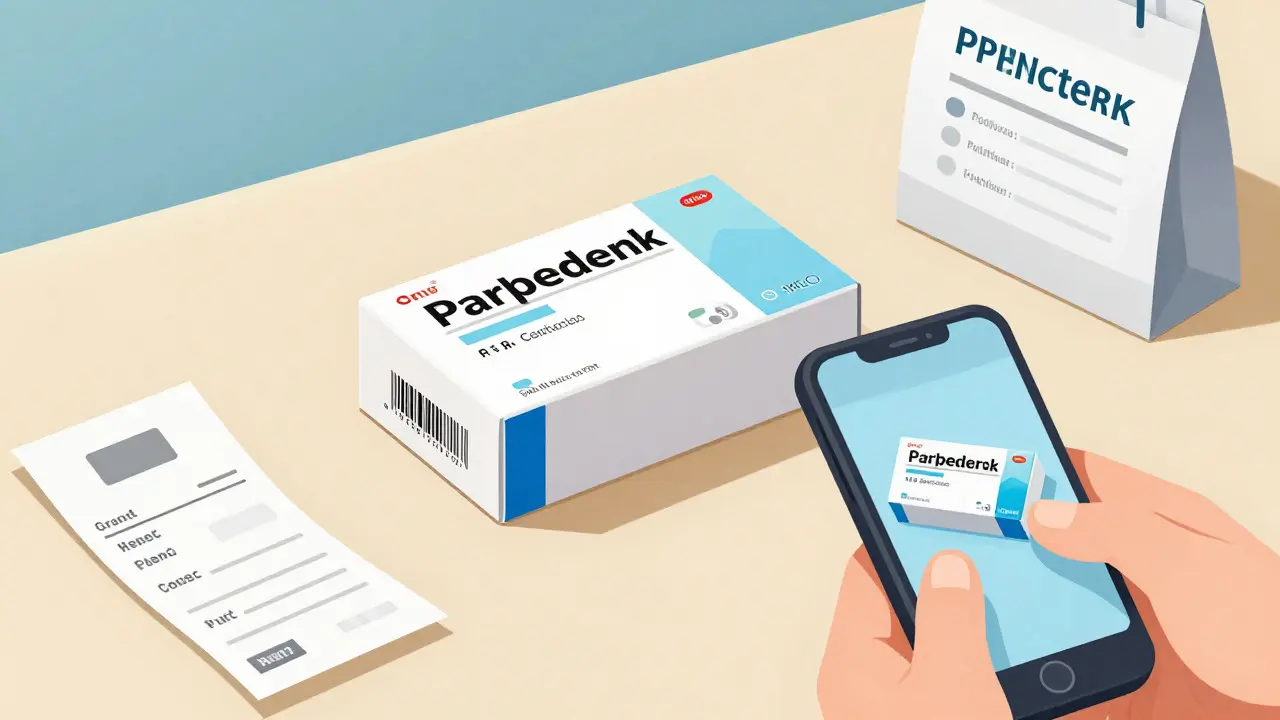
- Save all documentation: Keep the receipt, the pharmacy bag, and any online order confirmations. If you bought it online, screenshot the website URL and the seller’s profile.
- Note the batch number: Look for the lot number or serial number printed on the box or bottle. This helps regulators track exactly where the product came from.
- Record expiration dates: Write down the expiry date visible on the packaging.
If you are a healthcare professional, the stakes are higher. The American Pharmacists Association advises pharmacists not to dispense a suspected forged prescription. Instead, contact local law enforcement immediately and document everything.
Step 2: Choose the Right Reporting Channel
Where you report depends largely on where you live and who you are. In the United States, the primary system is the FDA MedWatch program, established in 1993 to collect reports of serious adverse events, product quality problems, and suspected counterfeit products. But there are other options depending on the situation.
| Channel | Best For | Key Requirement | Response Time Expectation |
|---|---|---|---|
| FDA MedWatch (Online Form 3500) | Consumers & Healthcare Pros | Product name, batch number, description of issue | Average 14 days for initial acknowledgment |
| FDA Form 3911 (CDER NextGen) | Supply Chain Participants (Pharmacies, Distributors) | Mandatory within 24 hours of identifying illegitimate product | Immediate regulatory action required |
| DEA RxAbuse Tip Line | Suspicious Pharmaceutical Activities/Theft | Anonymous reporting via phone or web | Varies; used for law enforcement tips |
| Manufacturer Direct Lines | Specific Brand Issues | Contact info usually on package insert | Often faster for recalls |
For Consumers: Use MedWatch
You can file a report online using the FDA’s MedWatch form. It takes about 12-15 minutes to complete. You’ll need to describe the problem clearly. Did the pill dissolve instantly? Was the box crushed? Include those details. You can also call 1-800-FDA-1088 if you prefer speaking to someone.
Be aware that consumer satisfaction with follow-up communication is low-only 56% of consumers reported being satisfied in a 2022 survey. The main complaint was a lack of updates. Don’t let this discourage you; your report still triggers internal alerts even if you don’t hear back personally.
For Pharmacists and Supply Chain Workers: The 24-Hour Rule
If you work in the industry, the rules are stricter. Under the Drug Supply Chain Security Act (DSCSA), fully implemented in November 2023, manufacturers, repackagers, wholesale distributors, and dispensers must notify the FDA within 24 hours after determining a product is illegitimate.
You should submit this notification through the 3911 platform in CDER NextGen. If that system is down, email Form FDA 3911 to [email protected]. Failure to report within this window can result in warning letters; in 2022, 17 such letters were issued for late reporting among distributors.
For Controlled Substances: Contact the DEA
If the suspicious medication involves controlled substances like opioids or stimulants, or if you suspect theft, use the DEA’s RxAbuse Tip Line. Established in February 2020, it allows anonymous reporting via phone at (571) 324-6499 or through their online tool. Evangela Dortch, a DEA Diversion Program Manager, noted that 73% of successful investigations in her region originated from public tips.
What Happens After You Report?
Once you submit a report, it enters a multi-layered review process. The FDA estimates that timely reporting has contributed to the removal of over 2,300 counterfeit drug products from U.S. markets between 2015 and 2022. Reports submitted within 24 hours lead to product removal 4.2 times faster than those submitted after 72 hours.
Investigators will cross-reference your batch numbers with known good records. They may reach out to the manufacturer for verification. If a pattern emerges-say, multiple reports from different states about the same batch of insulin-they can issue a recall. In one documented case on Reddit, a pharmacist’s report led to an FDA investigation that identified 142 affected lots within 11 days.
However, be prepared for silence. As mentioned, many consumers never receive a personal response. The system is designed for data aggregation, not individual customer service. Your role is to provide the signal; the agency handles the noise.
International Reporting Options
If you are outside the United States, similar systems exist. In Canada, pharmacists must report prescription forgery to provincial bodies like the Ontario Drug Benefit program and controlled substance theft to Health Canada’s Office of Controlled Substances within 10 days. Globally, the World Health Organization operates the Global Surveillance and Monitoring System, which has documented 1,500 cases across 141 countries as of late 2022. You can also report directly to pharmaceutical manufacturers like Novo Nordisk or Eli Lilly, who have dedicated anti-counterfeiting teams.
Pro Tips for Effective Reporting
To make your report count, follow these expert-backed tips:
- Be specific: Vague complaints like "this doesn't work" are less helpful than "the tablet disintegrated into powder upon touching water."
- Include visuals: Attach photos of the packaging, the pill, and any text. Ensure the lighting is good and the text is readable.
- Report early: Speed saves lives. The sooner the data reaches regulators, the quicker they can pull products from shelves.
- Check online pharmacies: The National Association of Boards of Pharmacy found that 96% of online pharmacies reviewed in 2022 were non-compliant with U.S. laws. If you buy online, verify the site has a valid VIPPS seal.
Reporting counterfeit meds is a civic duty that protects public health. By knowing the red flags and following the correct channels, you help keep dangerous products off the market.
How long does it take for the FDA to respond to a MedWatch report?
The FDA does not typically send personalized responses to every consumer report. While the average time to acknowledge a report is around 14 days, many users report receiving no direct feedback. However, your report is still processed and added to the database for trend analysis and potential recalls.
Do I need to keep the fake medication after reporting it?
Yes, you should keep the medication and its packaging until the investigation is resolved or advised otherwise. Investigators may need physical samples to analyze the contents. Store it safely away from children and pets, but do not discard it prematurely.
What is the difference between substandard and falsified medicines?
Substandard medicines are genuine products that fail to meet quality specifications due to manufacturing errors. Falsified (or counterfeit) medicines are deliberately and fraudulently mislabeled with the intent to deceive. Both are dangerous, but falsified meds are a criminal act.
Can I report anonymously?
Yes. The FDA MedWatch form allows anonymous submissions. The DEA RxAbuse Tip Line also accepts anonymous tips via phone or web. Providing contact information can help investigators ask follow-up questions, but it is not mandatory.
What should a pharmacist do if they suspect a forged prescription?
A pharmacist should not dispense the medication. They should immediately contact local law enforcement and document the incident. In some jurisdictions, like Ontario, Canada, they must also report the forgery to the provincial drug benefit program and Health Canada if controlled substances are involved.
