
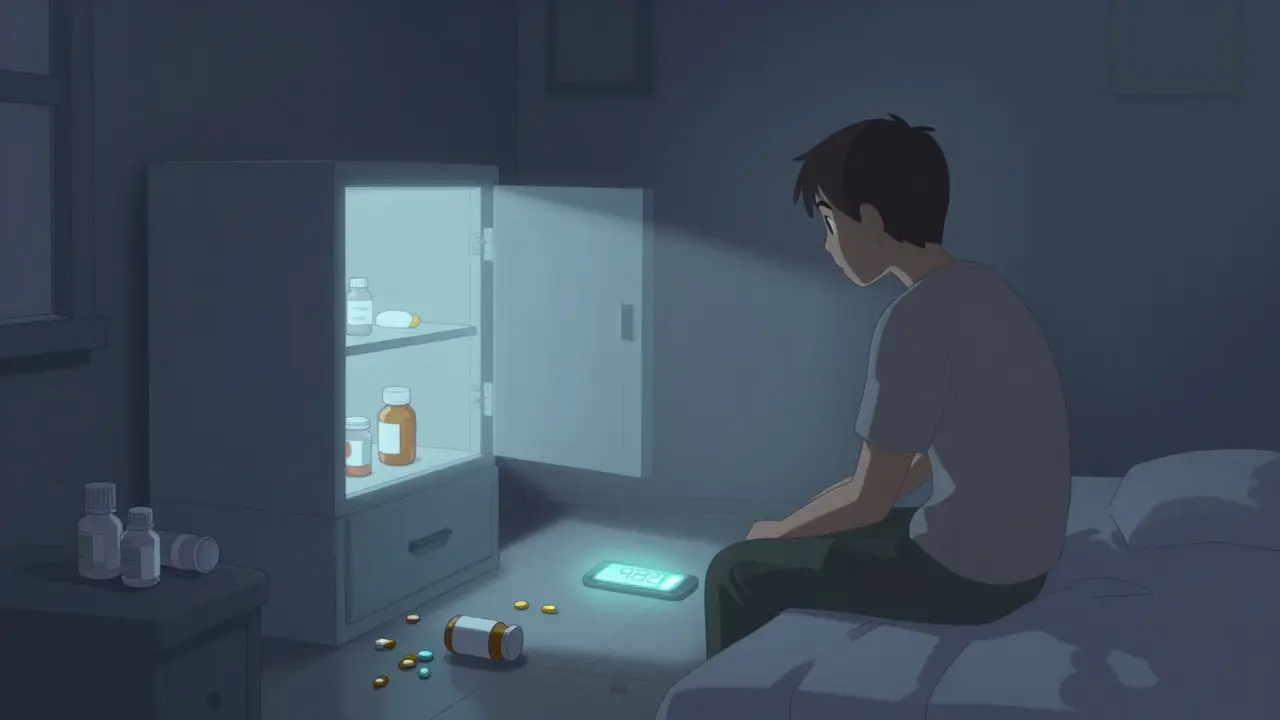
When someone takes too many pills on purpose, it’s not just a medical emergency-it’s a cry for help. Intentional overdose is one of the most common ways people try to end their lives, especially when they feel trapped, hopeless, or alone. It’s not about being weak or dramatic. It’s about pain so deep that death feels like the only way out. And yet, in the moment, most people don’t actually want to die-they just want the pain to stop.
Why Intentional Overdose Happens
Prescription painkillers, antidepressants, sleep aids, even common pain relievers like acetaminophen-these are the substances most often used in intentional overdoses. Why? Because they’re easy to get. A teenager finds their parent’s leftover oxycodone. An adult with chronic depression hoards their SSRIs after a bad day. Someone in rural Australia, with no therapist nearby, reaches for the bottle in the medicine cabinet because it’s the only thing they think they can control. The CDC tracks these deaths using specific codes: X60-X64 for intentional self-harm. In 2023, overdose accounted for about 15-20% of all suicide deaths in the U.S. That might sound low compared to firearms, but here’s the thing: overdose attempts are far more common. More people try this method than any other. And while the overall number of overdose deaths dropped nearly 27% from 2023 to 2024, experts warn that this drop is mostly from accidental overdoses tied to illicit drugs-not intentional suicide attempts. Mental Health America’s 2025 report found that over 14 million adults in the U.S. had serious thoughts of suicide in the past year. Among teens, 10.1% reported serious suicidal thoughts in 2024. And for many, the path from thinking about it to acting on it is shockingly short. One study showed that 75% of people who attempted suicide by overdose made the decision within an hour. That’s why access to immediate help matters more than long-term therapy in these moments.What Makes Overdose Different
People often think of overdose as a quick, painless way out. It’s not. Acetaminophen overdoses can cause liver failure over days. Opioid overdoses can lead to brain damage from lack of oxygen. Even if you survive, you might need a liver transplant. Or lose your kidneys. Or live with chronic pain from nerve damage. And then there’s the guilt. The shame. The fear of being judged. Many people who survive an intentional overdose say the hardest part isn’t the physical recovery-it’s the silence that follows. Friends don’t know what to say. Family members avoid the topic. Doctors move on to the next patient. No one asks, “What happened?” That’s why crisis resources aren’t just helpful-they’re lifesaving. They’re the first, and sometimes only, connection to someone who understands.988: The Lifeline That Works
In July 2022, the 988 Suicide & Crisis Lifeline launched across the U.S. and Canada. It’s simple: dial 988, and you’re connected to a trained counselor-24/7, free, confidential. No waiting for an appointment. No insurance forms. Just a person on the other end who won’t hang up. In 2024, 988 handled 4.7 million contacts. That’s a 32% jump from the year before. More people are using it. More people are surviving because of it. One Reddit user, ‘AnxietySurvivor89’, wrote: “I called 988 after swallowing too many pills. The counselor stayed on the line for 18 minutes until EMS arrived. That’s the only reason I’m here.” But here’s the problem: staffing is falling. SAMHSA data shows wait times jumped from 2.4 minutes in 2022 to 5.7 minutes in 2024. That’s 3 extra minutes of panic for someone who’s already in crisis. And in some states, counselors are quitting because they’re underpaid, overworked, and under-supported.
Other Crisis Resources You Can Use Right Now
If you’re not ready to call, try texting. The Crisis Text Line (text HOME to 741741) responded to 3.2 million conversations in 2024, with an average response time of 37 seconds. It’s anonymous. It’s fast. And it works. SAMHSA’s National Helpline (1-800-662-4357) offers free, confidential referrals to local treatment centers. They don’t just help with drugs-they connect people to mental health care, housing, even transportation. For young people, it’s harder. Many states require parental consent for minors to get mental health treatment. That means a 16-year-old with suicidal thoughts might not be able to get help without telling a parent they’re not ready to talk to. Schools need to step up. So do pediatricians. But right now, only 52.1% of adults with mental illness got any treatment last year. That number is worse for teens.The Bigger Picture: Why This Is Getting Worse
We’re seeing progress. Overdose deaths dropped by over 27,000 in one year. That’s more than 70 lives saved every day. But experts are terrified this progress will vanish. The proposed $1.07 billion cut to SAMHSA’s 2026 budget could shut down hundreds of crisis centers. Rural areas, where suicide rates are 25% higher than in cities, could lose their only lifeline. Mental health providers are already stretched thin-one provider for every 320 people at risk. The standard for safe care is one provider for every 250. We’re already behind. And the people who need help the most? Black and American Indian/Alaska Native communities face the highest rates of fatal overdose. But they’re also the least likely to get care. Systemic barriers-racism, poverty, lack of transportation, distrust in medical systems-keep them from reaching help before it’s too late.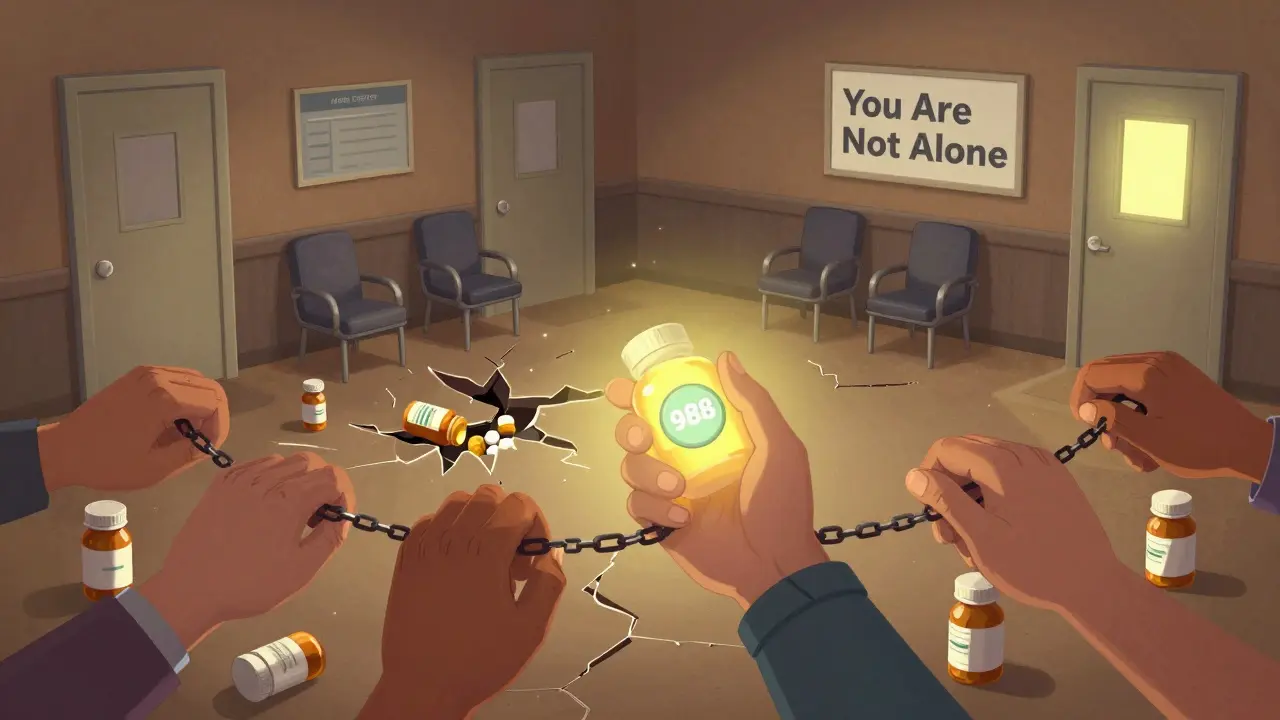
What You Can Do
If you’re struggling: call 988. Text HOME to 741741. Go to a hospital. Call your doctor. Don’t wait until you’re at the edge. You don’t have to be “bad enough” to deserve help. You don’t have to be suicidal to be in pain. And pain doesn’t have to be permanent. If you know someone who might be struggling: ask. Say it out loud: “Are you thinking about killing yourself?” It doesn’t plant the idea. It opens the door. Listen without judgment. Don’t try to fix it. Just be there. Walk them to the phone. Stay with them until help arrives. If you’re a parent: lock up medications. Don’t assume your teen doesn’t know how to access them. Keep the conversation open. Say, “I’m here if you ever feel like you can’t go on.” That one sentence can be the difference between life and death. If you’re a provider, a teacher, a friend: push for better funding. Support local crisis centers. Advocate for mental health parity in insurance. Demand better training for frontline workers. This isn’t someone else’s problem. It’s ours.What’s Next?
The data shows we can turn this around. We’ve done it before. When states increased minimum wage, suicide attempts dropped by 15.4%. When schools implemented peer support programs, teen suicide attempts fell by 22%. When crisis lines were properly funded, people lived. But progress isn’t automatic. It requires money. It requires people. It requires us to care enough to act. Right now, you have a choice. You can look away. Or you can reach out. To yourself. To someone else. To the system. Because the next life saved might be yours.What should I do if someone I know is threatening to overdose?
Don’t leave them alone. Call 988 or take them to the nearest emergency room. If they’re unconscious or having trouble breathing, call 911 immediately. Remove any pills or substances from their reach, but don’t try to make them vomit or give them anything to drink. Stay calm, stay with them, and let the professionals handle the medical side. Your presence matters more than you know.
Is it true that overdosing isn’t always fatal?
Yes. Many people survive intentional overdoses, but survival doesn’t mean they’re unharmed. Acetaminophen overdoses can cause permanent liver damage. Opioids can lead to brain injury from lack of oxygen. Even if you survive, you might need long-term medical care, rehab, or surgery. And the emotional toll-guilt, shame, fear of being judged-can be just as heavy as the physical damage.
Can I get help without my parents knowing if I’m under 18?
In many places, minors can access crisis counseling without parental consent. The 988 Lifeline and Crisis Text Line are confidential. Hospitals can treat life-threatening emergencies without informing parents. But for ongoing mental health treatment, laws vary by state. If you’re unsure, call 988 or SAMHSA’s helpline at 1-800-662-4357-they can tell you your rights and help you find confidential care.
Why did overdose deaths drop so much in 2024?
The drop was mostly due to fewer accidental overdoses from illicit drugs like fentanyl, thanks to better access to naloxone, harm reduction programs, and safer supply initiatives. But intentional overdoses-suicide attempts-may not have dropped as much. Experts are worried the overall decline could mask rising suicide rates, especially if funding for mental health services gets cut. We’re seeing progress, but it’s fragile.
How can I support someone who’s survived an overdose?
Don’t treat them like a crisis that’s over. Ask how they’re feeling-not just physically, but emotionally. Say, “I’m here,” not “I’m glad you’re okay.” Avoid phrases like “You scared me” or “Don’t do that again.” They already feel guilty. Instead, help them connect with therapy, support groups, or crisis services. Offer to go with them. Small, consistent support is what rebuilds hope.
Are there free mental health resources I can access right now?
Yes. 988 (call or text) and Crisis Text Line (text HOME to 741741) are free and available 24/7. SAMHSA’s National Helpline (1-800-662-4357) connects you to free or low-cost local treatment. Many community health centers offer sliding-scale therapy. Online platforms like Open Path Collective provide therapy for $30-$60 per session. You don’t need insurance. You don’t need to be “in crisis.” You just need to reach out.


If you're reading this and feeling alone, please know you're not. 988 is real, it works, and people are waiting to hear you. You don't have to be at your worst to deserve help. Just reach out. One text. One call. That's all it takes to start healing.
I've been there. I called 988 on a Tuesday night. They stayed on the line until I stopped shaking. No judgment. No rush. Just someone who cared. You matter more than you know.