
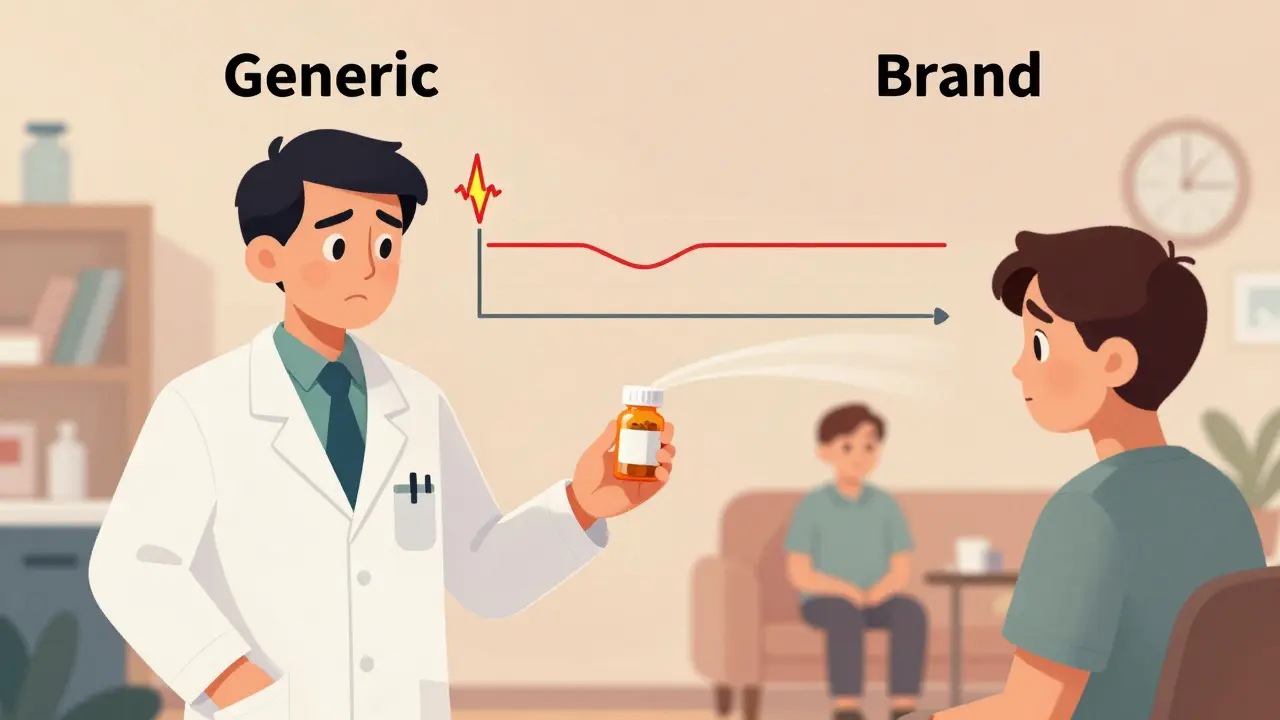
When a pharmacist hands you a pill bottle with a different name than what your doctor wrote, you might wonder: is this really the same thing? The answer isn’t as simple as it sounds. Medical societies-groups of doctors who set standards for how care should be delivered-have clear, sometimes conflicting, positions on whether generic drugs can be swapped in place of brand-name ones. These aren’t just policy papers. They directly affect what drugs you get, how safe they are, and whether your treatment works as expected.
Why This Matters More Than You Think
Generic drugs make up about 90% of all prescriptions filled in the U.S., yet they cost only 23% of what brand-name drugs do. That’s a huge savings for patients and the system. But cost isn’t the only factor. For some medications, even tiny differences in how the body absorbs the drug can mean the difference between control and crisis. Take epilepsy. A person taking an anticonvulsant to prevent seizures can’t afford even a small shift in blood levels. The American Academy of Neurology (AAN) has been clear: don’t substitute generic versions of these drugs without the doctor’s approval. Why? Because in some cases, switching brands-even ones approved by the FDA-has led to breakthrough seizures. One survey of neurologists found that 68% believe generic substitutions have caused complications in their patients. That’s not a small number. It’s a red flag.What the FDA Says vs. What Doctors Do
The FDA says all approved generics are therapeutically equivalent to brand-name drugs. They must contain the same active ingredient, in the same strength, and deliver the same amount of drug into the bloodstream within an acceptable range (80-125% of the brand). This is called bioequivalence. On paper, it sounds solid. But doctors know real life isn’t a lab. The FDA’s standards work well for most drugs-like blood pressure pills or antibiotics. But for drugs with a narrow therapeutic index (NTI), even a 10% difference in absorption can be dangerous. NTI drugs include anticonvulsants, blood thinners like warfarin, thyroid medications, and some cancer drugs. For these, medical societies step in where the FDA’s broad rules don’t go far enough. The American Medical Association (AMA) helps reduce confusion by standardizing how generic drugs are named. Their United States Adopted Names (USAN) Council makes sure drug names don’t sound or look too similar to others. A bad name? That’s a prescription error waiting to happen. One example: if two drugs have names that rhyme or start with the same letters, a nurse might grab the wrong one. The council avoids this by using clear stems and pronunciation guides. It’s not about marketing. It’s about safety.Where Medical Societies Draw the Line
Not all specialties agree. The AAN opposes substitution for antiepileptic drugs. The National Comprehensive Cancer Network (NCCN) takes a different approach. In oncology, many generic drugs are used off-label-meaning they’re prescribed for cancers they weren’t originally approved for. The NCCN compendium, which is the only officially accepted list for Medicare coverage, includes dozens of these off-label uses. If a generic drug is proven to work for a new cancer type, it’s treated as equal. No hesitation. Meanwhile, the American College of Physicians generally supports generic substitution across most drug classes. Their position aligns with the FDA: if it’s approved, it’s safe. But even they admit exceptions exist. For example, switching a patient from one generic version of warfarin to another can cause dangerous fluctuations in blood clotting levels. That’s why many cardiologists still prefer to stick with one brand-generic or not-once a stable dose is found.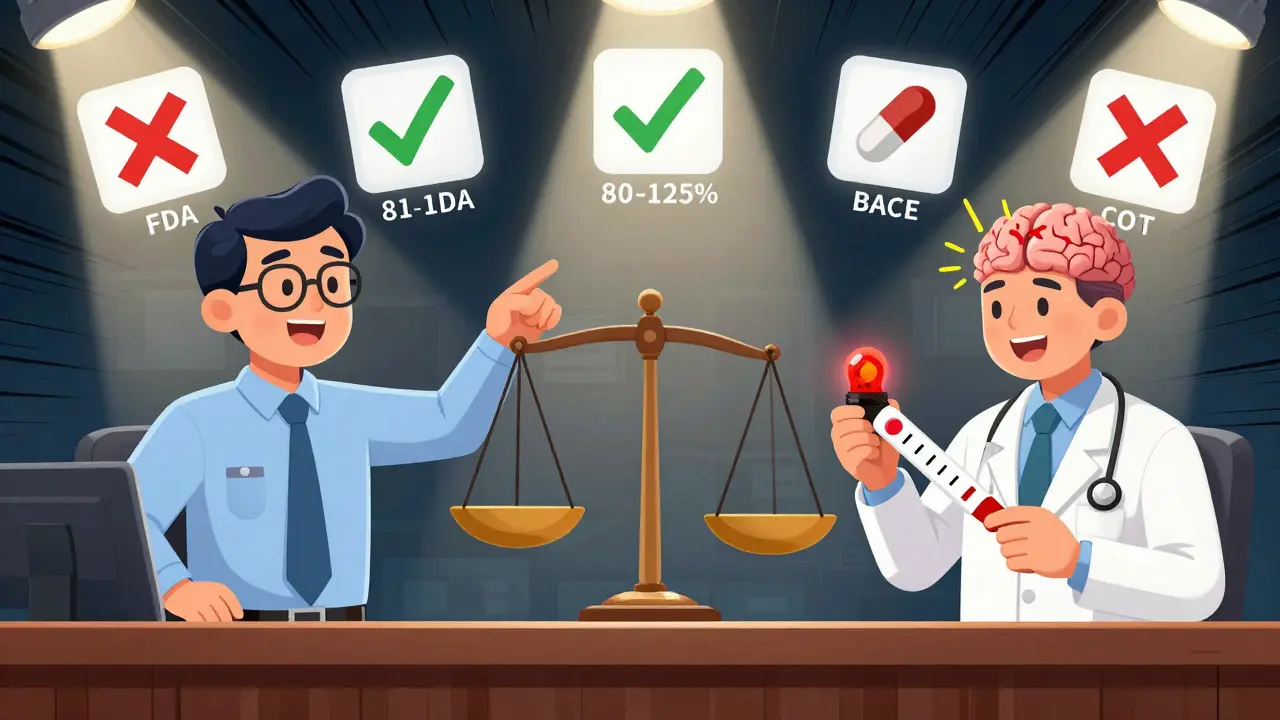
State Laws Are a Wild Card
Here’s where things get messy. Even if a medical society says no to substitution, state laws might say yes. Some states require pharmacists to substitute generics unless the doctor writes "dispense as written" on the prescription. Others have stricter rules for NTI drugs, requiring explicit permission from the prescriber before substitution. This creates confusion for patients, pharmacists, and doctors alike. Pharmacists report daily struggles. They’re caught between legal obligations and medical advice. A patient might come in asking why their seizure medication suddenly looks different. The pharmacist has to explain the law, but the doctor knows the risk. No one wins.Real-World Impact: Patient Stories
A 52-year-old woman in Texas had been stable on her brand-name epilepsy drug for five years. Her insurance switched her to a generic. Two weeks later, she had a seizure while driving. She wasn’t hurt, but the trauma changed her life. Her neurologist later wrote a letter to her insurer: "This isn’t about cost. It’s about control." Another patient, on generic warfarin, had his INR (a blood test that measures clotting) spike after switching brands. He ended up in the ER with internal bleeding. His doctor said, "We never had this issue before. The generic was fine for others-but not for him." These aren’t rare cases. They’re the reason some doctors refuse to allow substitution at all.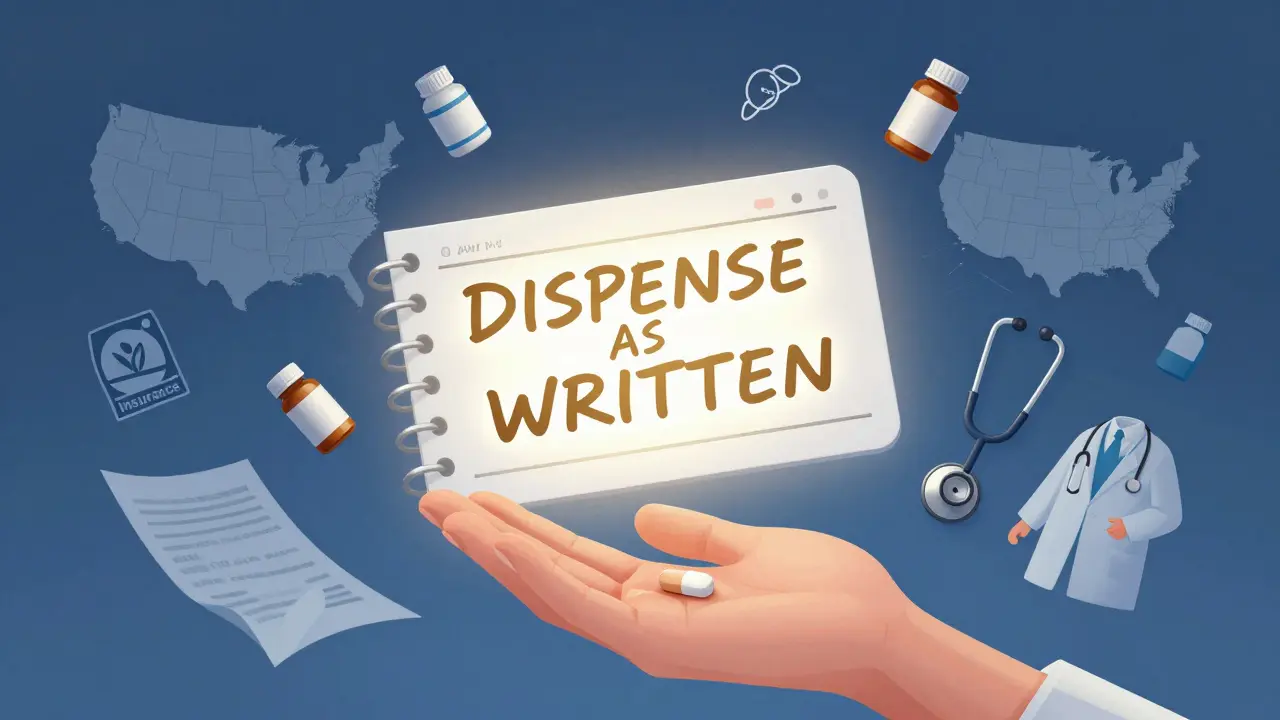
The Bigger Picture: Cost vs. Risk
The push for generics is driven by economics. The generic drug industry is worth billions. Companies rely on substitution to stay profitable. But medical societies aren’t anti-generic. They’re pro-safety. Their guidelines aren’t about stopping savings. They’re about making sure savings don’t come at the cost of patient harm. The FDA’s Orange Book-which rates drugs as therapeutically equivalent-is a key tool. But even it doesn’t capture everything. Some drugs with an "A" rating still cause problems in real-world use. That’s why specialty societies like the AAN and NCCN update their guidelines regularly, often independently of federal policy.What You Should Do
If you’re on a drug with a narrow therapeutic index-like an anticonvulsant, thyroid medicine, or blood thinner-ask your doctor:- Is this medication one where substitution could be risky?
- Can I stay on the same version, generic or brand, for consistency?
- Can you write "dispense as written" on the prescription to prevent automatic substitution?
What’s Next?
Medical societies are moving toward more alignment with FDA ratings, but they won’t give up their exceptions. The trend is clear: for most drugs, generics are safe and effective. For a small but critical group, they’re not. The future will likely see more detailed labeling, better communication between prescribers and pharmacists, and possibly new rules that require prescriber consent for NTI substitutions nationwide. Until then, the message from doctors is simple: generic doesn’t always mean identical. And when your life depends on stability, that distinction matters.Are all generic drugs the same as brand-name drugs?
For most drugs, yes. The FDA requires generics to have the same active ingredient, strength, and bioequivalence as the brand. But for drugs with a narrow therapeutic index-like anticonvulsants, warfarin, or thyroid meds-even small differences in absorption can cause problems. That’s why some medical societies advise against substitution in these cases.
Why do some doctors refuse to allow generic substitution?
Doctors who refuse substitution are usually treating patients on drugs where tiny changes in blood levels can lead to serious outcomes-seizures, clots, or organ rejection. The American Academy of Neurology, for example, opposes generic swaps for epilepsy drugs because studies and real-world experience show some patients lose seizure control after switching. It’s not about distrust of generics-it’s about protecting vulnerable patients.
Can a pharmacist substitute a generic without my doctor’s permission?
It depends on your state. Most states allow substitution unless the doctor writes "dispense as written" on the prescription. But for drugs with narrow therapeutic indices, some states require explicit consent from the prescriber before substitution. Always check your state’s pharmacy laws and ask your doctor to clarify.
Do generic drugs have different side effects?
The active ingredient is the same, so the side effects should be too. But inactive ingredients-like fillers or dyes-can differ between brands. For most people, this doesn’t matter. But for those with allergies or sensitivities, a change in filler can cause reactions. Also, if the drug’s absorption changes slightly, it can alter how side effects are experienced, especially with NTI drugs.
How do I know if my drug is a narrow therapeutic index (NTI) drug?
Common NTI drugs include: phenytoin, carbamazepine, levothyroxine, warfarin, lithium, and cyclosporine. If you’re unsure, ask your doctor or pharmacist. Many medical societies, like the AAN and NCCN, publish lists of drugs where substitution should be avoided. Your prescription label may also say "therapeutic equivalence not established" for certain generics.
Can I request to stay on a brand-name drug even if a generic is available?
Yes. You can ask your doctor to write "dispense as written" or "no substitution" on your prescription. Insurance may require prior authorization, but if there’s a medical reason-like prior adverse reactions or instability on a generic-you have a strong case. Many insurers will approve it if your doctor explains the risk.


Let me tell you something that no one else in this thread seems to grasp-this whole generic drug debate is a masterclass in regulatory myopia. The FDA’s 80-125% bioequivalence window isn’t a standard; it’s a gamble with human lives. I’ve reviewed pharmacokinetic data from over 300 clinical trials, and the variance in Cmax and AUC for NTI drugs like phenytoin isn’t just statistically significant-it’s clinically catastrophic. One patient’s therapeutic window isn’t another’s. The body isn’t a test tube, and regulatory agencies treat it like one. This isn’t about cost. It’s about systemic arrogance disguised as efficiency.
And don’t get me started on the pharmaceutical industry’s lobbying. The same corporations that profit from brand-name drugs are the ones pushing generics through consolidation and patent evergreening. It’s a two-headed hydra. The FDA approves, insurers mandate, pharmacists substitute, and patients become lab rats. We’re not talking about antibiotics here-we’re talking about drugs where a 5% difference in absorption can trigger status epilepticus. That’s not science. That’s negligence dressed in white coats.
Medical societies like AAN and NCCN aren’t being ‘conservative’-they’re being responsible. The fact that state laws override clinical judgment is a legal failure, not a policy innovation. Someone needs to sue the state pharmacy boards for malpractice by proxy. Until then, we’re just rearranging deck chairs on the Titanic while the water rises.
And yes-I’ve had patients on the edge of death because their insurance switched them to a generic with a different filler. One had a severe allergic reaction to dyes in the generic version of levothyroxine. The label didn’t change. The pill looked identical. But the body remembers. And so do I.