
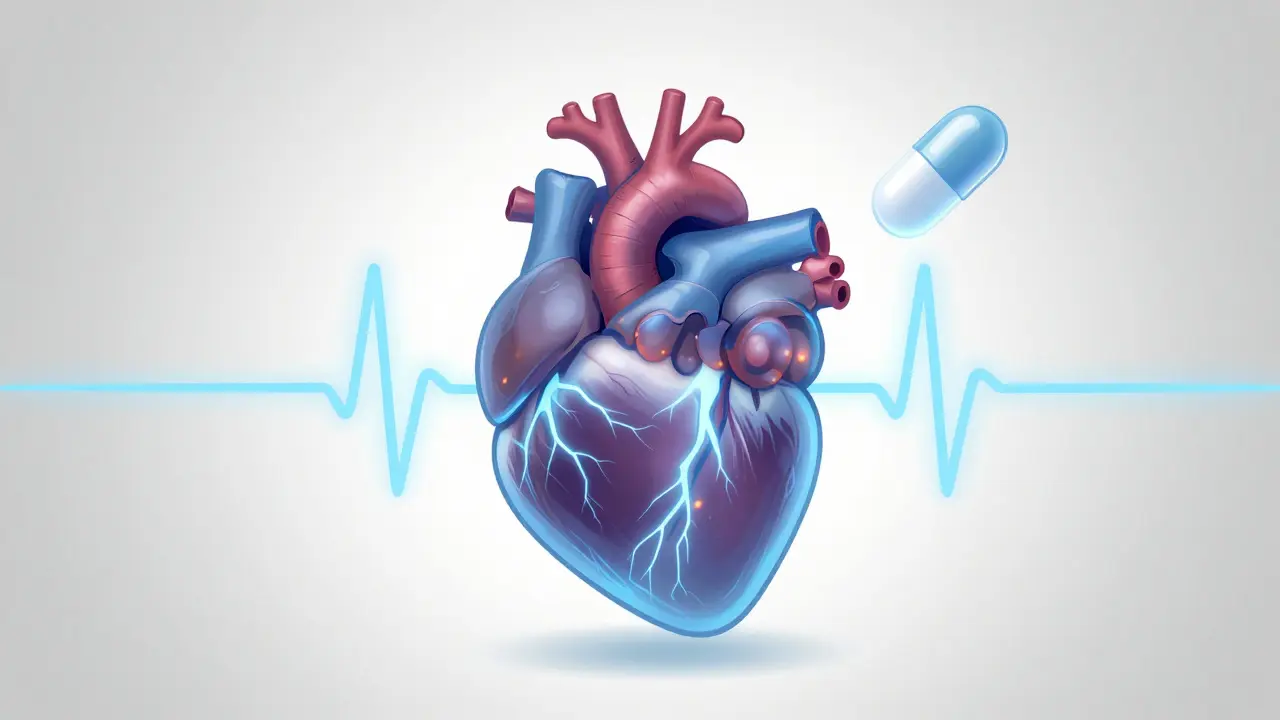
QT Prolongation Risk Calculator for Methadone Therapy
Imagine a medication that saves lives by treating opioid dependence but quietly puts your heart at risk. Methadone is a long-acting synthetic opioid agonist widely used for pain management and addiction treatment. While it has been a cornerstone of recovery since the 1960s, it carries a specific, serious warning: it can disrupt the electrical signals in your heart. This disruption is known as QT prolongation. When you combine methadone with other drugs that have a similar effect, the risk of a dangerous heart rhythm called torsades de pointes spikes significantly.
This isn't just theoretical. Regulatory bodies like the U.S. Food and Drug Administration (FDA) issued a black box warning back in 2006 after unexpected deaths were linked to this exact issue. Today, understanding how these drugs interact is critical for patient safety. We need to look at why this happens, which drugs make it worse, and how doctors monitor for these risks.
How Methadone Changes Heart Rhythm
To understand the risk, you first need to understand what methadone does to your heart cells. Your heart beats because of electrical impulses. One specific part of this process involves potassium channels, which help the heart muscle relax after a beat. Methadone blocks a specific channel called the hERG channel is a cardiac potassium channel responsible for repolarization. When this channel is blocked, the heart takes longer to reset for the next beat.
On an electrocardiogram (ECG), this delay shows up as a longer QT interval. A normal QT interval is corrected for heart rate (QTc) and should be 430 milliseconds or less for men and 450 milliseconds or less for women. When methadone blocks the hERG channel, that interval stretches. Recent research from 2022 added a new layer to this understanding. Scientists found that methadone also blocks another channel called the inward rectifier potassium current (IK1). This dual-channel blockade makes methadone particularly potent at slowing down heart repolarization compared to other drugs that only affect one channel.
Why does this matter? When the heart takes too long to reset, it becomes unstable. This instability can trigger a specific type of ventricular tachycardia known as torsades de pointes (TdP). This is a life-threatening arrhythmia that can lead to sudden cardiac death if not treated immediately. The risk isn't uniform; it increases as the dose of methadone goes up. Doses above 100 mg per day are where the danger becomes substantially more prevalent, with studies showing significant QTc prolongation in a large percentage of patients at these levels.
The Danger of Additive Effects
Here is where things get tricky. Many patients on methadone are not taking it alone. They might be prescribed antibiotics for an infection, antidepressants for mental health, or antipsychotics for co-occurring disorders. If these other medications also block the hERG channel, the effects add up. This is called an additive effect.
Think of it like filling a glass with water. Methadone might fill the glass halfway. Another drug might fill it another quarter of the way. Together, they overflow. When multiple QT-prolonging agents are used together, the likelihood of TdP increases dramatically. The FDA specifically highlighted this interaction risk in their safety alerts. It's not just about the methadone; it's about the cocktail of medications a patient is taking.
For example, a patient might be stable on methadone for years. Then, they get a respiratory infection and are prescribed a common antibiotic like erythromycin. Erythromycin is a macrolide, a class of drugs known to prolong the QT interval. Suddenly, the patient's heart is under double the stress. There are documented cases where patients developed persistent QT prolongation and TdP while using methadone combined with other substances, even short-acting ones like cocaine. This shows that even temporary exposure to another QT-prolonging agent can create a dangerous synergy.
High-Risk Medications to Watch
Not all drugs are created equal when it comes to heart risk. Some categories of medication are frequently implicated in additive QT prolongation with methadone. Healthcare providers need to review a patient's full medication list carefully before starting or adjusting methadone therapy.
| Drug Class | Examples | Why It's Risky |
|---|---|---|
| Antimicrobials | Erythromycin, Clarithromycin, Moxifloxacin | Block potassium channels directly |
| Antifungals | Fluconazole, Voriconazole | Strong hERG channel blockers |
| Psychotropics | Haloperidol, Citalopram, Venlafaxine | Commonly prescribed for co-occurring disorders |
| HIV Medications | Ritonavir, Lopinavir | Inhibit methadone metabolism and prolong QT |
Antimicrobials like macrolides and fluoroquinolones are often the culprits because infections are common in this patient population. Psychotropic medications are another major category. Many patients with opioid use disorder also struggle with depression or anxiety, leading to prescriptions for antidepressants like citalopram or antipsychotics like haloperidol. Both of these are known to prolong the QT interval.
There is a specific danger with HIV treatments. Protease inhibitors like ritonavir do two dangerous things. First, they prolong the QT interval on their own. Second, they inhibit the enzyme CYP3A4, which is responsible for breaking down methadone in the liver. When you block the breakdown of methadone, the levels in your blood rise. So, you get more methadone in your system, and you have another drug slowing your heart. This pharmacokinetic-pharmacodynamic interaction creates a perfect storm for arrhythmia.
Monitoring and Thresholds
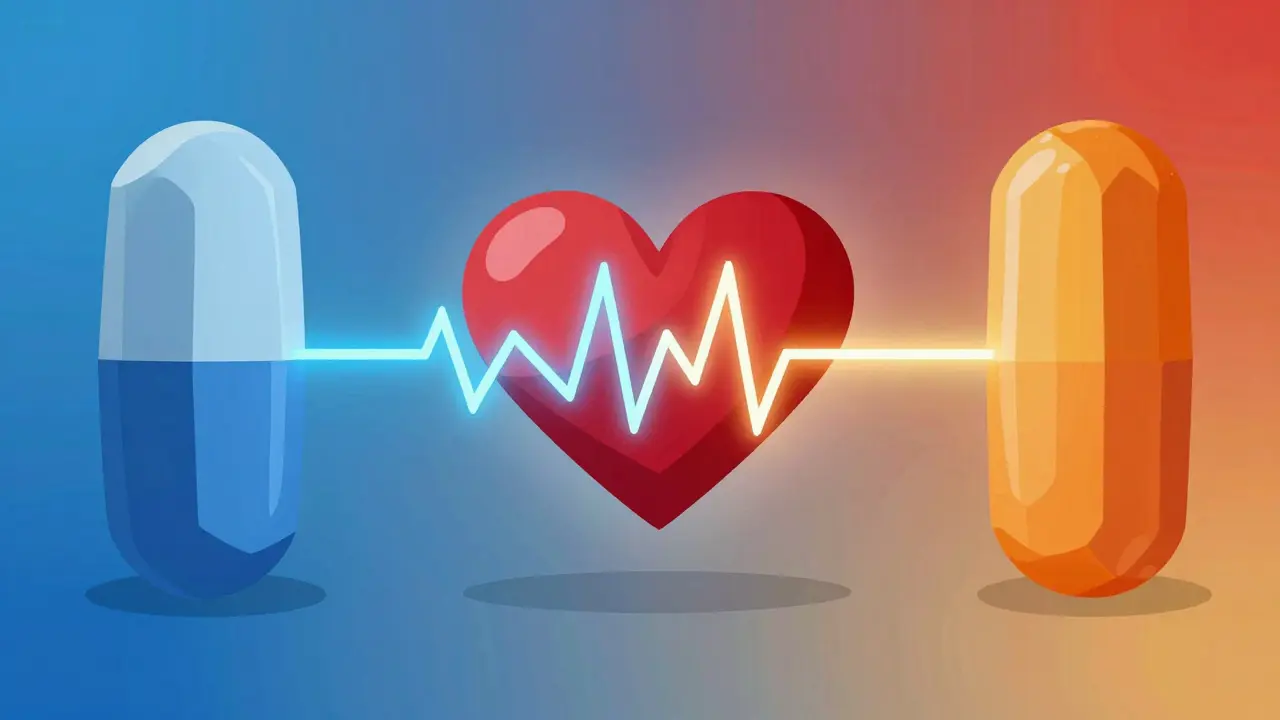
Because the risk is real, monitoring is not optional for high-risk patients. Clinical guidelines recommend a baseline electrocardiogram (ECG) for all patients before starting methadone. This gives doctors a starting point to compare against later. After the dose is stabilized, another ECG should be done. During maintenance, periodic monitoring is essential, especially if the dose increases or new medications are added.
What are the numbers doctors look for? A QTc greater than 450 milliseconds in men or 470 milliseconds in women warrants clinical evaluation. If the QTc exceeds 500 milliseconds, or if it increases by more than 60 milliseconds from the baseline, it is considered high risk. At this point, intervention is required. This could mean reducing the methadone dose, stopping other QT-prolonging drugs, or switching to a different treatment entirely.
Electrolytes also play a huge role. Low potassium (hypokalemia) or low magnesium (hypomagnesemia) can make the heart more susceptible to arrhythmias. Correcting these levels is a simple but effective management strategy. If a patient has low potassium, giving supplements can sometimes stabilize the heart rhythm enough to continue methadone therapy safely.
Management and Alternatives
What happens if the risk is too high? There are practical steps to take. The first line of defense is dose reduction. There are cases where reducing the methadone dose from 120 mg per day to 60 mg per day normalized the QTc interval and stopped the arrhythmia symptoms. This shows that the effect is often dose-dependent.
If dose reduction isn't enough, or if the patient needs higher doses for pain or withdrawal control, switching to an alternative opioid might be necessary. Buprenorphine is a partial opioid agonist used in addiction treatment. Unlike methadone, buprenorphine has minimal blockade of the hERG channel. Studies show that methadone's hERG blockade is 100-fold greater than buprenorphine at therapeutic dosages. This makes buprenorphine a much safer option for patients with existing heart conditions or those taking other QT-prolonging drugs.
Another option is to manage the interacting drugs. If a patient needs an antibiotic, a doctor might choose one that doesn't affect the QT interval. For example, avoiding erythromycin in favor of a different class of antibiotic can prevent the additive risk. This requires close communication between the addiction specialist, the primary care provider, and the pharmacist.
Why Methadone is Still Used
Given these risks, you might wonder why methadone is still prescribed. The answer lies in the benefits. Methadone maintenance therapy (MMT) has substantial advantages. It reduces mortality by 20% to 50% compared to non-treated patients. It decreases criminal activity and improves treatment adherence. It also reduces the transmission of infectious diseases like HIV and Hepatitis C.
There is a safety-efficacy paradox here. Higher doses of methadone are more effective at treating withdrawal and cravings, but they also cause more QTc prolongation. Despite this, the overall benefits generally outweigh the cardiac risks when appropriate monitoring protocols are followed. The key is careful patient selection and vigilance. We don't want to deny treatment to someone who needs it, but we also don't want to put their life at risk.
Questions Patients Often Ask
Can I take antibiotics while on methadone?
Yes, but you must tell your doctor you are on methadone. Some antibiotics like erythromycin or moxifloxacin can increase heart risk. Your doctor may choose a safer alternative or monitor your heart with an ECG.
What symptoms should I watch for?
Symptoms of a dangerous heart rhythm can include dizziness, fainting (syncope), or feeling like your heart is racing or fluttering. If you experience these, seek medical attention immediately.
Is buprenorphine safer for the heart?
Generally, yes. Buprenorphine has a much lower risk of causing QT prolongation compared to methadone because it blocks the hERG channel much less significantly.
Do I need an ECG if I am on a low dose?
Guidelines suggest a baseline ECG for all patients. If you are on a low dose (under 100 mg/day) and have no other risk factors, the risk is lower, but monitoring is still recommended if you take other medications.
Can diet affect this risk?
Yes. Keeping your potassium and magnesium levels normal through diet or supplements can help stabilize your heart rhythm and reduce the risk of arrhythmia.
Managing methadone therapy requires a balance. It's about keeping the benefits of addiction treatment while minimizing the cardiac risks. By understanding the interactions, monitoring the heart, and choosing the right medications, patients and providers can navigate this safely. The goal is recovery without compromising heart health.


It is vital that patients understand the electrical implications of this medication. Many people focus only on the addiction aspect without considering cardiac health. We need better communication between specialists to ensure safety. The data regarding hERG channels is quite specific and should not be ignored. Monitoring electrolytes is a simple step that saves lives. I hope everyone reads this carefully before starting treatment.