

Medication Management System Selector
1. How complex is your regimen?
Simple
1-2 medications per day.
Moderate
3-5 medications, varying times.
Complex
5+ meds, strict timing required.
2. What are your memory or safety concerns?
Good Memory
Rarely forget doses.
Forgetful
Need reminders occasionally.
Cognitive Decline
Risk of double-dosing or confusion.
3. How comfortable are you with technology?
Minimal
Prefer no screens or apps.
Intermediate
Comfortable with smartphones/apps.
High
Enjoys smart home tech & dashboards.
4. What is your budget?
Low ($3 - $25)
Basic one-time cost.
Medium ($200 - $500)
Mid-range smart devices.
High ($1,000+)
Investment in safety/automation.
Recommended System
Why this fits you:
Missing a dose of blood pressure medicine or taking a double dose of painkillers isn't just an inconvenience; it can be dangerous. For millions of people managing chronic conditions, the simple act of staying on schedule is a daily battle against forgetfulness, complex regimens, and confusing bottle labels. You don't need to be a healthcare professional to manage this, but you do need a system that works for your life. Whether you are looking after yourself or helping an aging parent, choosing the right medication tracking method is a critical part of your personal safety plan.
The landscape of medication management has shifted dramatically in recent years. We have moved far beyond the basic plastic boxes of the 1960s. Today, you have options ranging from $5 manual weekly organizers to sophisticated, Wi-Fi-connected automated dispensers that cost nearly $1,500. The goal remains the same: reduce errors and improve adherence. According to the World Health Organization, adherence rates for chronic conditions average only 50%. That means half of patients aren't taking their meds as prescribed. With medication errors accounting for approximately 7,000 deaths annually in the U.S., finding a reliable system is not optional-it's essential.
Understanding the Three Tiers of Medication Management
To pick the right tool, you first need to understand what is available. Modern medication management systems generally fall into three distinct categories: manual systems, digital systems, and pharmacy-integrated systems. Each serves a different level of complexity and budget.
Manual Systems are the traditional pill boxes you find at any drugstore. They are simple, cheap, and require zero technology. However, they rely entirely on your memory to fill them correctly and take them at the right time. Studies show adherence rates with these basic tools hover around 62%, which is better than nothing but still leaves room for improvement.
Digital Systems introduce automation and alerts. This includes smart dispensers like the MedaCube or apps that send reminders to your phone. These systems actively prompt you to take your medication and can notify a caregiver if a dose is missed. Adherence rates jump significantly here, often reaching 89% because the device does the remembering for you.
Pharmacy-Integrated Systems are the most advanced, connecting directly with healthcare providers and pharmacies. Solutions like DosePacker's CareCommunityOS handle complex regimens, variable dosing, and even transitions of care. While primarily designed for care facilities, some aspects are trickling down to consumer use, offering HIPAA-compliant infrastructure and seamless integration with electronic health records.
Choosing Between Manual and Automated Dispensers
If you are deciding between a simple box and a high-tech machine, consider your daily routine and technical comfort. Let's look at the specifics.
Basic 7-day pill organizers with compartments for morning, noon, evening, and bedtime doses typically cost between $3 and $25. They are perfect for someone who takes one or two medications a day and has a consistent routine. The setup takes about 15 minutes once a week. But there is no error prevention. If you forget to load Tuesday’s pills, the box won’t tell you. It just sits there empty.
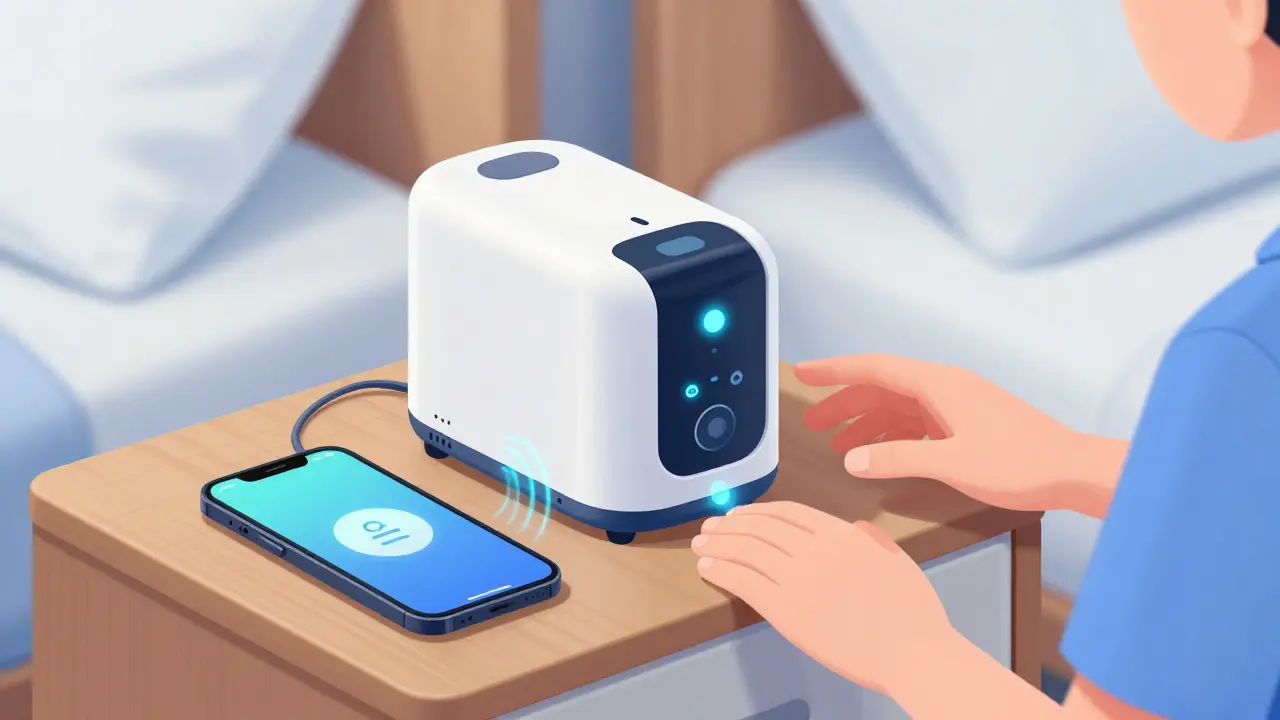
On the other end of the spectrum, you have automated dispensers like the MedaCube. Priced at $1,499 with no recurring fees, this unit holds up to 90 days of medication. It features internal bins that dispense up to 16 pills per dose, depending on size. It has a touch-screen interface, audio alerts, and a web-based monitoring portal. This is ideal for someone with a complex regimen or cognitive decline. The trade-off is the initial cost and the learning curve. Setup takes 2 to 4 hours initially, plus 30 to 45 minutes monthly for refills.
| Feature | Manual Pill Box | Automated Dispenser (e.g., MedaCube) | Pharmacy-Integrated System |
|---|---|---|---|
| Cost | $3 - $25 | $1,499 (no recurring fees) | $12,500+ (facility avg.) |
| Adherence Rate | ~62% | ~89% | High (Clinical setting) |
| Error Prevention | None | Audio/Visual Alerts | Full Integration |
| Tech Skill Required | Minimal | Intermediate | High (IT Support) |
| Best For | Simple regimens, low budget | Complex regimens, caregivers | Hospitals, Care Facilities |
The Role of Technology and Apps in Tracking
You don't always need a physical dispenser to get the benefits of digital tracking. Smartphone apps have become a powerful tool for the tech-savvy user. If you are under 65, you are likely already using your phone for everything else, so adding medication reminders is a natural step. Data shows that 68% of users under 65 prefer app-based tracking over physical devices.
Apps like those integrated with Hero Health or PillDrill offer convenience and portability. They sync with your calendar and send push notifications. However, they suffer from "notification fatigue." If your phone buzzes for every email, text, and med reminder, you might start ignoring them all. Furthermore, apps require you to manually log when you take the pill. An automated dispenser physically releases the pill, providing a hard verification that the dose was taken.
For older adults, the barrier is often usability. A study published in PMC noted that 37% of older adults struggle with touchscreen technology. If you are buying a system for a parent who isn't comfortable with smartphones, a dedicated device with large buttons and clear audio cues is much safer than an app on a tablet they rarely use.
Safety Plans and Caregiver Oversight
A medication organization system is only as good as the oversight behind it. This is where the concept of a safety plan comes in. A safety plan isn't just for mental health crises; it applies to physical health too. It involves identifying risks and having backup protocols.
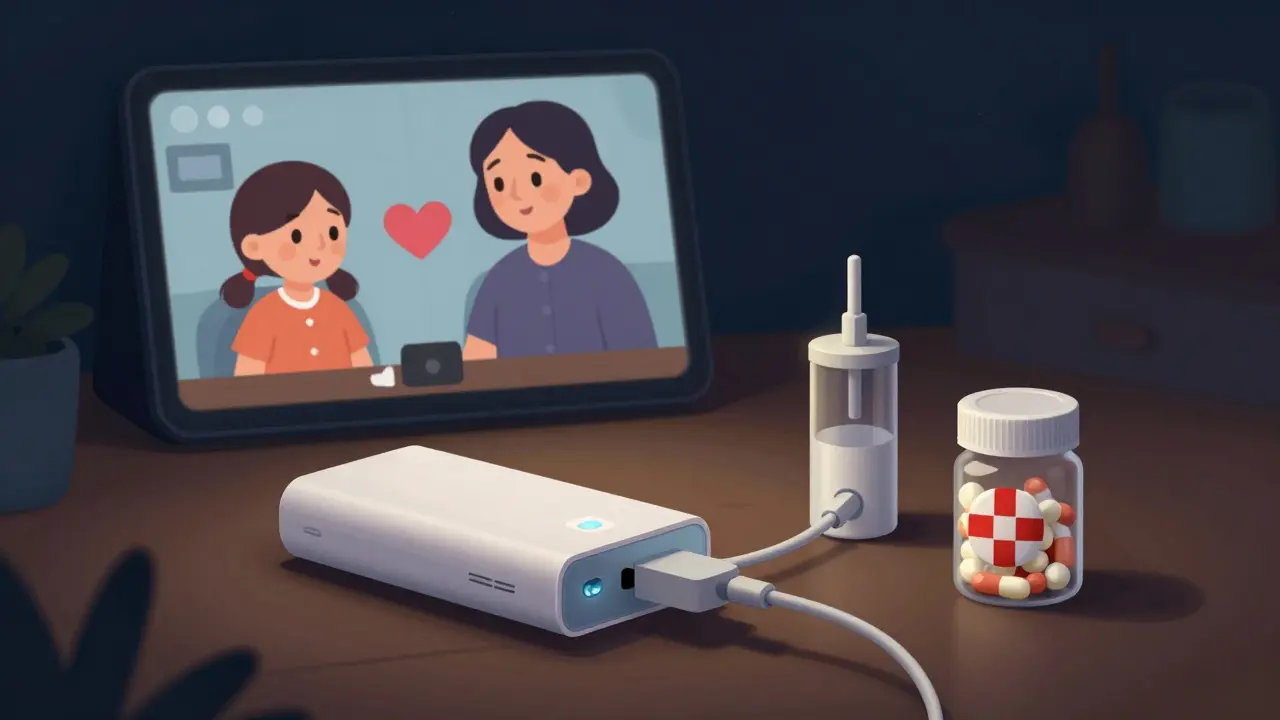
Consider the power outage risk. Automated dispensers need electricity. In March 2024 data from The Senior List, 22% of MedaCube user incidents were related to power outages disrupting the device. A robust safety plan includes a backup battery pack, which can reduce outage-related issues by 89%. Always keep a few days' worth of loose pills in a separate container in case the main system fails.
Caregiver involvement is another pillar of safety. One of the most valued features in modern systems is the ability to share data. Margaret Thompson, a 73-year-old retiree, shared that the web portal on her MedaCube lets her daughter, who lives 300 miles away, see exactly when she takes her pills. This remote monitoring provides peace of mind and allows for quick intervention if a pattern of missed doses emerges. When selecting a system, check if it offers a caregiver dashboard or notification service.
Common Pitfalls and How to Avoid Them
Even the best systems fail if they are set up incorrectly. Here are the most common challenges users face and how to mitigate them:
- Incorrect Loading: This accounts for 34% of errors in automated systems. Pills can get stuck, or you might load Monday’s dose into Tuesday’s slot. Use color-coded loading instructions. Some manufacturers provide laminated guides that stick to the side of the dispenser. Double-check the loading process with a second pair of eyes if possible.
- Wi-Fi Connectivity Issues: About 17% of users experience monthly connectivity drops. Ensure your dispenser is within range of your router. Consider systems with cellular backup options, though these often come with a monthly fee (around $29.99).
- Technical Support Gaps: Not all companies offer equal support. John Peterson, a 68-year-old user, reported that his touch screen stopped working after four months, and repair costs were nearly $300. Before buying, research the warranty and repair policies. Check community forums like Reddit’s r/eldercare or Facebook groups for real-world feedback on customer service responsiveness.
- Over-Reliance on Automation: Dr. Linda Rodriguez of the American Pharmacists Association warns that relying solely on machines without human oversight creates new error pathways. Software glitches happen. Regularly audit the physical pills in the bin against your prescription list. Don't let the machine replace your awareness.
Future Trends: AI and Personalization
The market for medication adherence technology is growing fast, projected to reach $8.2 billion by 2028. What does this mean for you? Expect more personalization and intelligence in future devices.
Newer versions of leading dispensers, like MedaCube Version 3.0 announced in early 2024, are incorporating AI-powered adherence prediction. These systems analyze your usage patterns to predict when you might miss a dose and adjust alert frequencies accordingly. Beta testing showed a 28% reduction in missed doses with this feature. Integration with voice assistants like Amazon Alexa is also becoming standard, allowing you to ask, "Did I take my morning pill?" and get an instant answer.
However, be wary of the "digital divide." As technology becomes more complex, it may exclude those who need it most. AARP’s February 2024 survey found that 47% of seniors over 80 are unable to effectively use advanced systems. If you fall into this category, stick to simpler solutions or ensure you have a dedicated tech-savvy supporter in your family network. Success with digital systems often depends on having at least one person with intermediate tech skills to help with setup and troubleshooting.
Next Steps for Implementation
Ready to organize your medications? Start by assessing your current routine. Count how many medications you take, how many times a day, and whether you have trouble remembering. If it’s one or two pills a day, a $10 manual organizer might suffice. If it’s five or more, or if you have cognitive concerns, invest in an automated dispenser.
Involve your pharmacist. They can help you simplify your regimen by combining doses where safe, reducing the number of pills you need to track. Finally, test your system before going live. Run a full week of practice loads to ensure you understand the mechanics. Medication safety is a journey, not a one-time fix. Choose a system that fits your life, involve your support network, and stay vigilant.
What is the best pill organizer for seniors with dementia?
For seniors with dementia, automated dispensers like the MedaCube or Lifeline Medication Dispenser are often the best choice. These devices lock until the scheduled time, preventing accidental double-dosing, and provide loud audio and visual alerts. The ability for caregivers to monitor adherence remotely via a web portal is crucial for safety.
How much does an automated medication dispenser cost?
Prices vary widely. Basic manual organizers cost $3-$25. Mid-range smart dispensers can range from $200 to $500. High-end automated systems like the MedaCube cost around $1,499 but typically have no recurring fees. Some services, like Lifeline, charge a monthly subscription fee averaging $39.99 instead of a high upfront cost.
Can I use a smartphone app instead of a physical dispenser?
Yes, if you are tech-savvy and disciplined. Apps are great for reminders and tracking, but they rely on you to manually log the dose. They do not prevent you from skipping a dose or taking an extra one. For complex regimens or if memory is a concern, a physical dispenser with locking mechanisms is safer.
What should I do if my automated dispenser loses power?
Most automated dispensers have internal batteries that last for a short period during outages. To be safe, keep a backup battery pack or a portable power bank nearby. Additionally, maintain a small supply of loose pills in a labeled container as an emergency reserve in case the system is down for an extended period.
Are pharmacy-integrated systems available for home use?
Currently, fully pharmacy-integrated systems like DosePacker's CareCommunityOS are primarily designed for hospitals and care facilities due to their high implementation costs and complexity. However, some consumer devices are beginning to offer limited integration with pharmacy refill services and electronic health records, making home management smoother.
