
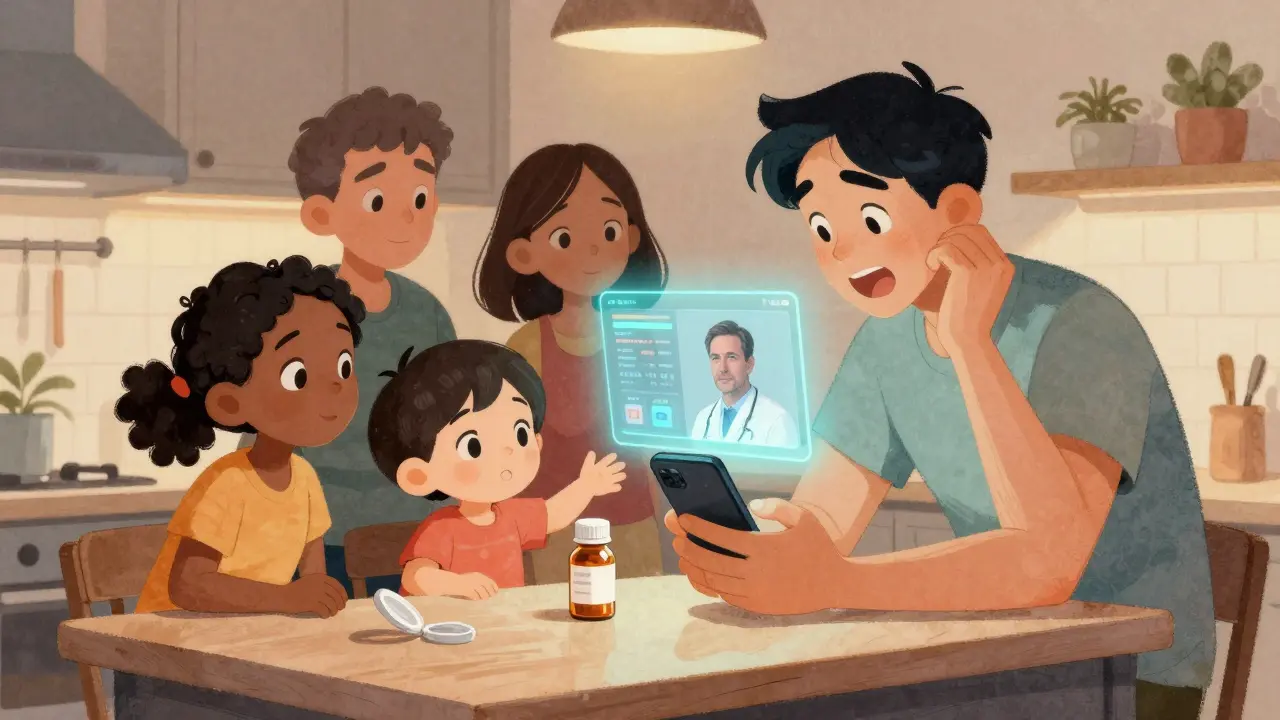
Every year, over 2.1 million people in the U.S. call the Poison Control Hotline because of a medication mistake - a child grabbing pills off the counter, an adult mixing drugs by accident, or someone taking too much by misreading the label. Most of these calls don’t end in the ER. Why? Because the Poison Control Hotline - 1-800-222-1222 - gives you real-time, expert advice that can stop a crisis before it starts.
How the Poison Control Hotline Actually Works
The Poison Control Hotline isn’t a call center with scripted answers. It’s a network of 53 accredited centers staffed by Specialists in Poison Information (SPIs). These are pharmacists, nurses, or doctors with years of toxicology training. They don’t guess. They use over 1,540 evidence-based algorithms built from decades of real poisoning cases. When you call, your area code routes you to your local center. You’re not put on hold for minutes. The average call lasts 8 to 12 minutes. In 60% of medication cases, the specialist tells you exactly what to do at home - no ambulance, no ER visit needed. That’s not just convenient. It saves the healthcare system nearly $1.8 billion every year. You can also text “poison” to 797979 or use the webPOISONCONTROL tool at poisonhelp.org. The online tool asks for six key details and gives you a risk assessment in under three minutes. It’s 97% accurate compared to human specialists. But if it’s a child, a pregnant person, or someone already showing symptoms, call. Always call.What Exactly to Report About Medications
Don’t say, “My kid took some Tylenol.” That’s not enough. Specialists need specifics. Here’s what they need from you:- Exact name: “Tylenol Extra Strength, 500mg per tablet” - not just “Tylenol.” Brand and generic matter. Some generic versions have different fillers or release rates.
- Amount ingested: “Three tablets” or “15 mL of liquid.” Don’t guess. If you’re not sure, show them the bottle.
- Time of exposure: “At 2:15 PM today.” Timing is critical. Some drugs like acetaminophen cause liver damage hours later. If you know when it happened, they can predict when to watch for symptoms.
- Patient details: Age, weight in kilograms (not pounds), and any existing conditions. A 5-year-old weighing 18kg who took 4 tablets is a very different case than a 70kg adult who took the same amount.
- Symptoms: “She’s vomiting,” “He’s drowsy,” “She’s shaking.” Even small changes matter. Nausea, dizziness, or unusual sleepiness can be early warning signs.
And if the person is taking more than one medication? Tell them all of them. Over 30% of serious medication poisonings involve drug interactions. A common painkiller mixed with an antidepressant or blood pressure pill can create a hidden danger.
Why You Should Call Even If You’re Not Sure
Many people wait. They think, “It’s probably fine.” Or, “I’ll just watch for a while.” That’s the biggest mistake. Take acetaminophen, for example. Taking 10 extra tablets might not make you feel sick right away. But in 24 to 48 hours, it can cause liver failure. If you call within 8 hours, the specialist can tell you to give N-acetylcysteine - a treatment that prevents permanent damage. Miss that window, and the damage is irreversible. In one documented case, a parent in Texas called after their toddler swallowed half a bottle of melatonin gummies. The child was calm, no symptoms. The specialist said: “Keep watching for drowsiness or vomiting. Call back in 4 hours.” That’s all it took. No hospital. No cost. Just peace of mind.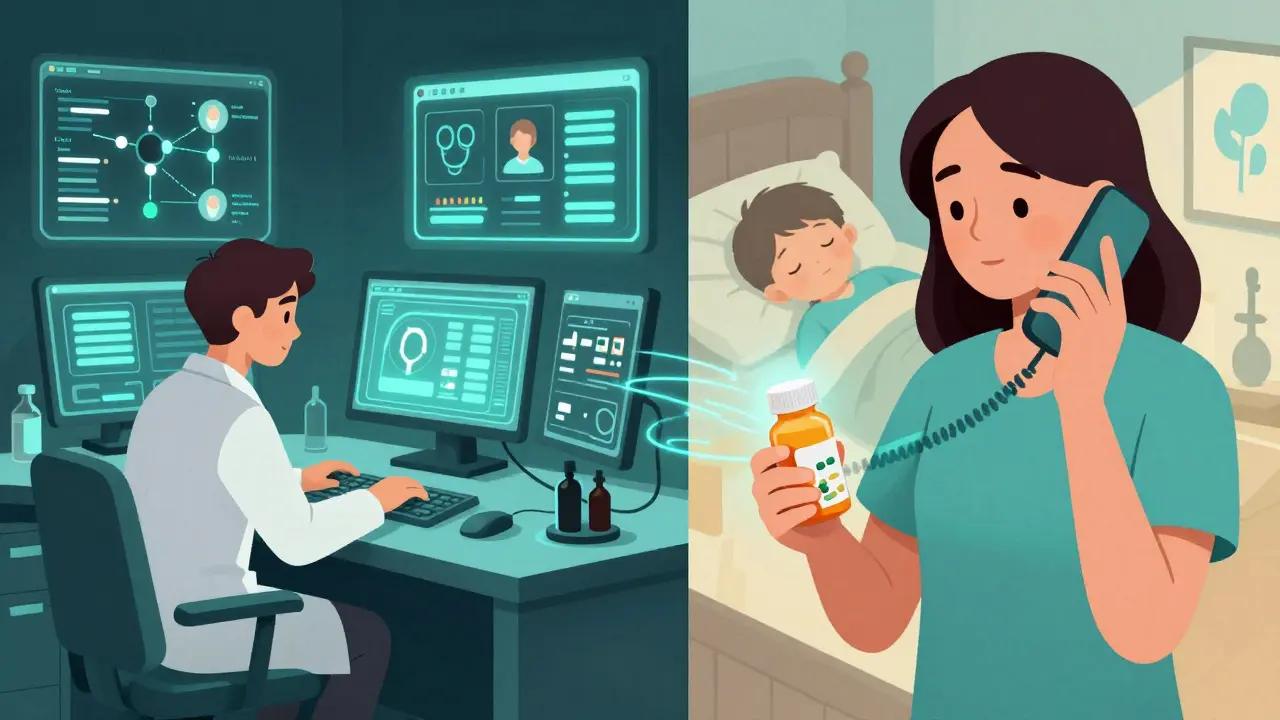
What Happens After the Call
You won’t be left hanging. After your call, you’ll get an email summary with:- The exact medication names and doses involved
- The risk level assigned (low, moderate, high)
- Step-by-step instructions for what to do next
- When to call back or go to the ER
Seventy-eight percent of people keep this email. It’s your personal poison exposure record. If you do need to go to the hospital, bring it with you. The ER staff will thank you.
Follow-up calls are standard for high-risk cases. For acetaminophen, you’ll likely get a callback at 4, 8, and 24 hours. The New Mexico Poison Center reports a 92% success rate reaching people for these check-ins. If you miss a call, they’ll try again. They’re not going to let you slip through the cracks.
What They Won’t Help With
The hotline is designed for accidental or unintentional exposures. They don’t handle:- Intentional overdoses (suicide attempts) - those go straight to emergency services
- Exposures to more than two substances at once - too complex for the algorithm
- Non-medication poisonings like cleaning chemicals or plants - they handle those too, but medication calls make up 45% of all cases
If someone has swallowed pills on purpose, call 911 immediately. Then call Poison Control. They can still help the ER team understand what was taken and how to treat it.
Real People, Real Results
On Reddit, a pharmacist shared how a call to Poison Control saved a child’s life after a suspected acetaminophen overdose. The child was asymptomatic, but the specialist insisted on immediate N-acetylcysteine. Two days later, liver tests showed no damage. The child went home. A 2022 national survey found 94.7% of people rated the advice they received as “excellent” or “good.” People especially appreciated when specialists knew that “ibuprofen” meant the same thing whether it was Advil, Motrin, or a store brand. No judgment. No shame. Just facts.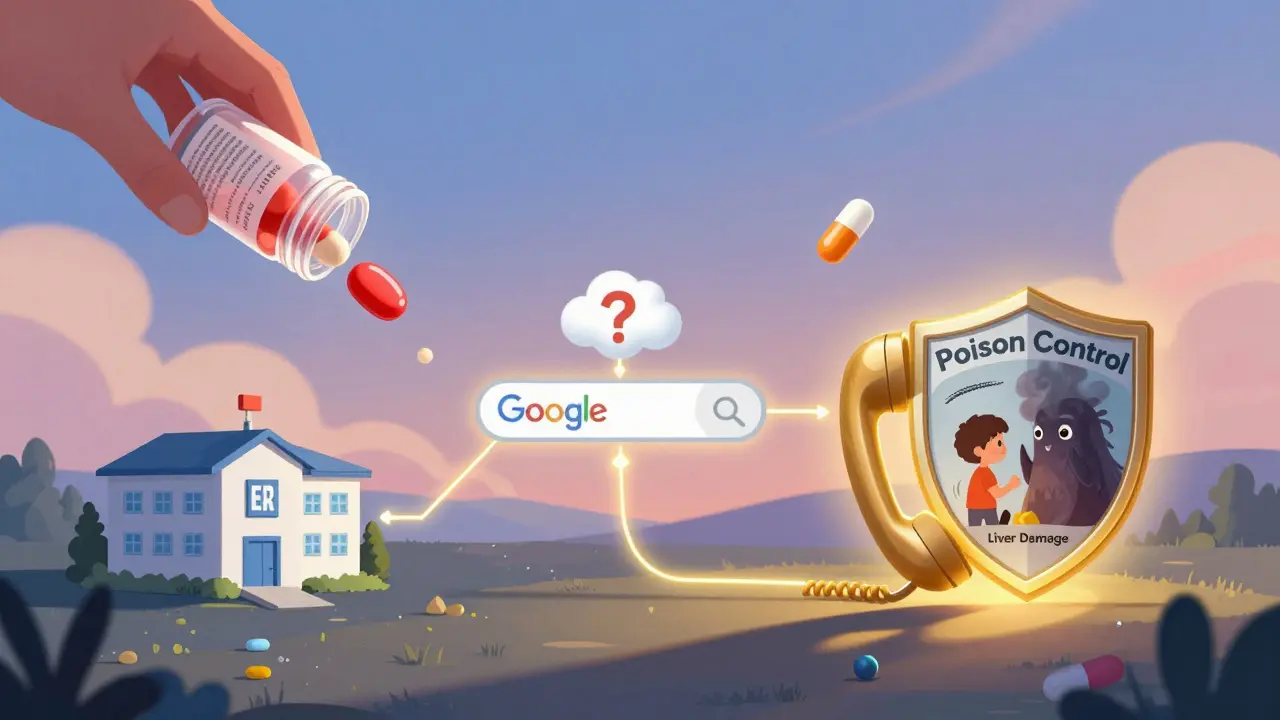
Who Pays for This Service?
You don’t pay a cent. The service is free, confidential, and available in over 150 languages through translation services. Funding comes from government grants (62%), hospitals (28%), and state programs (10%). That’s why it’s available 24/7, 365 days a year. Hospitals across the country are required to have formal agreements with their local poison center. Every Level I trauma center uses them. That’s not a suggestion - it’s standard protocol.What’s Changing in 2025
The system is getting smarter. In 2023, the CDC funded $4.7 million to update algorithms for new drugs - especially weight-loss medications and synthetic opioids that weren’t even on the market five years ago. The National Poison Data System now automatically shares case data with 42 major hospital networks, helping ER teams respond faster. Some centers now offer video consultations for complex cases. Imagine showing the specialist the pill bottle on your phone while they walk you through what to do. That’s the future - and it’s already here in many places.Final Advice: Save the Number
You don’t need to memorize it. Save it in your phone. Put it on the fridge. Tell your babysitter. Add it to your family’s emergency contacts. 1-800-222-1222If you think someone took too much of a medication - even if they seem fine - call. Don’t wait. Don’t Google. Don’t hope it goes away. This isn’t a last resort. It’s your first line of defense.
Every second counts. And you don’t have to handle it alone.


man i had no idea this hotline was this advanced. i thought it was just some scripted bot answering 'call 911' for everything. the fact they use 1540+ algorithms based on real cases? that’s next level. and texting 'poison' to 797979? genius. my aunt took 3 ibuprofen by accident last month and panicked for hours-this could’ve saved her a trip to the ER.