
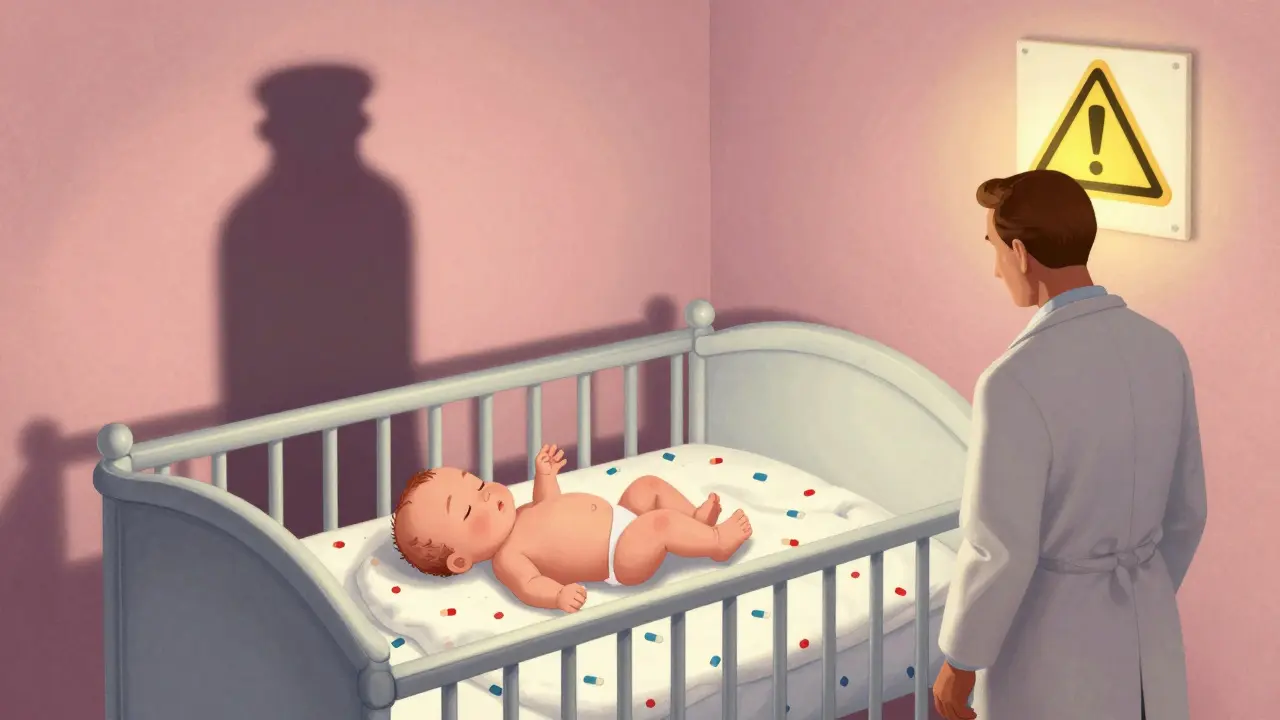
On December 25, 1956, a baby was born in Germany with arms that looked like flippers - no forearms, hands attached directly to the shoulders. No one knew why. That baby was the first known victim of thalidomide, a drug meant to calm morning sickness and help pregnant women sleep. By the time the world realized what was happening, over 10,000 children had been born with severe birth defects. Many didn’t live past their first year. Others spent their lives with missing limbs, deafness, blindness, or internal organ damage. It wasn’t a natural disaster. It wasn’t bad luck. It was a drug - one that doctors thought was safe.
How a ‘Safe’ Drug Became a Nightmare
Thalidomide was developed in West Germany in 1954 as a sedative. It was gentle, non-addictive, and worked well for nausea. By 1957, it was sold in 46 countries under brand names like Contergan and Distaval. Doctors prescribed it freely to pregnant women. No one tested it for harm to unborn babies. Back then, drug safety rules were weak. If a pill helped you sleep or stop vomiting, it was considered good enough.
The problem? Thalidomide didn’t just cross the placenta - it attacked developing limbs and organs. The window of danger was tiny: between 34 and 49 days after the last menstrual period. That’s just 5 to 7 weeks into pregnancy. Most women didn’t even know they were pregnant then. One dose was enough. No amount was safe. The drug didn’t cause random defects - it targeted specific tissues. Fingers, ears, eyes, heart, intestines - all could be destroyed.
The Doctors Who Stopped the Tragedy
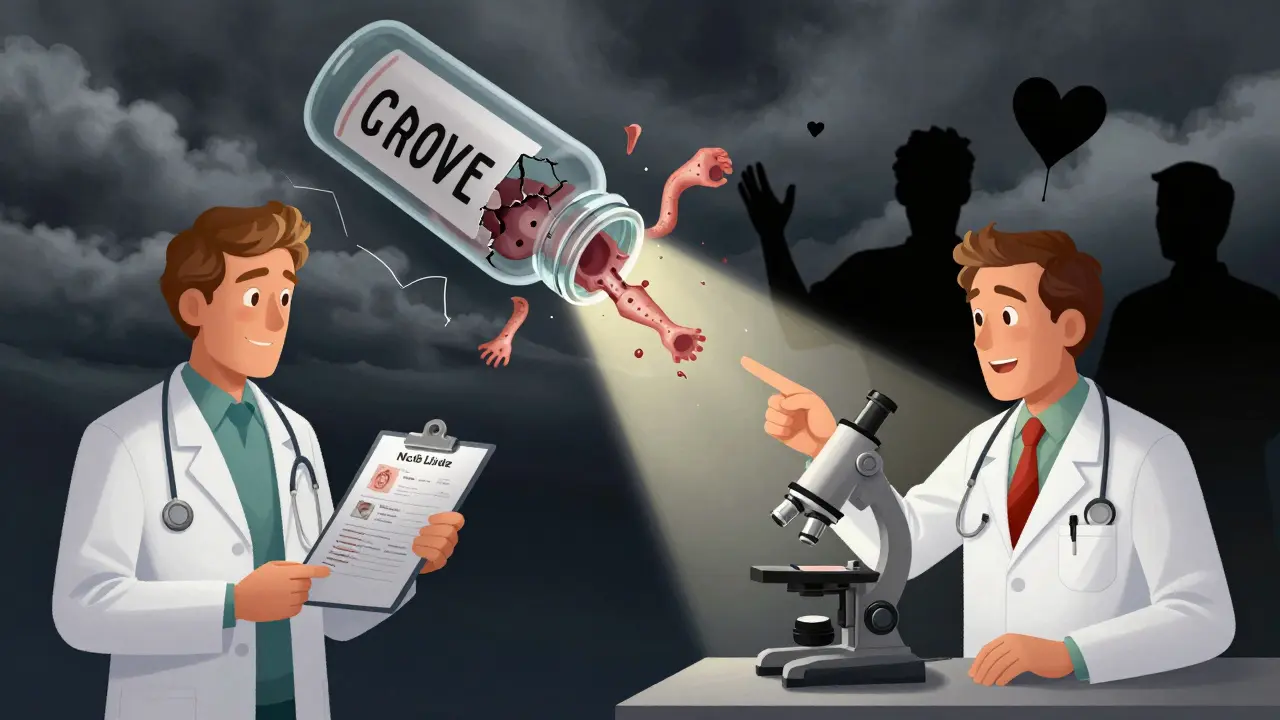
Two doctors, working independently on opposite sides of the world, were the first to sound the alarm. In Australia, Dr. William McBride noticed a strange spike in babies born with limb defects at the Women’s Hospital in Sydney. He looked at their mothers’ medical records. Every single one had taken thalidomide. In November 1961, he wrote a letter to The Lancet, the world’s leading medical journal, linking the drug to birth defects.
At the same time, in Germany, Dr. Widukind Lenz was seeing the same pattern. He had been tracking birth defects for years and had already suspected thalidomide. He called the drug’s manufacturer, Chemie Grünenthal, on November 15, 1961, and told them: “This drug is killing babies.” They dismissed him. A week later, he went public.
By then, the damage was done. The UK didn’t issue a formal warning until May 1962. Germany pulled the drug off shelves in November 1961. But in the U.S., it never made it to pharmacies. Why? Because a young FDA reviewer named Frances Oldham Kelsey refused to approve it. She asked for more data. She questioned the safety studies. She held out. Her skepticism saved thousands of American babies.
The Birth Defects No One Expected
Thalidomide didn’t just cause missing arms or legs. It caused a whole range of injuries. Some babies were born without ears or with deafness. Others had eyes that didn’t form properly. Some had heart defects, kidney problems, or missing parts of the digestive system - like a closed esophagus or a missing appendix. A 1964 UK government report found that almost every organ system could be affected.
One of the most heartbreaking patterns was phocomelia - limbs so short they looked like flippers. But even more disturbing was the fact that many babies had no visible defects at birth. They developed neurological damage later. Numbness, tingling, muscle weakness - symptoms of peripheral neuropathy - showed up in adults who took thalidomide for years. These weren’t just birth defects. The drug damaged nerves too.
Why It Took So Long to Find Out
The delay wasn’t just bureaucratic. It was scientific ignorance. Doctors didn’t think drugs could harm embryos. Animal tests were done - but only on rats and rabbits. Thalidomide didn’t cause defects in those animals. So scientists assumed it was safe for humans. We now know that different species metabolize drugs differently. What’s safe for a rabbit isn’t safe for a human.
Plus, the timing was misleading. Birth defects showed up months after the drug was taken. No one connected the dots. Even when doctors saw clusters of cases, they blamed infections, genetics, or bad luck. It took a sharp-eyed clinician like McBride to see the pattern. He didn’t have fancy tools. He just looked at the data - and asked the right question: “What do all these babies have in common?”
The Aftermath: How the World Changed
After the scandal broke, governments didn’t just apologize - they rebuilt their systems. In 1962, the U.S. passed the Kefauver-Harris Amendments. For the first time, drug companies had to prove their medicines were both safe and effective before selling them. They had to test for birth defects. They had to report side effects. They couldn’t just rely on anecdotal evidence.
Britain created the Committee on the Safety of Medicines in 1963. Other countries followed. Teratogenicity testing became mandatory. Pregnant women were no longer treated as an afterthought. Drug labels started warning about pregnancy risks. The entire system shifted - from trusting manufacturers to demanding proof.
Thalidomide’s Strange Comeback
Here’s the twist: thalidomide didn’t disappear. It came back - and not as a sedative, but as a cancer drug.
In 1964, a doctor in Peru named Jacob Sheskin tried giving thalidomide to a leprosy patient with painful skin sores. The sores cleared up. That was the first clue: thalidomide had anti-inflammatory properties. Decades later, researchers discovered why. It blocked the growth of blood vessels - a process called angiogenesis. Tumors need new blood vessels to grow. Thalidomide starved them.
In 1998, the FDA approved thalidomide for erythema nodosum leprosum. In 2006, it was approved for multiple myeloma, a type of blood cancer. Clinical trials showed patients lived longer. Progression-free survival jumped from 23% to 42% at three years. But the side effects were brutal. Up to 60% of patients had to stop because of nerve damage.
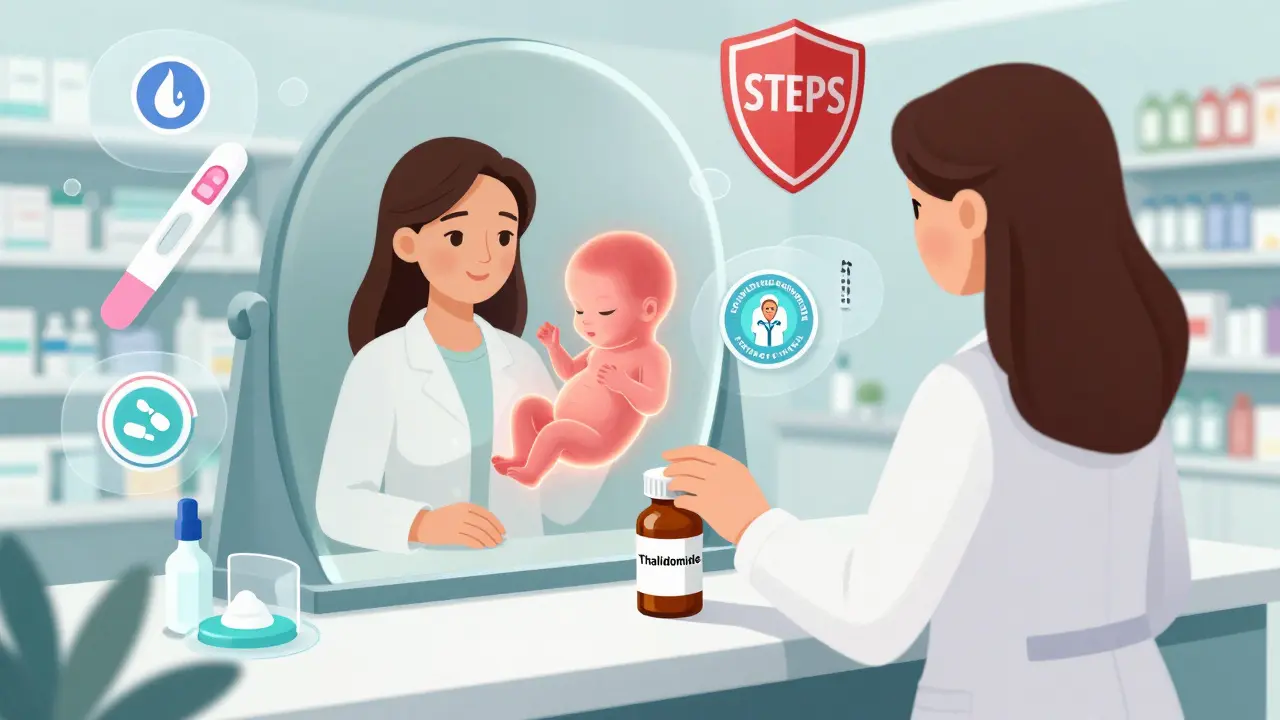
So how do we use a drug that can cripple babies and still save lives? Strict controls. The U.S. runs the STEPS program - System for Thalidomide Education and Prescribing Safety. Women must take two forms of birth control. They must have monthly pregnancy tests. They can’t even share pills. Pharmacists must verify everything. Doctors need special certification. The drug is tracked from factory to patient.
What We Know Now - The Science Behind the Damage
In 2018, scientists finally figured out how thalidomide causes birth defects. It binds to a protein called cereblon. That protein normally helps regulate genes that build limbs and organs. Thalidomide hijacks it - and makes the cell destroy those genes. No cereblon function? No arms. No legs. No ears.
That same mechanism explains why it kills cancer cells. Tumors rely on those same proteins to grow. Thalidomide turns the body’s own system against them. It’s a double-edged sword - the same action that harms a fetus can save a cancer patient.
What This Means for You Today
Thalidomide is still on the market. So are other teratogenic drugs. Isotretinoin (Accutane) for acne. Valproic acid for epilepsy. Warfarin for blood clots. These drugs are powerful. They work. But they can hurt a developing baby.
If you’re pregnant, trying to get pregnant, or could get pregnant - always ask your doctor: “Is this drug safe?” Don’t assume. Don’t rely on old advice. Even over-the-counter herbs and supplements can be risky. A 2020 study found that nearly 40% of pregnant women took at least one medication without knowing its potential risks.
And if you’re not pregnant? Still be careful. Half of all pregnancies are unplanned. A drug you take today could affect a baby you don’t even know you’re carrying.
Lessons That Still Matter
Thalidomide isn’t just history. It’s a warning. We still don’t test drugs thoroughly enough for pregnant women. Clinical trials often exclude them. We assume safety based on animal data. We still miss things.
But we’ve learned. We have systems now. We have monitoring. We have databases. We have the knowledge to ask better questions. The tragedy didn’t end with the drug’s withdrawal - it ended with the change it forced. We don’t just trust doctors anymore. We demand proof. We don’t just rely on companies. We require transparency.
Thalidomide is still used today - carefully, legally, under strict control. It saves lives. But it also reminds us: medicine is powerful. And power without responsibility can destroy.
Can thalidomide still cause birth defects today?
Yes. Thalidomide remains one of the most potent human teratogens known. Even a single dose during early pregnancy can cause severe birth defects. That’s why its use today is tightly controlled under programs like STEPS, requiring strict contraception, regular pregnancy tests, and physician certification.
Why wasn’t thalidomide banned sooner?
Drug regulations in the 1950s were weak. Companies didn’t need to prove safety for unborn babies. Animal tests didn’t show harm, so regulators assumed it was safe. Even when doctors raised alarms, manufacturers ignored them. It took independent clinical observations and public pressure to force action.
How did the U.S. avoid the thalidomide disaster?
Frances Oldham Kelsey, a medical officer at the FDA, refused to approve thalidomide because the safety data was incomplete. She questioned the reliability of animal studies and asked for more evidence. Her skepticism prevented widespread use in the U.S., saving thousands of babies from birth defects.
Are there other drugs like thalidomide that are dangerous in pregnancy?
Yes. Drugs like isotretinoin (Accutane), valproic acid, warfarin, and certain anticonvulsants are known teratogens. Even some antibiotics and herbal supplements can be risky. Always check with your doctor or pharmacist before taking any medication if you’re pregnant or could become pregnant.
Is thalidomide still prescribed today?
Yes - but only for specific conditions like multiple myeloma and leprosy-related skin sores. It’s never used for morning sickness or sleep. Its use is restricted to certified prescribers, and patients must enroll in strict safety programs to prevent fetal exposure.
What should I do if I took thalidomide while pregnant?
If you took thalidomide during early pregnancy, contact your doctor immediately. While the risk is high, not every exposure leads to defects. Genetic counseling and detailed ultrasounds can help assess potential risks. Do not stop any medication without medical advice.


This is the kind of history that makes you stop scrolling for a second.
Just... wow.