
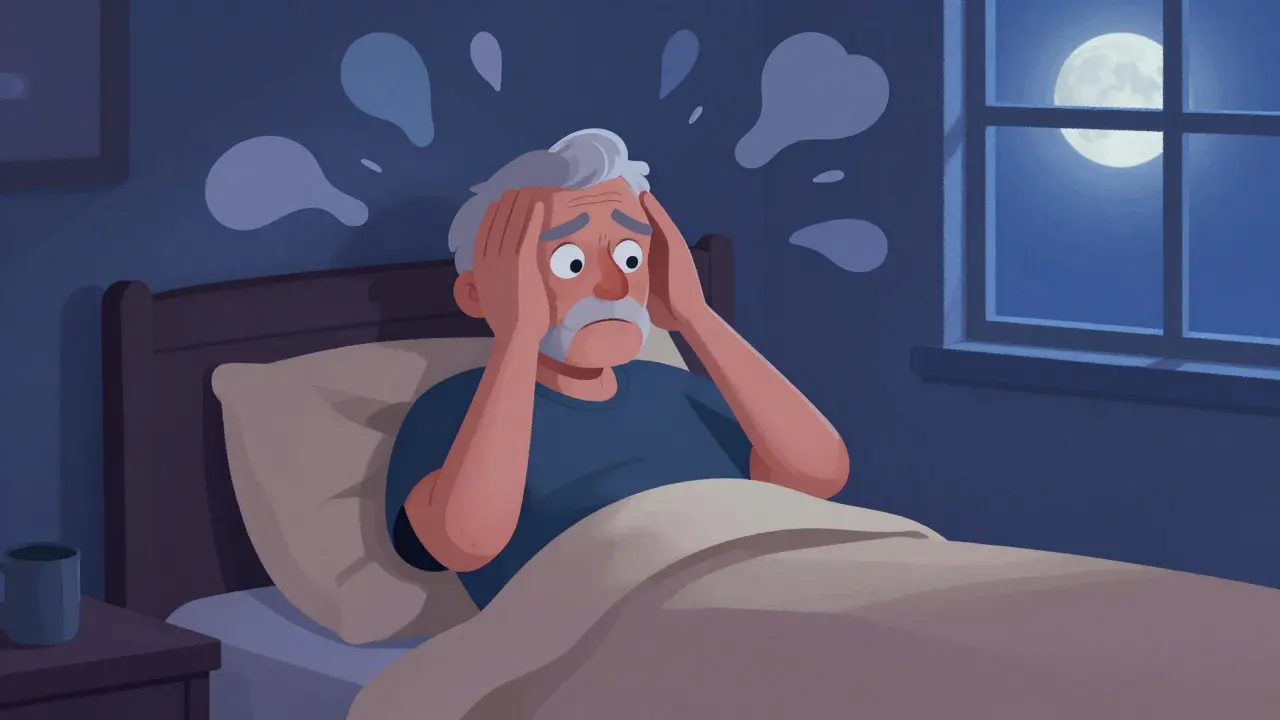
For many people over 65, the night is no longer a time for rest but a battle against a racing mind and a body that refuses to settle. If you or a loved one has struggled with tossing and turning, you are not alone. Roughly 30% to 48% of older adults deal with chronic insomnia, yet the standard prescriptions often come with a heavy price tag: dizziness, falls, and morning grogginess. The goal here isn't just to knock you out; it's to help you sleep safely without waking up feeling like you've been hit by a truck.
The landscape of sleep medicine has shifted dramatically. For decades, benzodiazepines were the go-to solution. Today, medical experts agree they are rarely the best first choice for seniors. Instead, newer options and non-drug therapies are taking the spotlight. Understanding these safer medication choices can make a real difference in your quality of life and long-term health.
Why Traditional Sleep Meds Are Risky for Seniors
Your body changes as you age, and how it processes drugs changes with it. Liver function slows down, and kidney clearance decreases. This means medications stay in your system longer than they do in younger adults. Add to this the fact that many older adults take multiple other medications (polypharmacy), and the risk of interactions skyrockets.
Benzodiazepines, like temazepam or triazolam, have been around since the 1960s. While effective at inducing sleep, they carry significant risks for those over 65. Studies show they increase the odds of falling by 50% to 60%. A fall in an older adult isn't just a bruise; it’s a leading cause of hip fractures and loss of independence. Furthermore, these drugs can impair memory and balance, making them particularly dangerous if you get up during the night to use the bathroom.
Benzodiazepines are a class of psychoactive drugs commonly used to treat anxiety and insomnia, but now considered high-risk for older adults due to increased fall and cognitive impairment rates. They work by enhancing the effect of the neurotransmitter GABA in the brain. Due to their long half-lives and sedative effects, the American Geriatrics Society recommends avoiding them as first-line treatment for insomnia in seniors.
First-Line Options: Non-Drug Approaches
Before reaching for a pill, most sleep specialists now recommend Cognitive Behavioral Therapy for Insomnia, or CBT-I. It sounds clinical, but it’s essentially retraining your brain’s association with bed and sleep. Instead of viewing the bedroom as a place of frustration, you learn techniques to reduce arousal and establish consistent sleep habits.
- Sleep Restriction: Limiting time in bed to match actual sleep time to build "sleep drive."
- Stimulus Control: Only going to bed when sleepy and getting up if not asleep after 20 minutes.
- Cognitive Restructuring: Challenging negative thoughts about sleep, such as "If I don't sleep now, I'll be exhausted tomorrow."
CBT-I has a success rate comparable to medication but with zero side effects. Once the habit is formed, the benefits tend to last long after therapy ends, unlike the temporary relief provided by pills. For many, combining CBT-I with a mild medication for short-term relief is the most robust strategy.
Safer Pharmacological Alternatives
When non-drug methods aren't enough, there are safer pharmaceutical options. These agents target different mechanisms in the brain, aiming to promote natural sleep rather than forcing sedation.
Orexin Receptor Antagonists
This is a newer class of drugs that works by blocking the "wakefulness" signal in the brain. Instead of sedating you, they turn off the switch that keeps you awake. Two prominent examples are lemborexant (Dayvigo) and suvorexant (Belsomra).
Lemborexant is an orexin receptor antagonist approved for insomnia in adults, including older populations, which reduces wakefulness signals rather than causing general sedation. Clinical data suggests it improves total sleep time and reduces time awake after falling asleep. Unlike older sedatives, users often report feeling less groggy the next day, though dizziness can occur initially.
These drugs are generally well-tolerated, but they can be expensive. In the US, costs can run into hundreds of dollars per month without insurance coverage, which is a barrier for many retirees.
Low-Dose Doxepin
Doxepin is actually an antidepressant, but at very low doses (3mg or 6mg), it acts primarily on histamine receptors to help maintain sleep. It is FDA-approved specifically for sleep maintenance insomnia-meaning it helps you stay asleep through the night.
One of its biggest advantages is cost. Generic doxepin is inexpensive, often costing less than $20 per month. It doesn’t typically cause next-day drowsiness at these low doses, making it a practical choice for budget-conscious patients who struggle with middle-of-the-night awakenings.
Ramelteon
Ramelteon mimics melatonin, the hormone that regulates your sleep-wake cycle. It binds to specific receptors in the brain to signal that it’s time to sleep. Because it doesn’t bind to GABA receptors (like benzos or Z-drugs), it has a lower risk of dependency and complex sleep behaviors like sleepwalking.
However, its efficacy is modest. It works best for difficulty falling asleep (sleep onset) rather than staying asleep. It’s a good option if you want to avoid controlled substances entirely, as ramelteon is not a controlled drug in most jurisdictions.
Comparison of Common Sleep Aids for Older Adults
Choosing the right medication depends on whether your main issue is falling asleep or staying asleep, as well as your budget and health history. Here is a quick comparison of the most common options discussed in geriatric care.
| Medication Class | Primary Use | Safety Profile in Seniors | Cost Considerations |
|---|---|---|---|
| Benzodiazepines | Sleep onset & maintenance | High risk (falls, confusion) | Low (generics available) |
| Z-Drugs (Zolpidem) | Sleep onset | Moderate-High risk (next-day impairment) | Low-Medium |
| Orexin Antagonists | Sleep onset & maintenance | Lower risk (less sedation) | High (brand name only) |
| Low-Dose Doxepin | Sleep maintenance | Low risk (minimal next-day effects) | Very Low |
| Ramelteon | Sleep onset | Low risk (no dependency) | Medium-High |
Practical Tips for Managing Sleep Meds
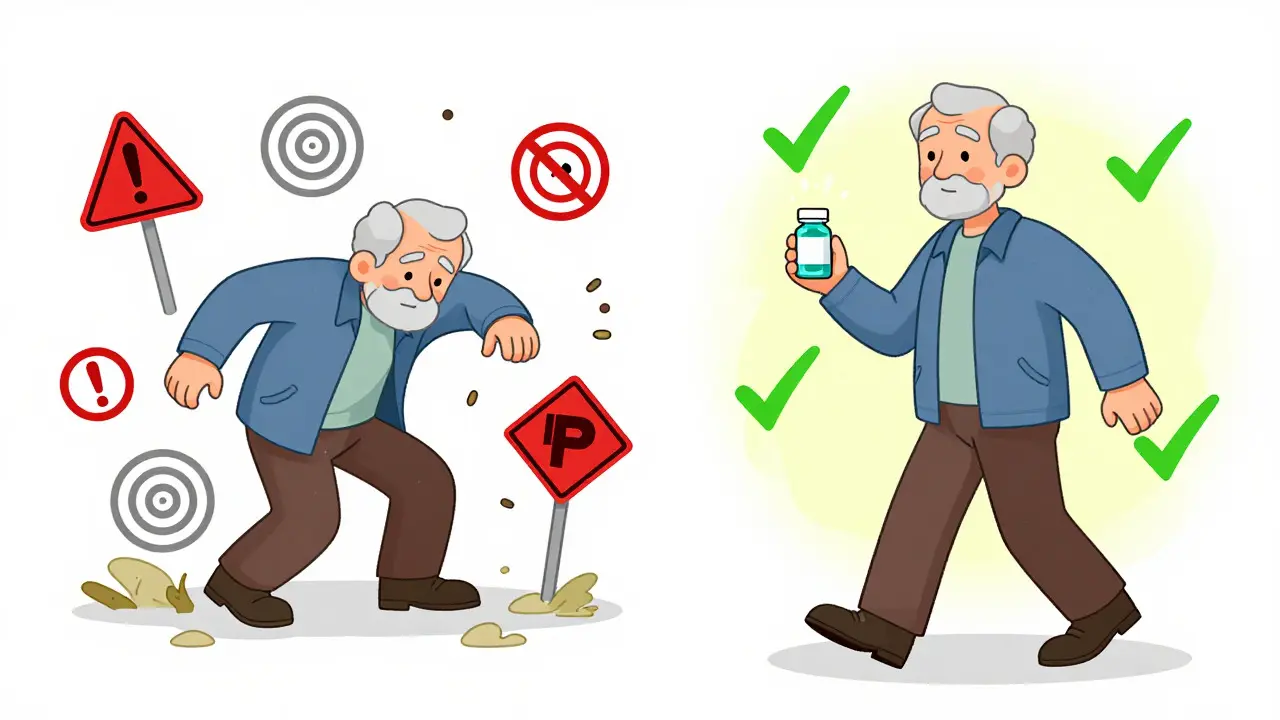
If you decide to try a new medication, follow these guidelines to maximize safety and effectiveness.
- Start Low and Go Slow: Always start with the lowest possible dose. Your body may need less medication than a younger person to achieve the same effect.
- Keep a Sleep Diary: Track when you take the med, when you fall asleep, and how you feel the next day. This data helps your doctor adjust the dose accurately.
- Watch for Interactions: Tell your pharmacist about all supplements and other meds. Grapefruit juice, for example, can interfere with the metabolism of certain sleep drugs.
- Set a Stop Date: Unless prescribed for long-term use (like low-dose doxepin), plan to taper off after 4-5 weeks. Long-term use of hypnotics can lead to tolerance.
- Assess Fall Risk: If you have a history of falls, discuss this openly with your doctor. They may prioritize non-sedating options or CBT-I.
It’s also crucial to manage expectations. No medication will give you 8 hours of perfect sleep every night. The goal is improvement. Even a 10-minute reduction in time awake can significantly boost daytime energy and mood.
Frequently Asked Questions
Is it safe to take melatonin every night?
Yes, melatonin is generally considered safe for long-term use in older adults. However, high doses (above 5mg) can sometimes cause headaches or vivid dreams. Start with a low dose, such as 0.5mg to 1mg, and see how you respond. Controlled-release formulations may be more effective for maintaining sleep throughout the night.
What is the safest sleeping pill for someone over 70?
There is no single "safest" pill for everyone, but low-dose doxepin and orexin antagonists like lemborexant are often preferred over benzodiazepines. Low-dose doxepin is particularly noted for its minimal next-day side effects and low cost. Always consult a geriatrician or sleep specialist to determine which option fits your specific health profile.
Can I stop taking my sleep medication suddenly?
It depends on the medication. Benzodiazepines and some Z-drugs should never be stopped abruptly, as this can cause withdrawal symptoms like rebound insomnia or anxiety. Tapering off slowly under medical supervision is essential. Ramelteon and low-dose doxepin are generally easier to discontinue without severe withdrawal effects.
Does CBT-I really work better than pills?
Research consistently shows that CBT-I provides more durable results than medication. While pills offer immediate relief, their effects fade once you stop taking them. CBT-I addresses the underlying behavioral and psychological factors of insomnia, meaning improvements often persist years after treatment ends. Many doctors now recommend trying CBT-I before starting any medication.
How much does newer sleep medication cost?
Newer classes like orexin antagonists (e.g., Dayvigo) can be expensive, often ranging from $300 to $750 per month without insurance. Generic options like doxepin or ramelteon are significantly cheaper. Check with your insurance provider or pharmacy for patient assistance programs, which can drastically reduce out-of-pocket costs for brand-name drugs.
