
Category: Medications - Page 3
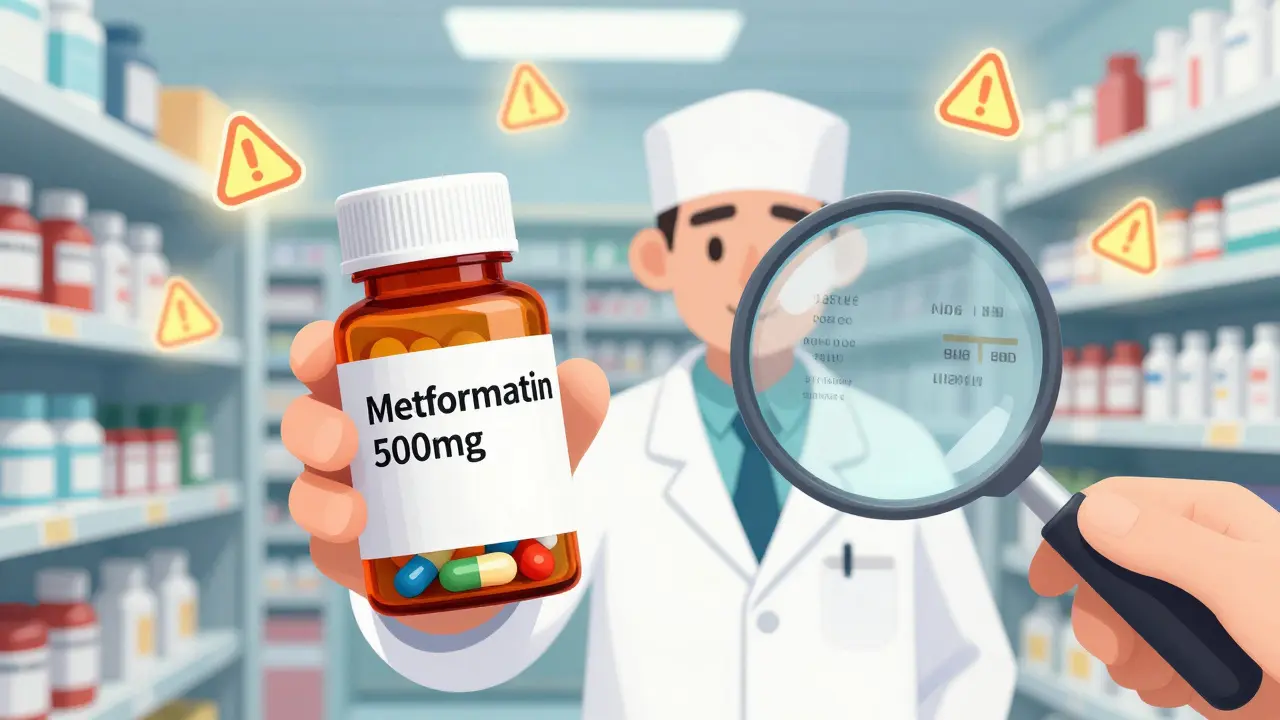
How to Recognize Labeling Errors and Ask for Corrections in Medication Data
Posted by Desmond Carrington on 22/01/26
Learn how to spot and correct medication labeling errors in pharmacy systems to prevent dangerous mistakes. Practical steps for pharmacists and staff to ensure patient safety.
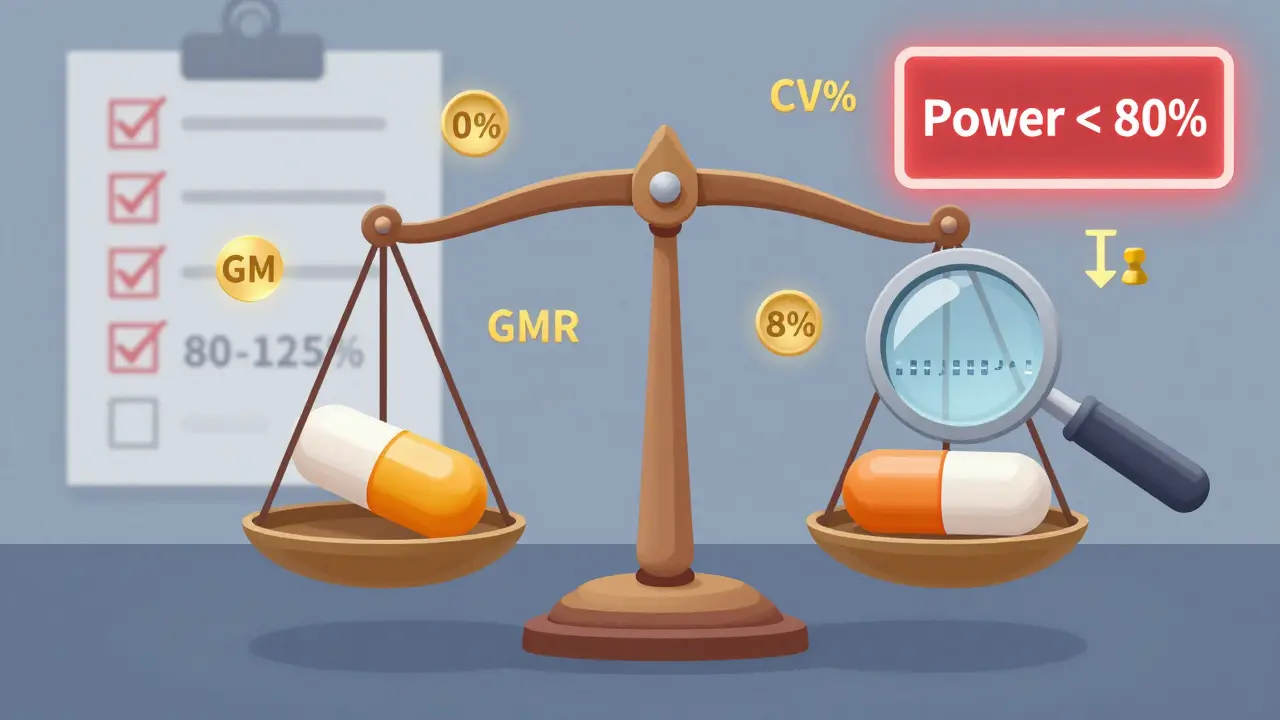
Statistical Analysis in BE Studies: How to Calculate Power and Sample Size Correctly
Posted by Desmond Carrington on 21/01/26
Learn how to correctly calculate power and sample size for bioequivalence studies to meet FDA and EMA requirements. Avoid common mistakes that lead to study failure.
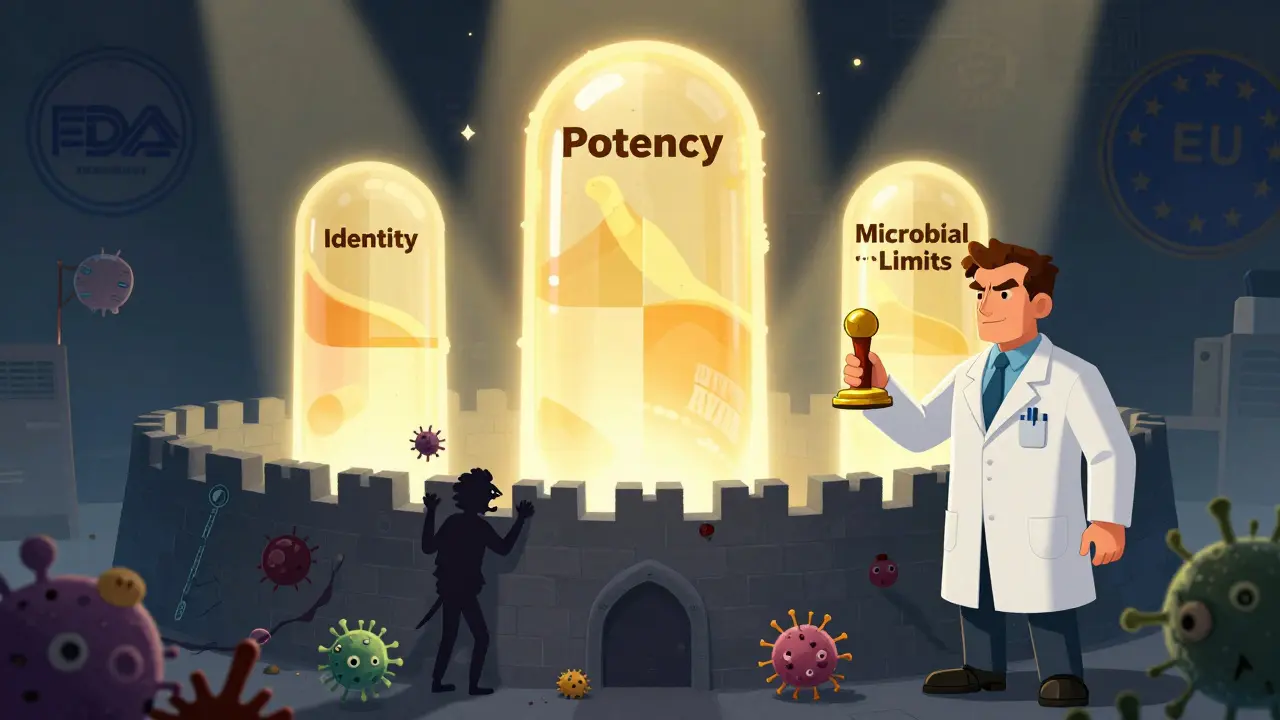
Batch Release Testing: Final Checks Before Pharmaceutical Distribution
Posted by Desmond Carrington on 17/01/26
Batch release testing is the final, mandatory quality check that ensures every pharmaceutical batch meets safety and efficacy standards before reaching patients. It prevents recalls, protects public health, and involves rigorous lab testing and regulatory certification.
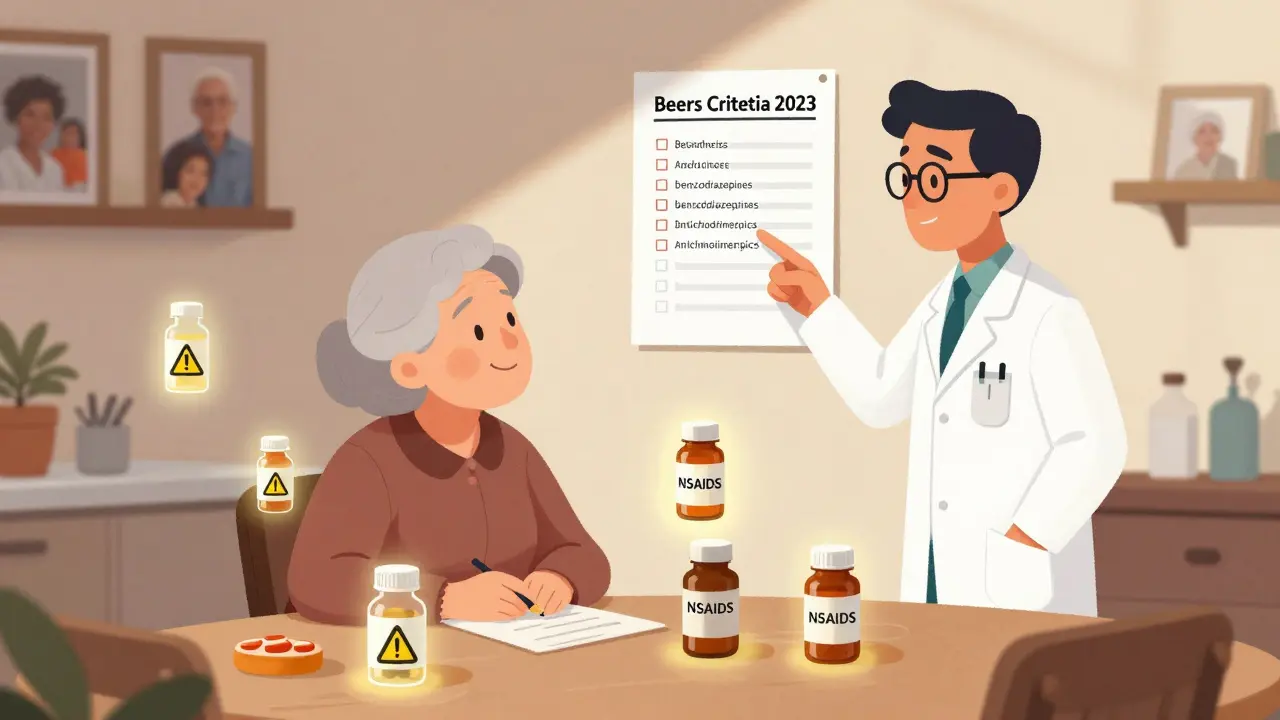
Beers Criteria: What Older Adults Should Know About Potentially Inappropriate Medications
Posted by Desmond Carrington on 16/01/26
The Beers Criteria identify potentially harmful medications for adults over 65. Learn which drugs to question, why they're risky, and how to use this tool safely with your doctor.
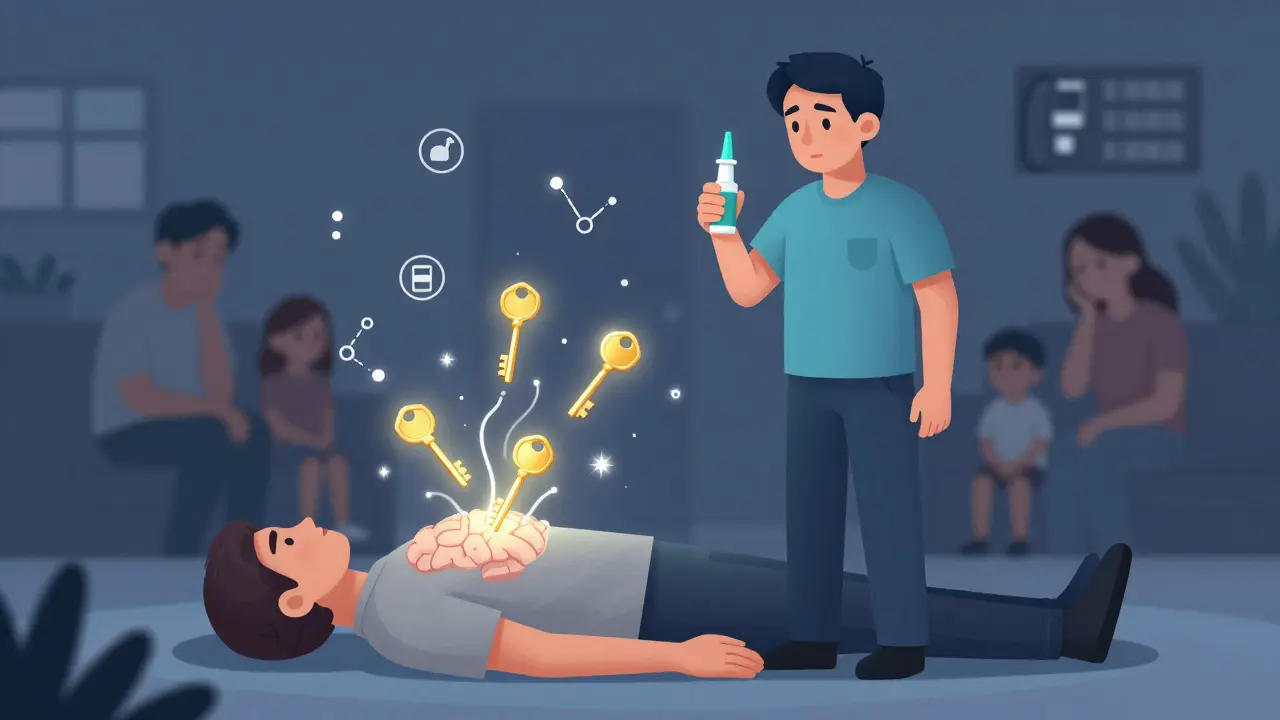
Opioid Safety: How Naloxone Works, Overdose Risks, and Safe Storage Practices
Posted by Desmond Carrington on 15/01/26
Naloxone can reverse an opioid overdose in minutes. Learn how it works, when to use it, why one dose isn't always enough, and how to store it safely so it's ready when you need it most.
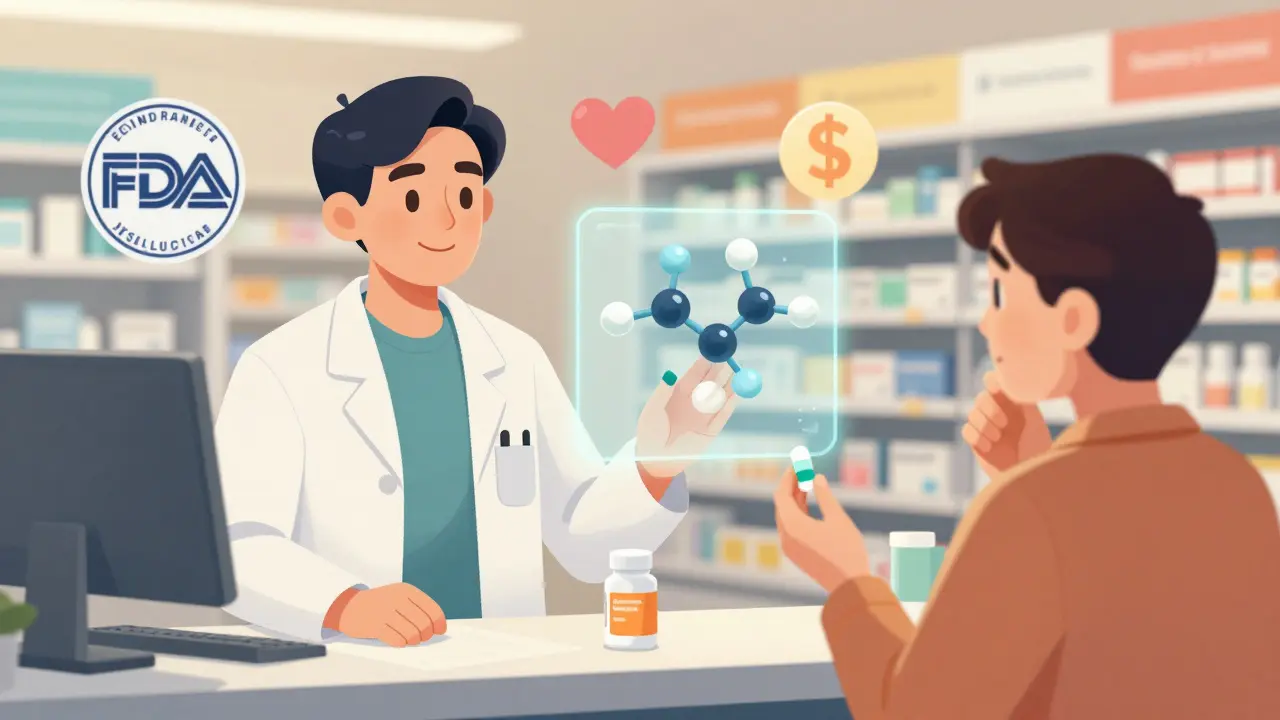
How to Talk to Patients About Generic Medications: Proven Communication Strategies for Pharmacists
Posted by Desmond Carrington on 13/01/26
Learn proven communication strategies pharmacists can use to reduce patient hesitation about generic medications. Discover how to build trust, use effective phrases, and leverage visual tools to improve adherence and outcomes.
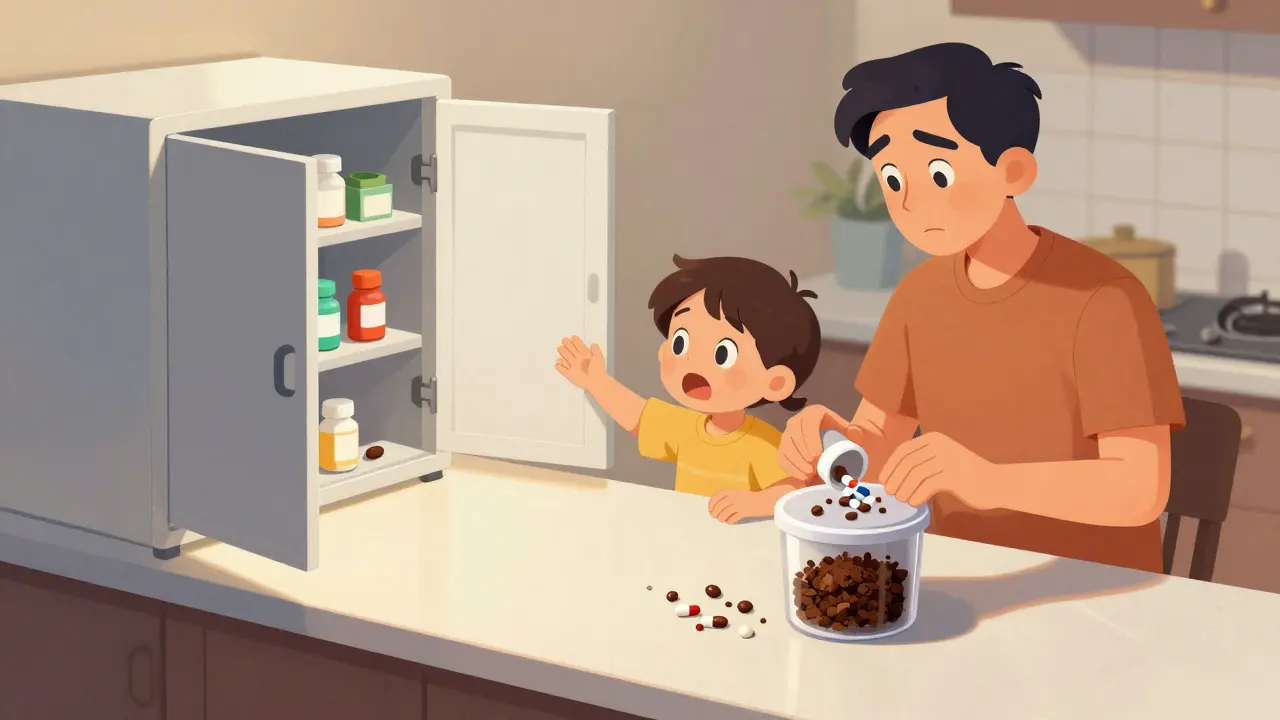
How to Safely Dispose of Medications in Household Trash: Step-by-Step Guide
Posted by Desmond Carrington on 12/01/26
Learn how to safely dispose of expired or unused medications in household trash using FDA and EPA guidelines. Follow simple steps to prevent accidental poisoning, misuse, and environmental harm.
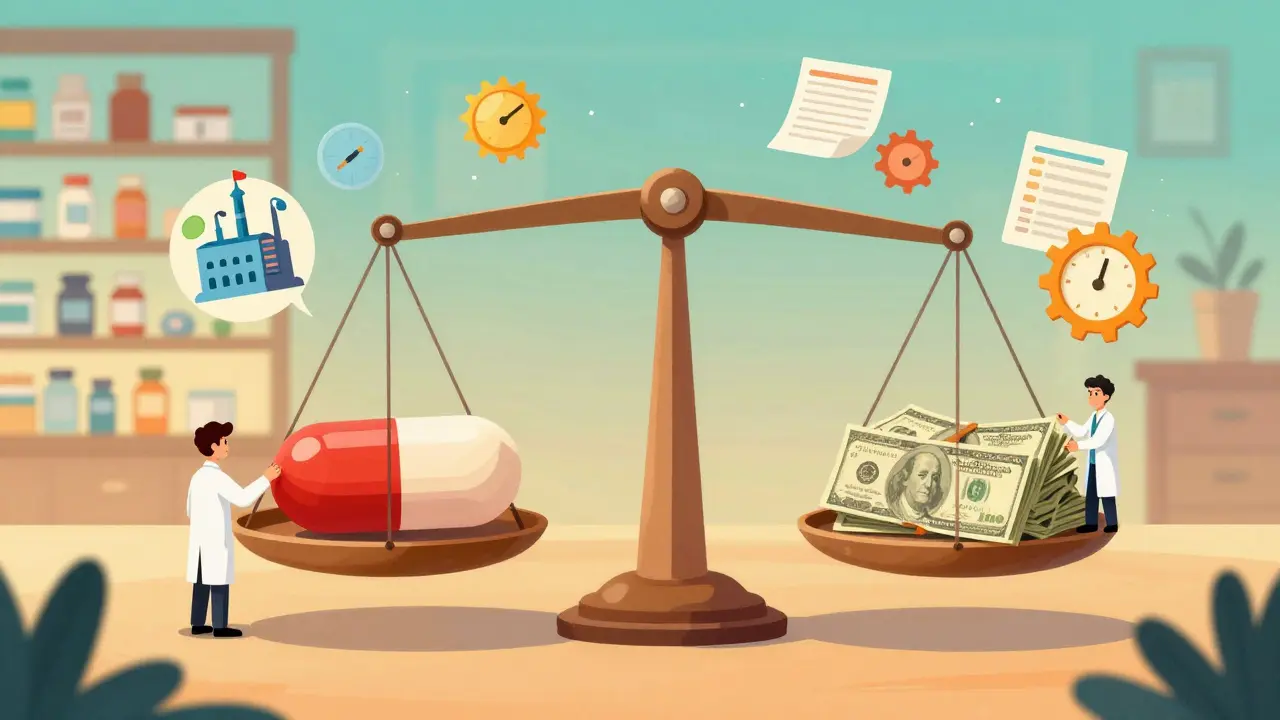
Generic Drug User Fees: How FDA Funding Speeds Up Generic Medication Approvals
Posted by Desmond Carrington on 9/01/26
Generic drug user fees fund FDA reviews, cutting approval times from years to months. Learn how GDUFA keeps affordable medicines flowing and why it matters for patients and manufacturers.

Medications and Work Safety Risks: What Employees and Employers Need to Know
Posted by Desmond Carrington on 6/01/26
Medications can affect work safety in two ways: workers taking prescription drugs like opioids, and healthcare workers exposed to hazardous drugs like chemotherapy. Learn the risks, real-world data, and proven safety measures to protect yourself and others.
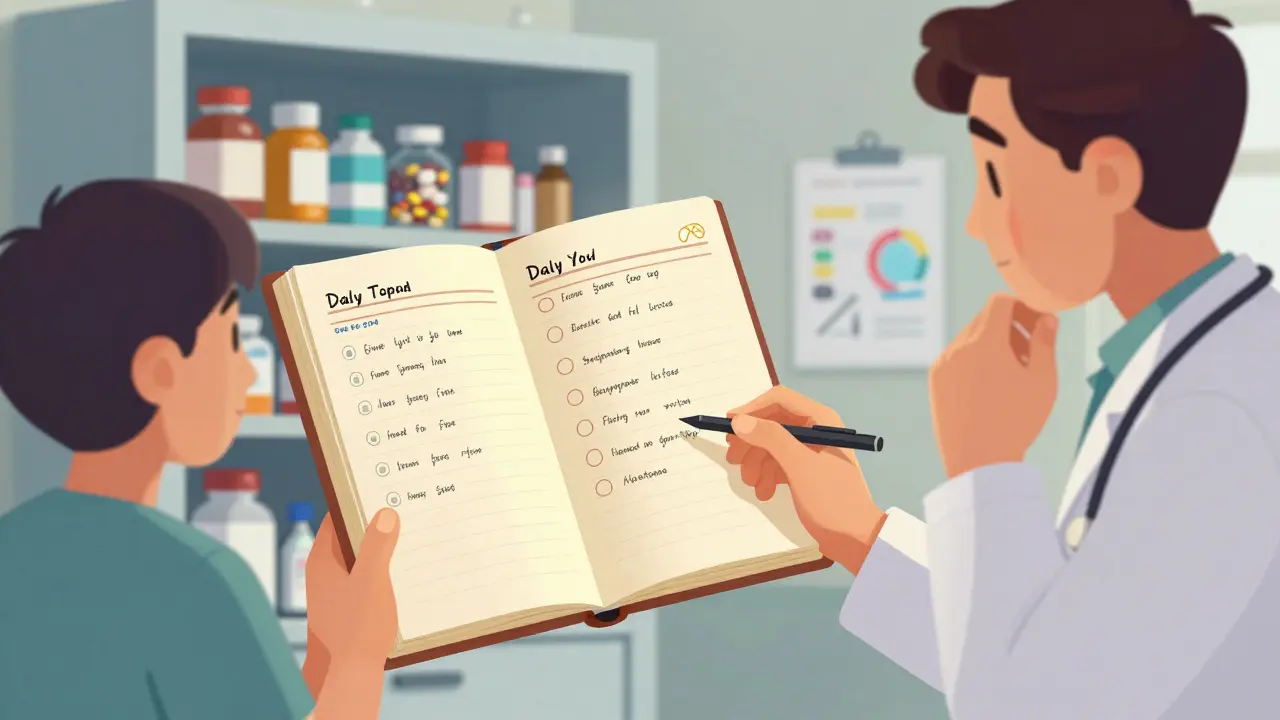
How to Ask for Alternatives if a Medication Is Not Working
Posted by Desmond Carrington on 31/12/25
If your medication isn't working, you have the right to ask for alternatives. Learn how to communicate effectively with your doctor using proven strategies, specific questions, and real-world alternatives backed by research.
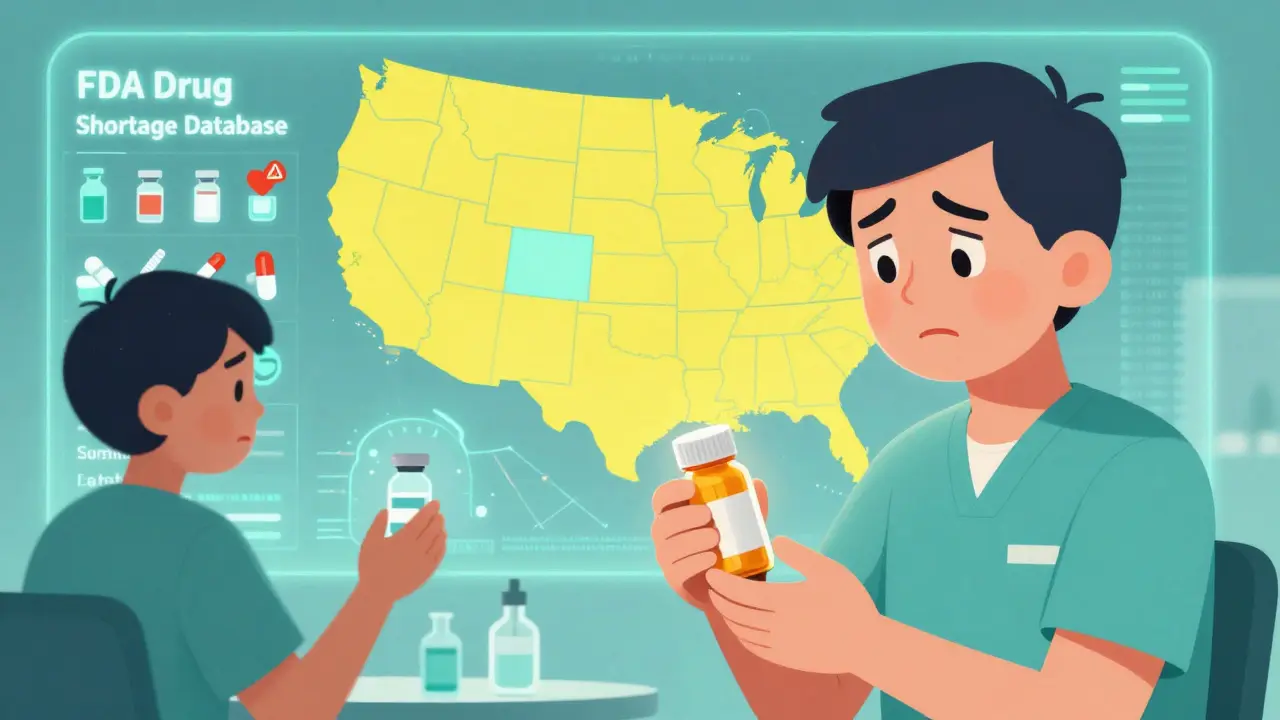
How to Check the FDA Drug Shortage Database for Medication Availability
Posted by Desmond Carrington on 30/12/25
Learn how to use the FDA's official drug shortage database to check if your medication is in short supply. Find out how to search by NDC, understand shortage reasons, and avoid common mistakes.
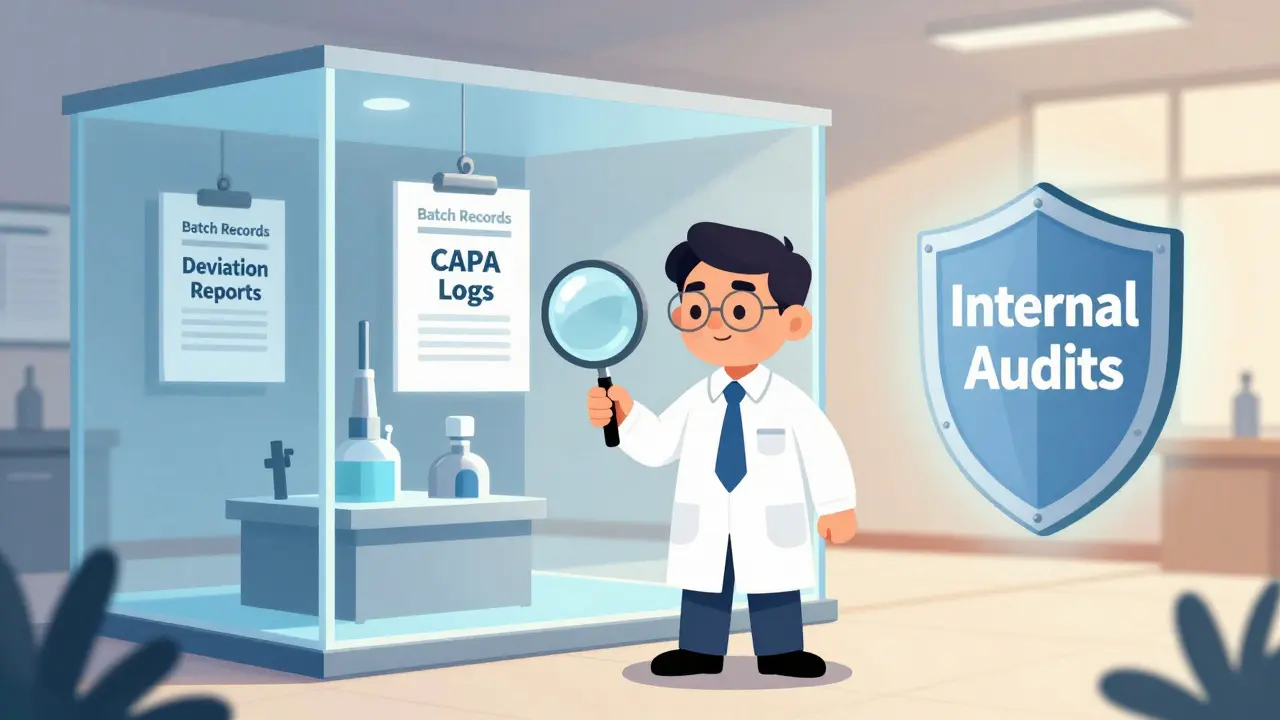
Manufacturing Transparency: How to Access FDA Inspection Records for Drug and Device Facilities
Posted by Desmond Carrington on 26/12/25
Understand how FDA inspection records work, what manufacturers must disclose, and how internal audits differ from required quality investigations. Learn about Form 483, RRAs, record retention rules, and the new push for global transparency.
