
Rapid Access to Medication and Supplements - Page 2
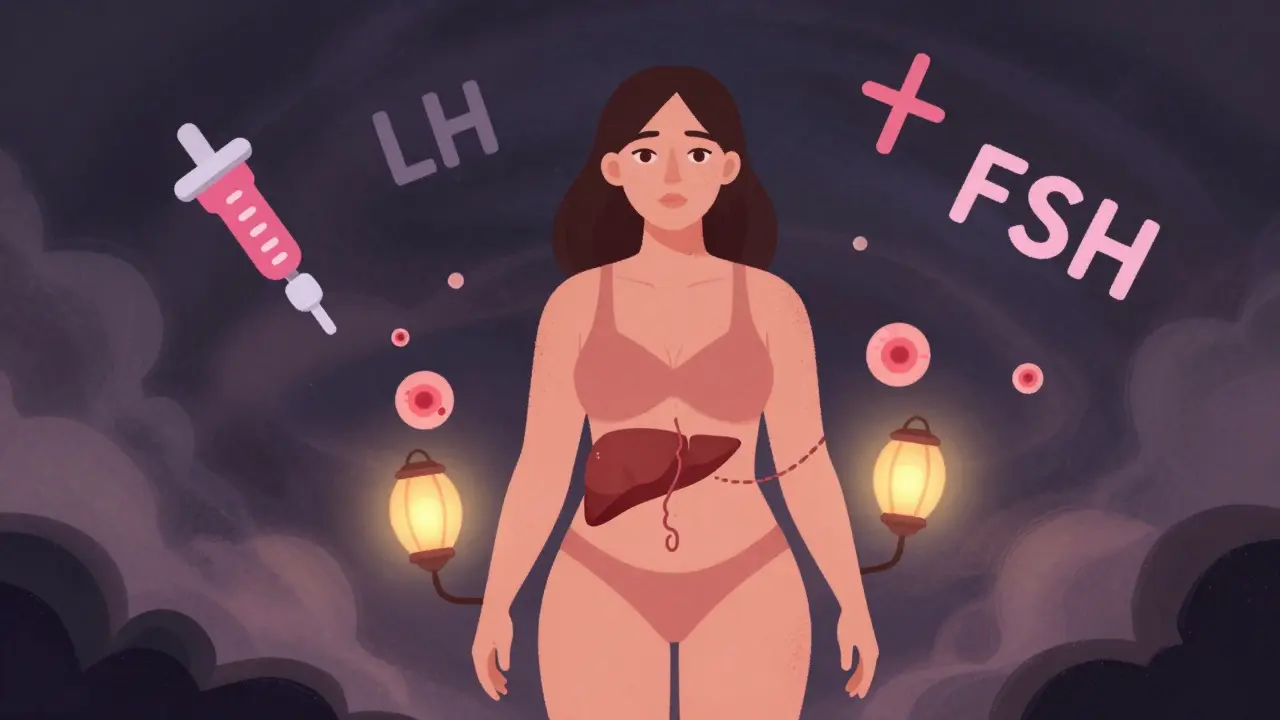
Polycystic Ovary Syndrome: Understanding Hormonal Imbalance and Fertility Treatment
Posted by Desmond Carrington on 17/02/26
PCOS is the leading cause of infertility in women, driven by hormonal imbalances like insulin resistance and high androgens. Learn how lifestyle changes, letrozole, and metformin can restore ovulation and improve fertility outcomes.
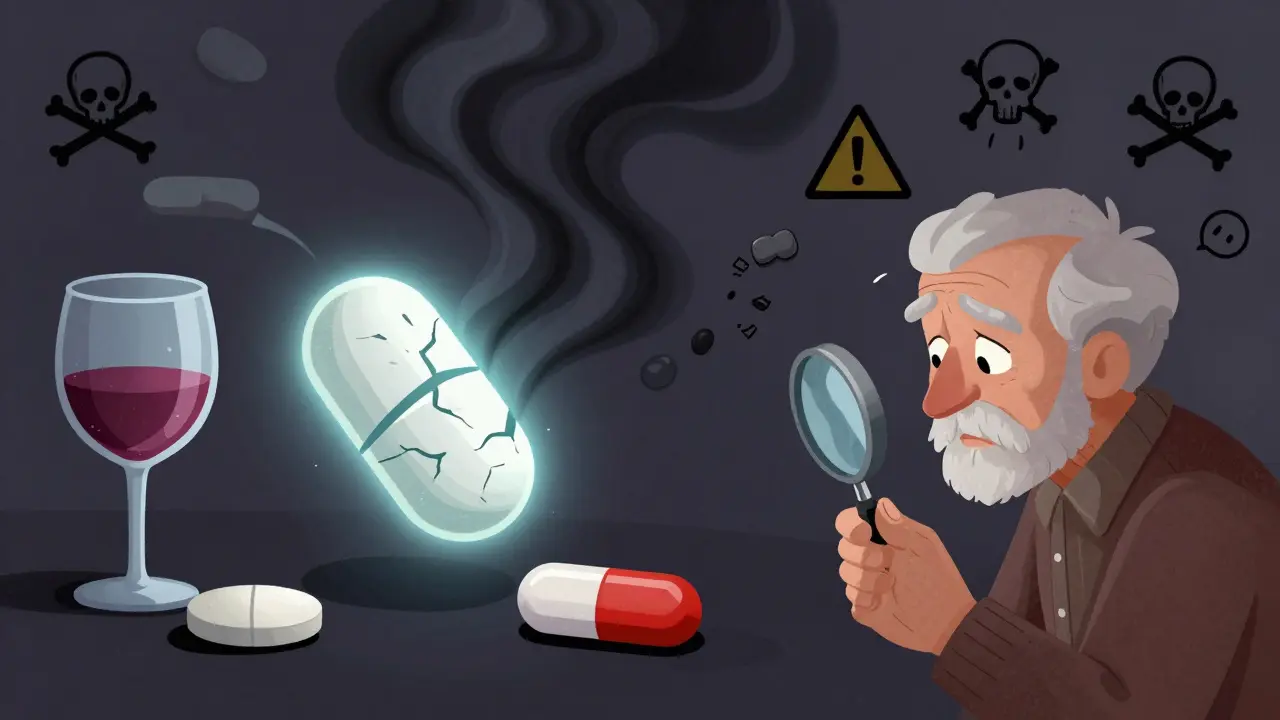
Antihistamine Interactions with Other Sedating Medications: What You Need to Know
Posted by Desmond Carrington on 16/02/26
Antihistamines like Benadryl can dangerously interact with opioids, sleep aids, and alcohol, increasing risks like respiratory depression and delirium. Second-generation options like loratadine and fexofenadine are much safer alternatives.
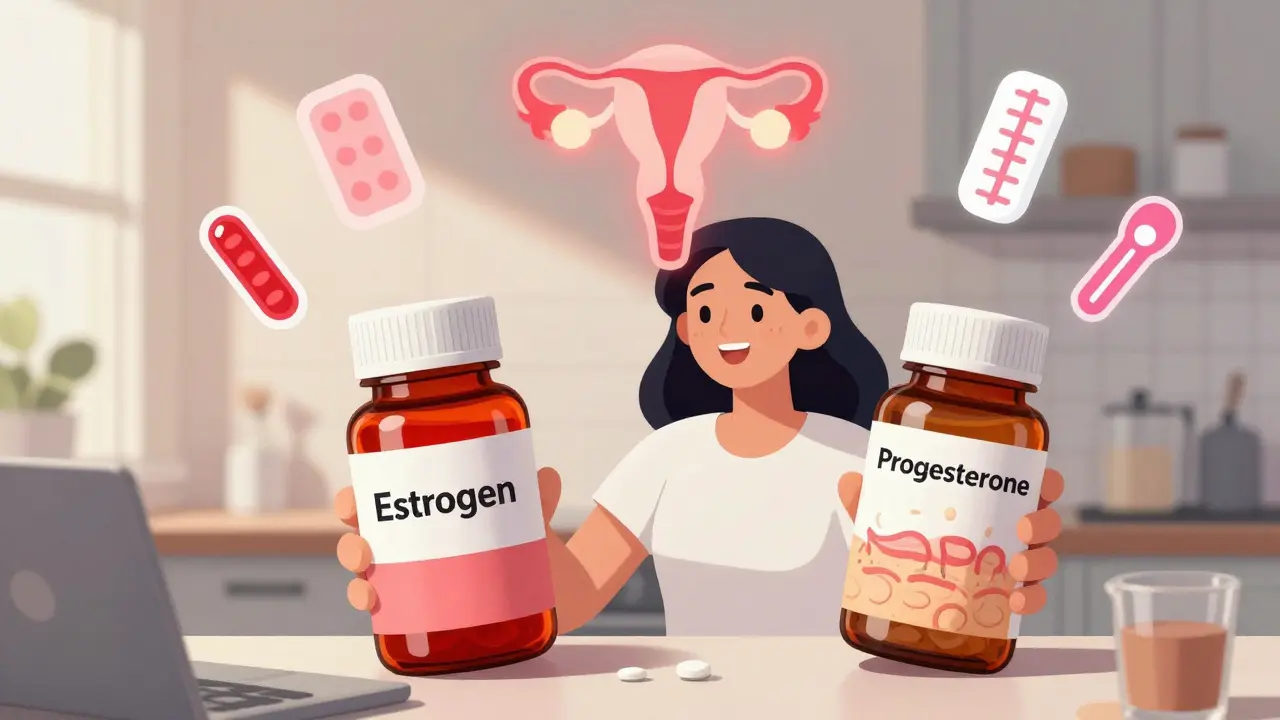
Hormone Therapy Combinations: Generic Choices and Considerations
Posted by Desmond Carrington on 10/02/26
Hormone therapy combinations help manage menopause symptoms, but choices matter. Learn about generic estrogen and progestogen options, delivery methods, risks, and what's new in 2026.
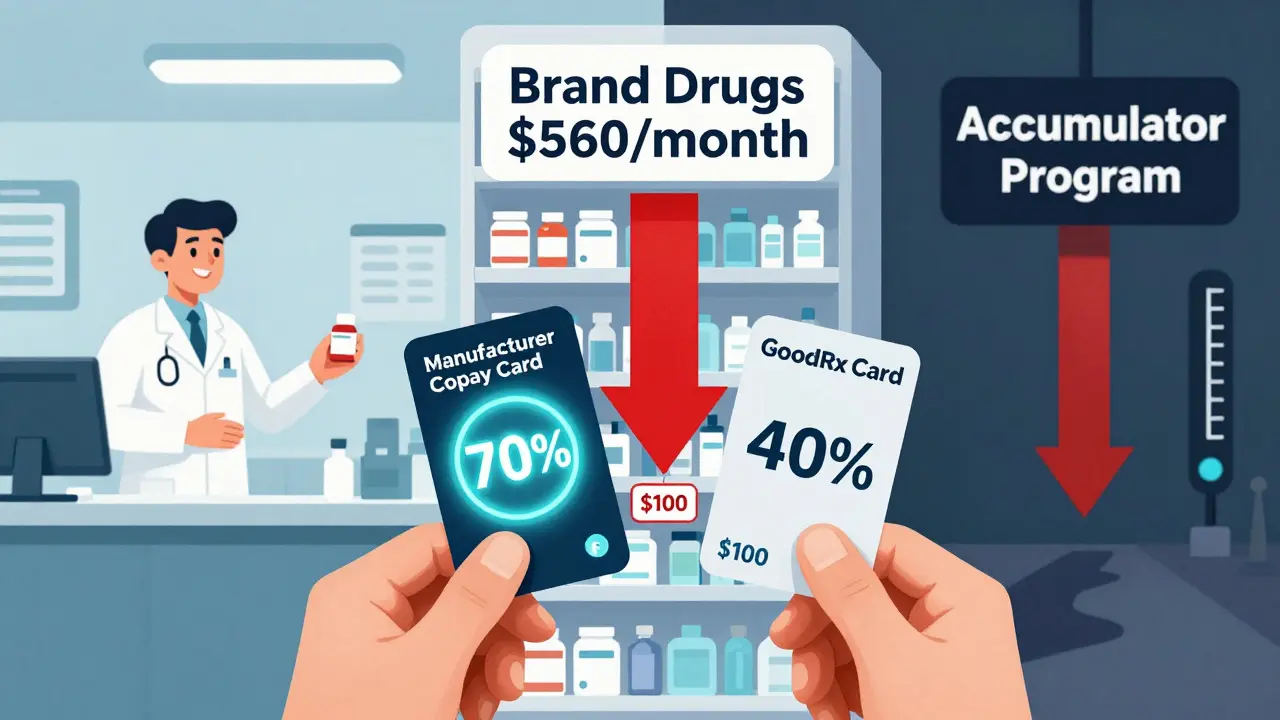
How to Use Manufacturer Savings Programs for Brand Drugs
Posted by Desmond Carrington on 9/02/26
Manufacturer savings programs can cut brand drug costs by up to 85%, but they come with strict rules. Learn how to enroll, avoid common traps like accumulator programs, and know when to switch to alternatives like GoodRx.
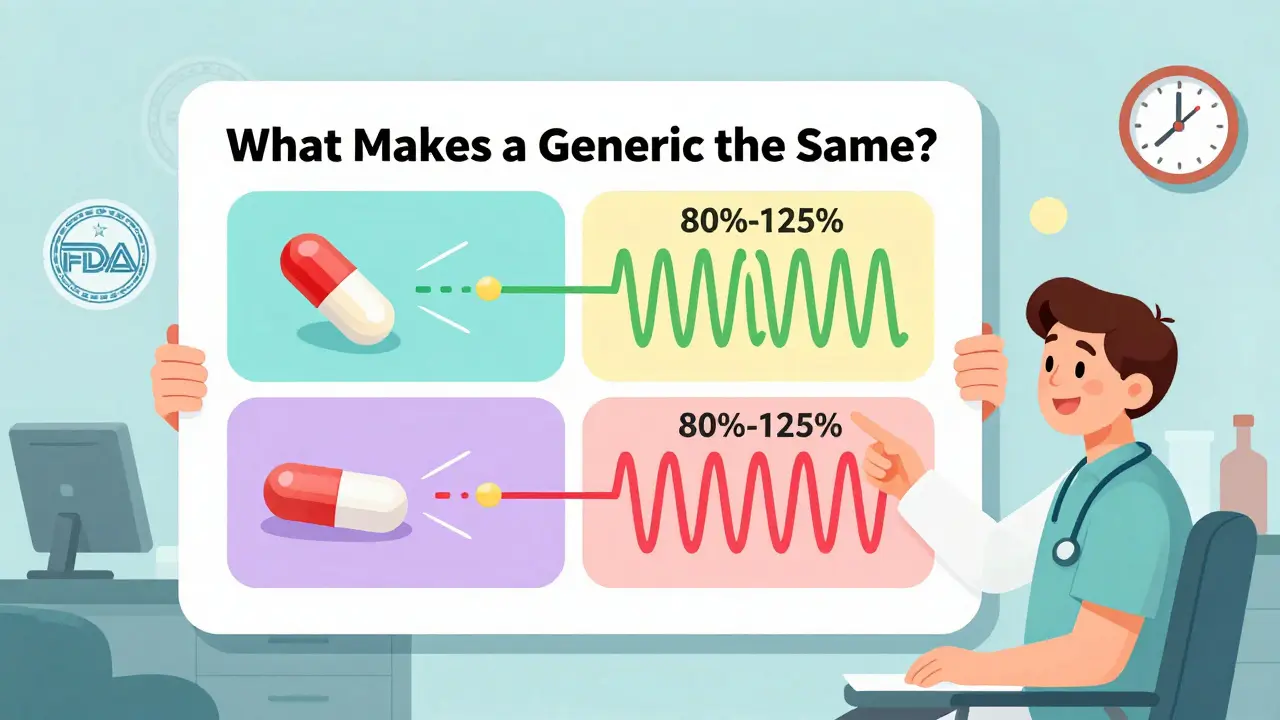
Prescriber Education Resources: Guides for Doctors on Generics
Posted by Desmond Carrington on 7/02/26
Doctors need clear, practical tools to confidently prescribe generic medications. Learn how FDA resources help bridge the gap between science and practice - and why 90% of prescriptions are already generics.
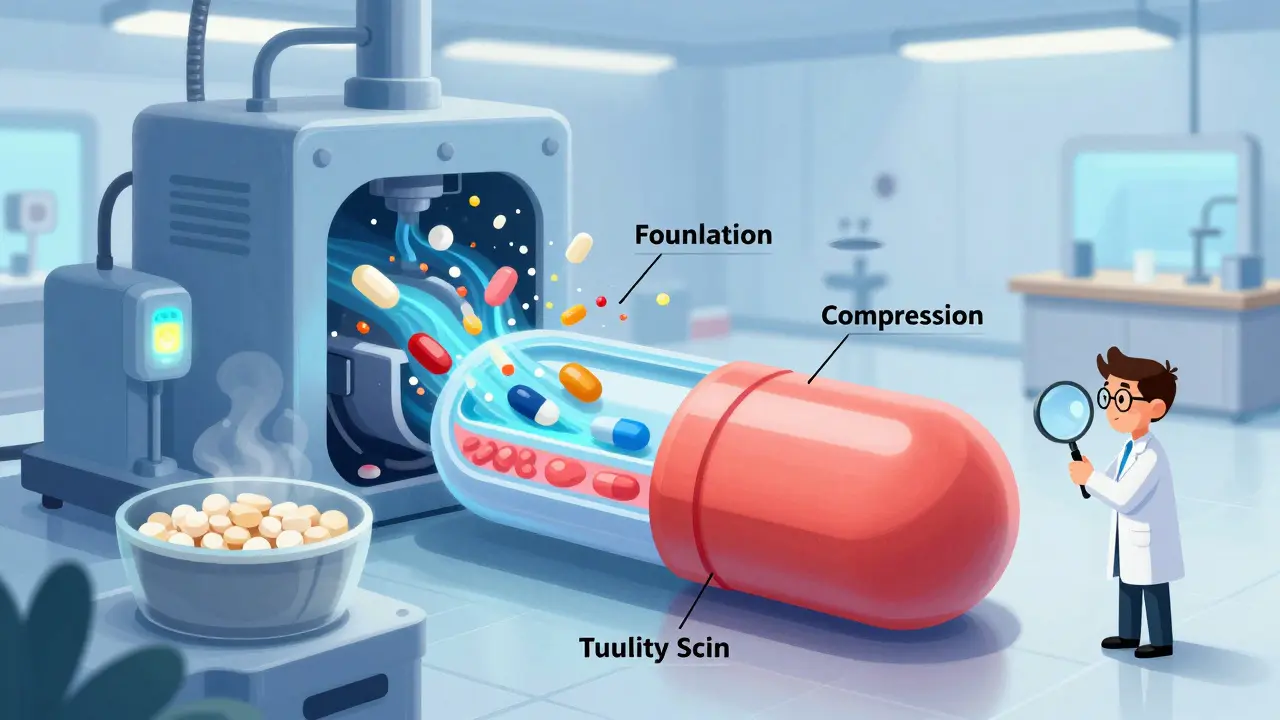
How Generic Drugs Are Made: The Manufacturing Process Explained
Posted by Desmond Carrington on 7/02/26
Generic drugs save billions by offering the same medicine as brand-name drugs at a fraction of the cost. Learn how they're made, tested, and approved under strict FDA rules to ensure safety and effectiveness.
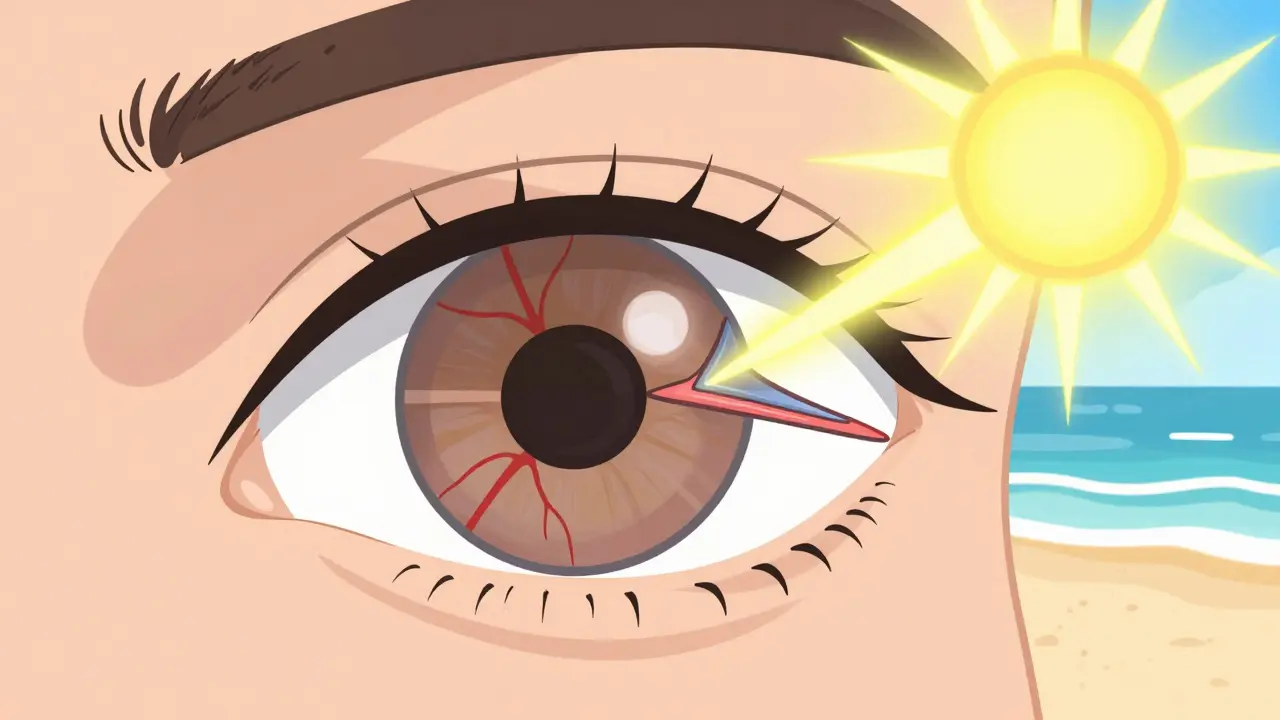
Pterygium Explained: Sun Exposure Risks and Surgical Treatment Options
Posted by Desmond Carrington on 4/02/26
Pterygium is an eye growth caused by UV exposure, often called 'Surfer's Eye.' Learn about prevention, surgical options, and recovery tips to protect your vision.
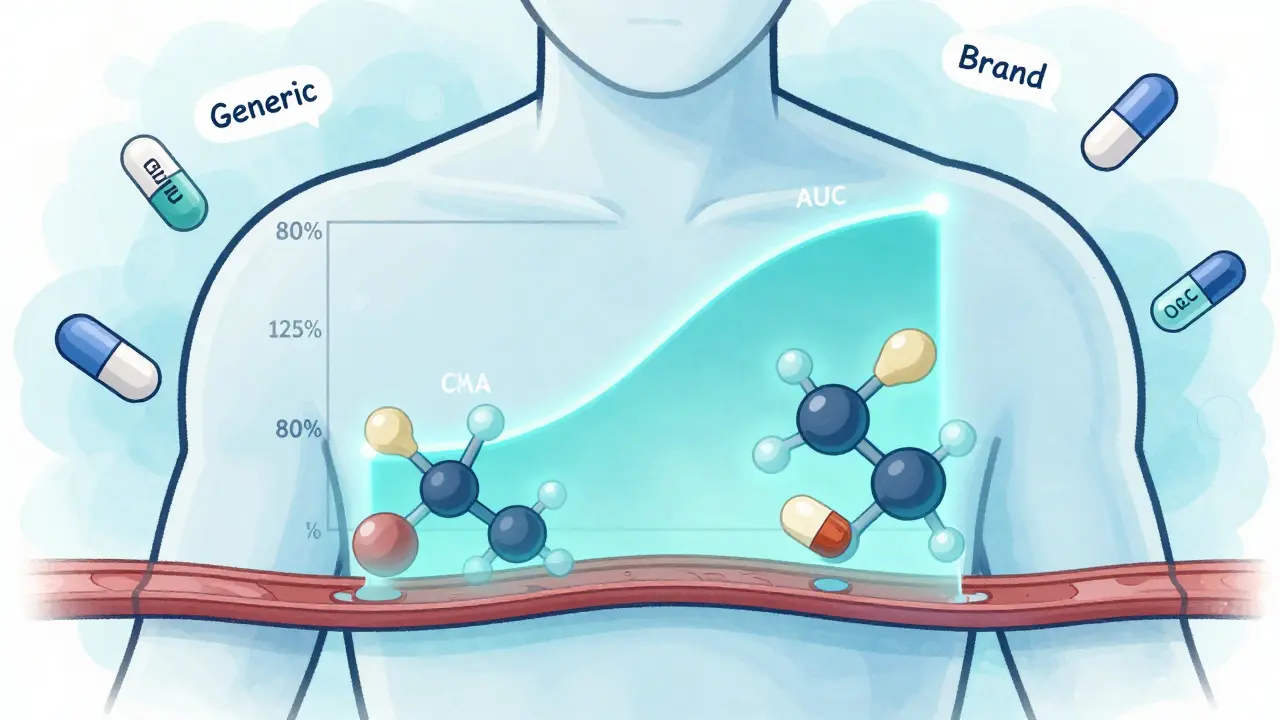
Bioequivalence Testing for Generic Drugs: What It Actually Proves
Posted by Desmond Carrington on 2/02/26
Bioequivalence testing proves generic drugs deliver the same active ingredient at the same rate and amount as brand-name versions. It's the science behind 90% of prescriptions in the U.S. and saves billions annually.
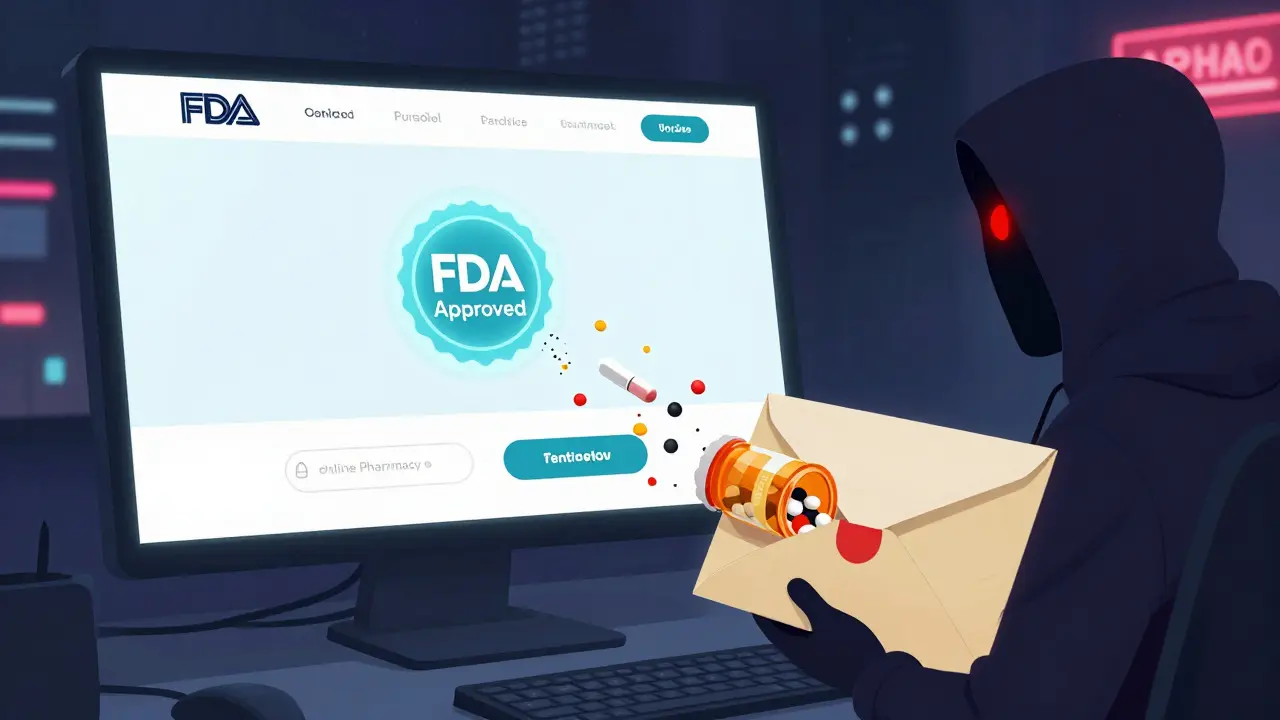
Online Pharmacy Counterfeits: The Hidden Dangers of Buying Medicines Online
Posted by Desmond Carrington on 1/02/26
Buying medicine online can be dangerous. Counterfeit drugs often contain deadly substances like fentanyl, and 95% of online pharmacies selling prescription drugs are illegal. Learn how to spot fake pharmacies and protect yourself.
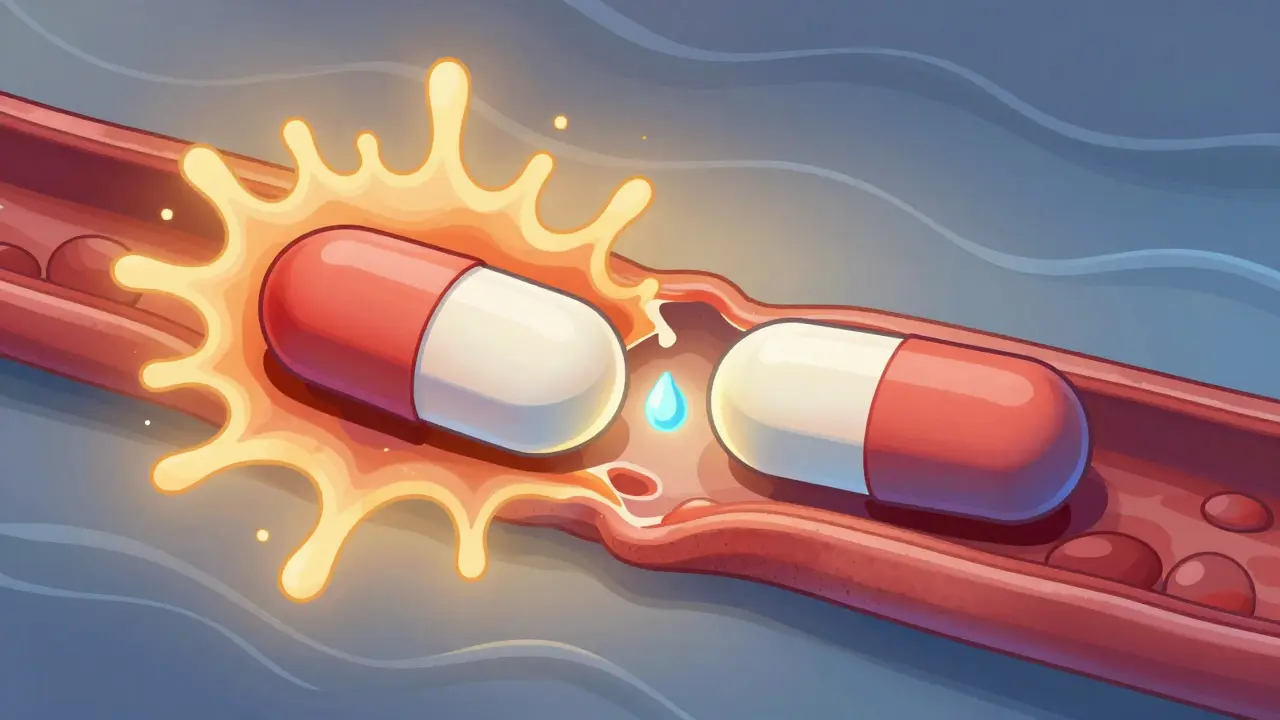
Modified-Release Formulations: What You Need to Know About Bioequivalence Rules
Posted by Desmond Carrington on 30/01/26
Modified-release formulations require specialized bioequivalence testing to ensure generics behave like brand-name drugs. Learn how regulators assess release profiles, partial AUC, alcohol interactions, and why these drugs are harder to copy.
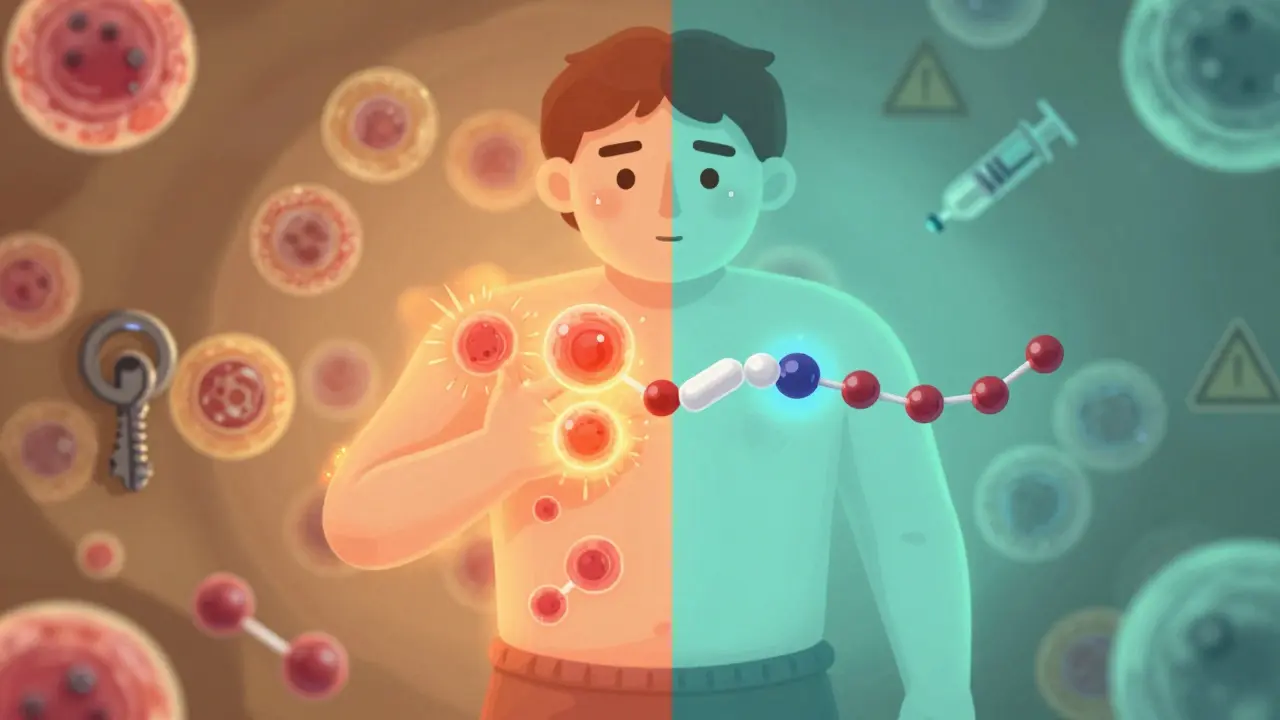
Opioid Reactions: Itching vs. Allergy and What to Do
Posted by Desmond Carrington on 29/01/26
Itching from opioids is rarely a true allergy - it's usually a histamine reaction. Learn how to tell the difference, what to do when it happens, and which pain meds won't make you scratch.
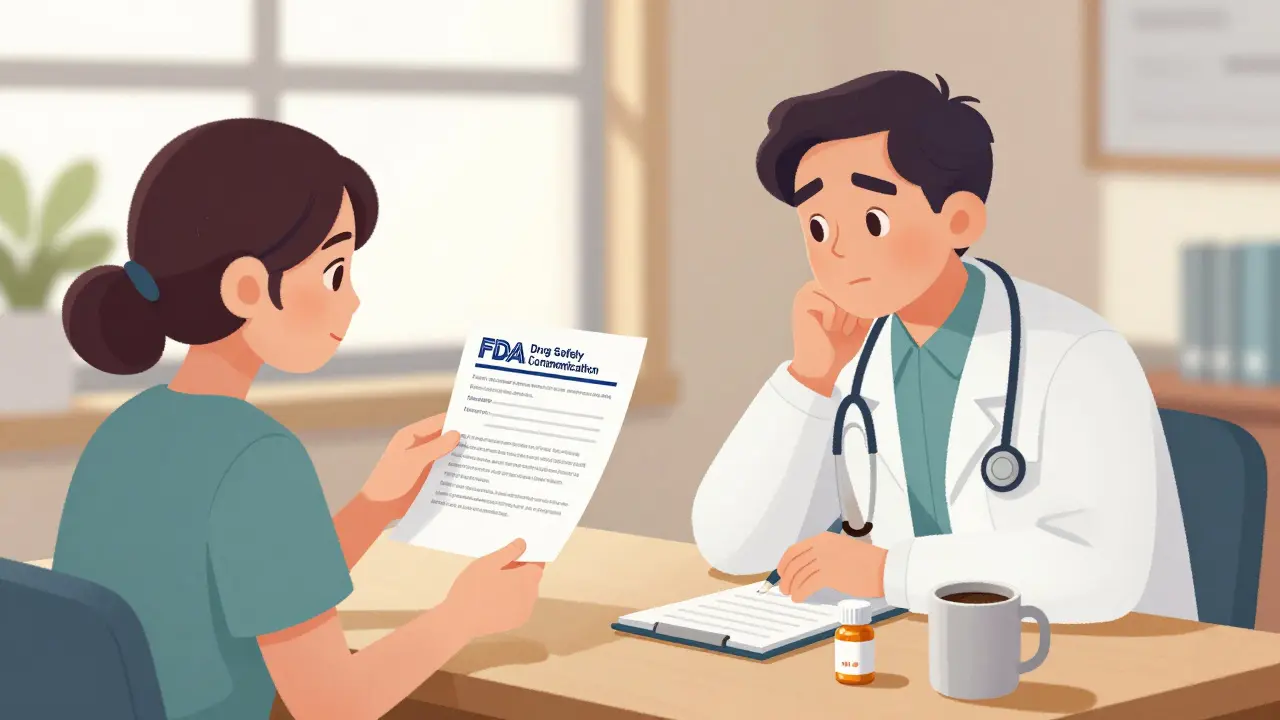
How to Talk to Your Doctor About New Drug Safety Alerts
Posted by Desmond Carrington on 28/01/26
Learn how to effectively discuss FDA drug safety alerts with your doctor-without sounding alarmist. Get the right questions to ask, where to find real alerts, and how to turn warnings into smart healthcare decisions.
