
Category: Medications - Page 4
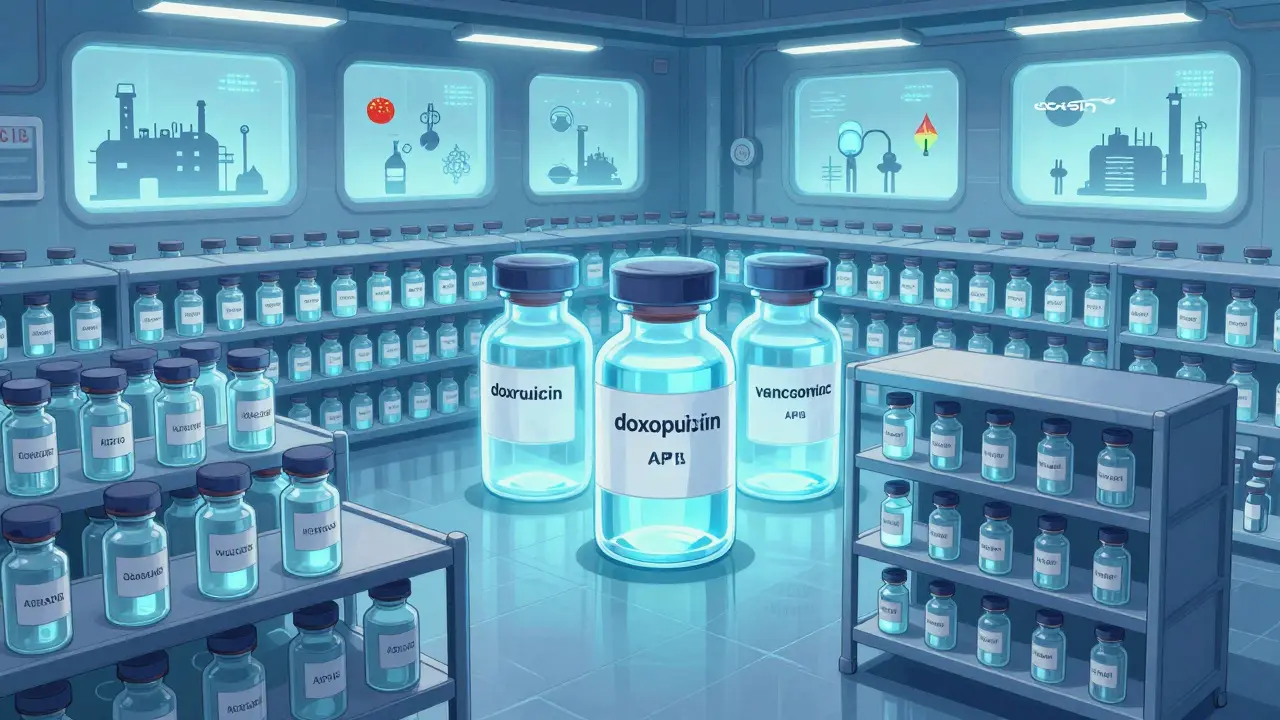
Government Response to Drug Shortages: Federal Actions and Real-World Impact
Posted by Desmond Carrington on 23/12/25
Federal efforts to tackle U.S. drug shortages include stockpiling raw ingredients and AI monitoring, but weak enforcement, low profits, and global supply risks keep shortages rising. Patients and hospitals pay the price.

Warfarin and Vitamin K Foods: How to Keep Your Diet Consistent for Safe Blood Thinners
Posted by Desmond Carrington on 22/12/25
Warfarin users need consistent vitamin K intake, not low intake. Learn which foods affect INR, how to track portions, and why consistency beats restriction for safe blood thinning.
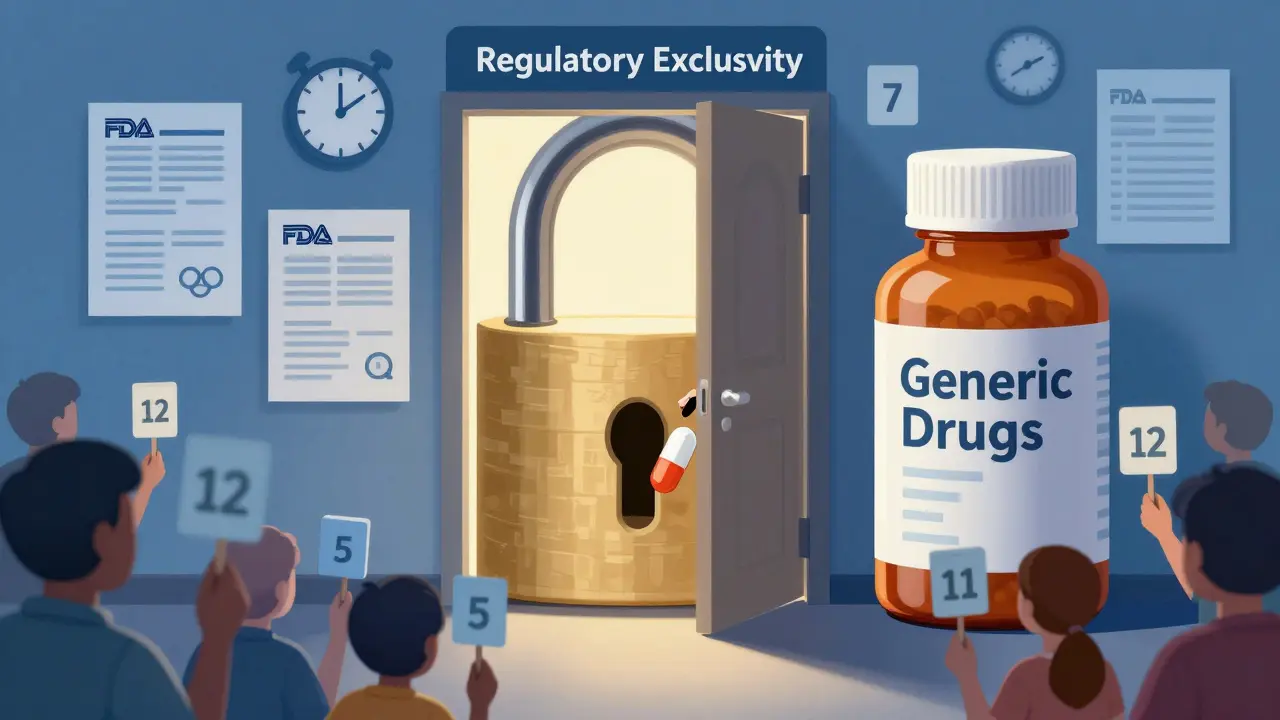
Regulatory Exclusivity: How Non-Patent Protections Delay Generic Drugs
Posted by Desmond Carrington on 21/12/25
Regulatory exclusivity blocks generic drugs from entering the market for 5 to 12 years, even after patents expire. Learn how FDA-granted protections keep drug prices high and why they’re changing.
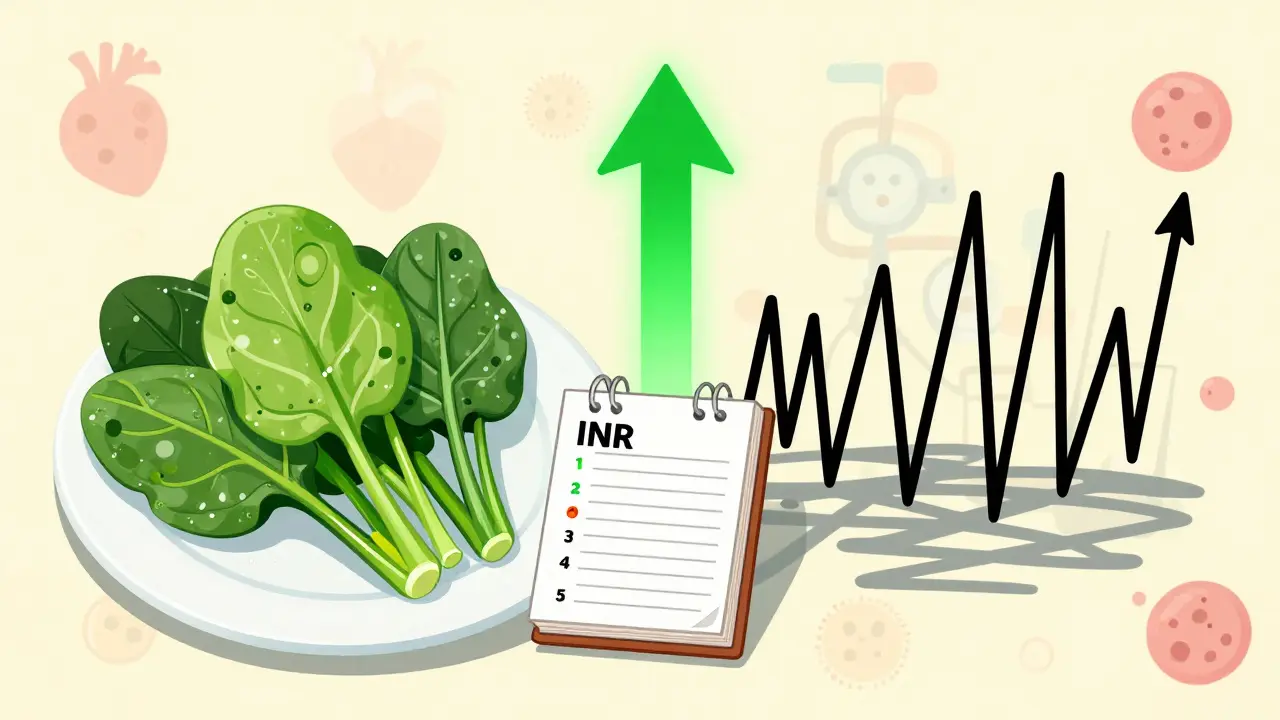
Green Leafy Vegetables and Warfarin: Why Consistency Beats Avoidance
Posted by Desmond Carrington on 18/12/25
You don’t need to avoid spinach or kale on warfarin-just eat the same amount every day. Consistent vitamin K intake keeps your INR stable and prevents dangerous clots or bleeding. Here’s what to eat, what to avoid, and how to stay safe.
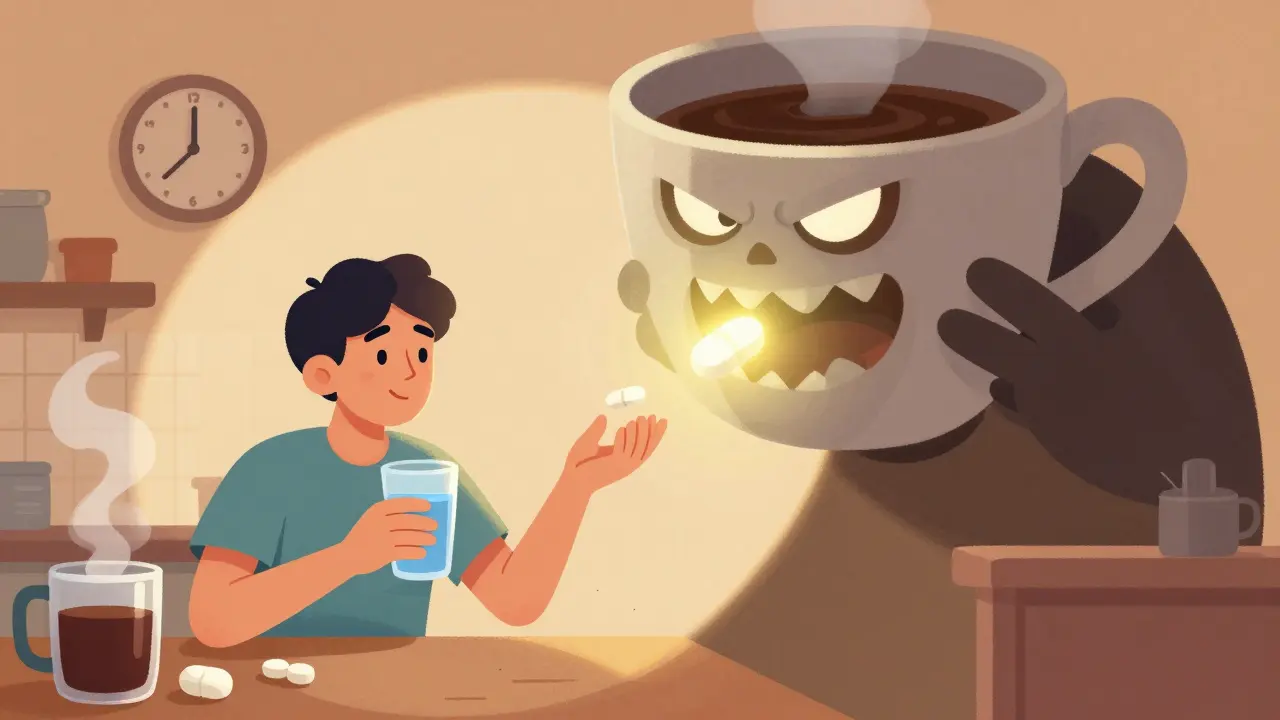
Chocolate, Coffee, and Tea with Medications: Hidden Interactions You Can't Ignore
Posted by Desmond Carrington on 17/12/25
Coffee, tea, and chocolate can interfere with medications like thyroid drugs, antidepressants, and blood thinners. Learn which combinations are dangerous, how to avoid them, and what’s changed in 2025.
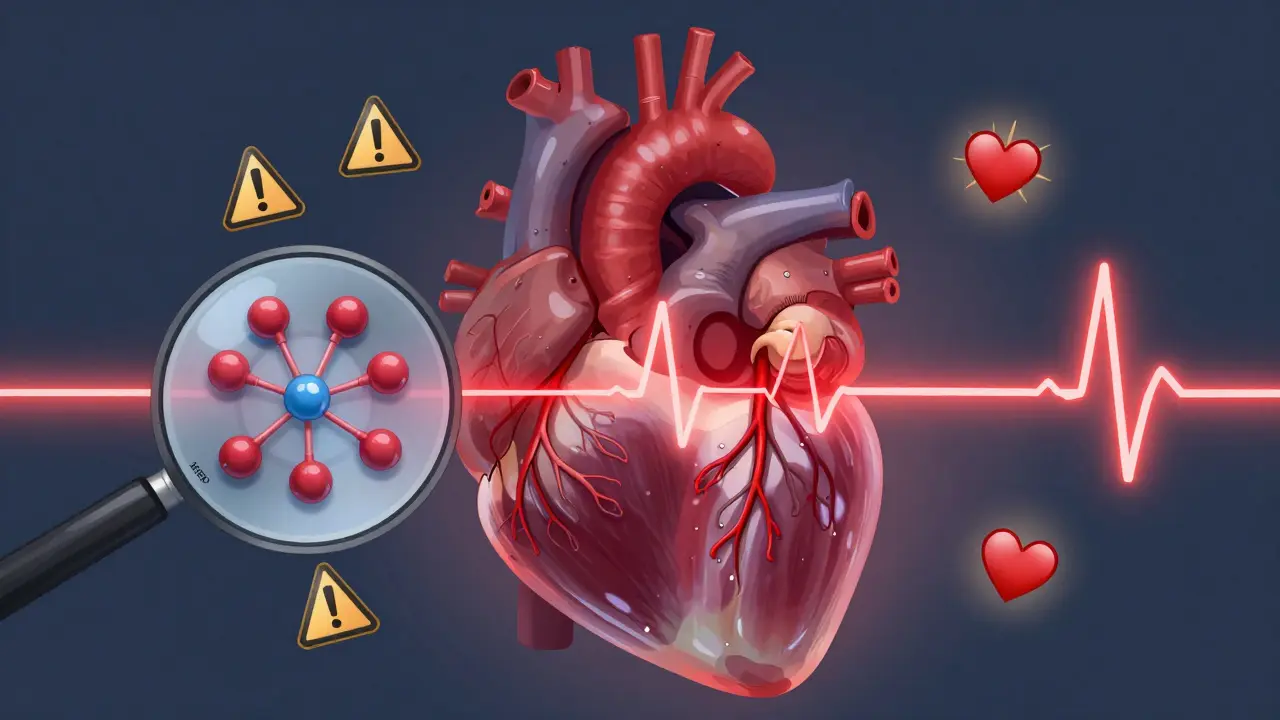
Hydroxyzine and QT Prolongation: What You Need to Know About the Cardiac Risk
Posted by Desmond Carrington on 16/12/25
Hydroxyzine is linked to QT prolongation and rare but deadly heart rhythms. Learn who’s at risk, what doses are safe, and safer alternatives for anxiety and itching.
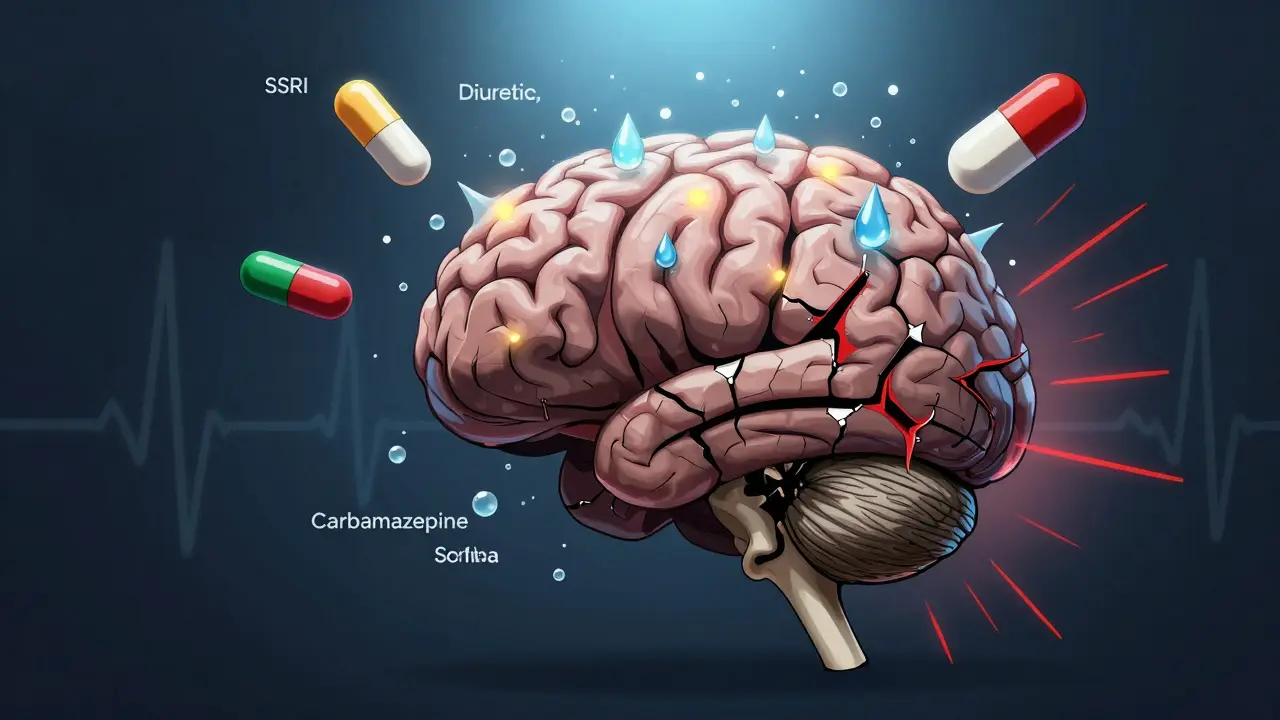
Severe Hyponatremia from Medications: Signs, Risks, and What to Do
Posted by Desmond Carrington on 15/12/25
Medications like SSRIs and diuretics can cause severe hyponatremia, leading to confusion, seizures, and even death. Learn the warning signs, who’s at risk, and how to prevent permanent brain damage.

Poison Control Hotline: How It Works and What to Report About Medications
Posted by Desmond Carrington on 15/12/25
Learn how the Poison Control Hotline works, what details to report when a medication overdose occurs, and why calling immediately can prevent serious harm - all backed by real data and expert protocols.
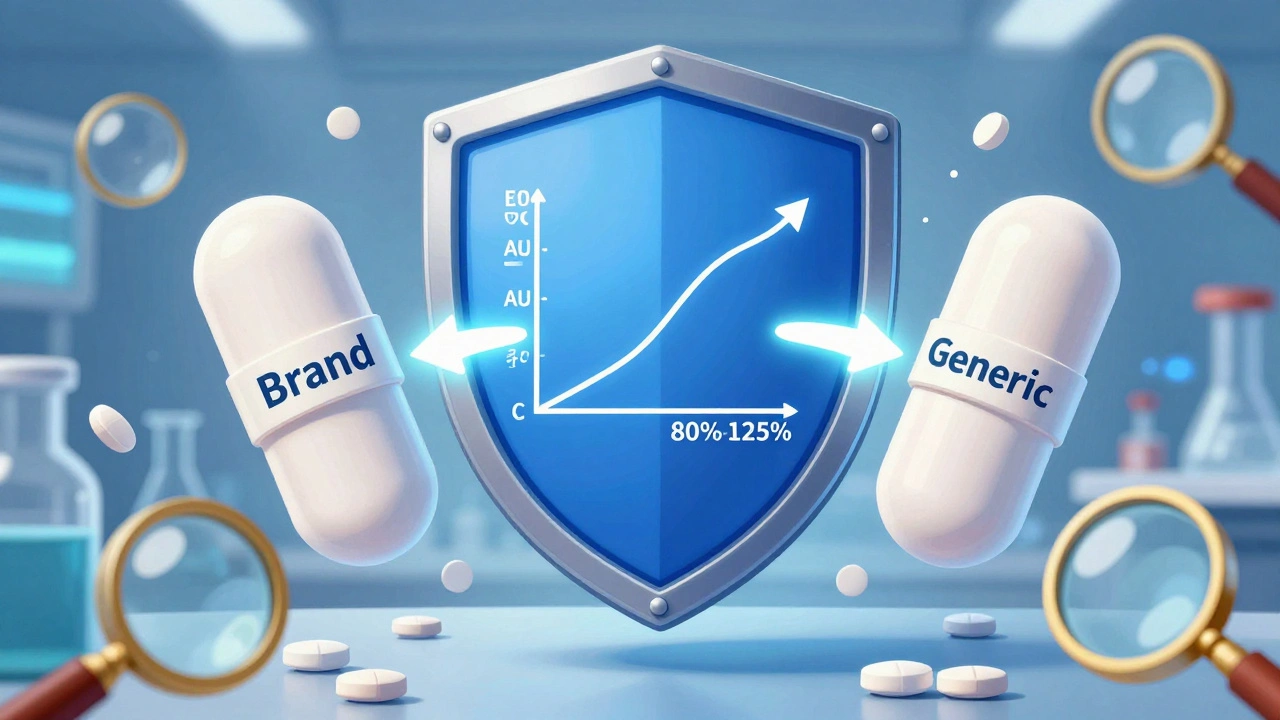
How the FDA Ensures Generic Drugs Work the Same as Brands
Posted by Desmond Carrington on 12/12/25
The FDA ensures generic drugs work the same as brand-name medications through strict bioequivalence testing, identical active ingredients, and rigorous manufacturing standards. Over 90% of U.S. prescriptions are filled with generics that save billions annually.
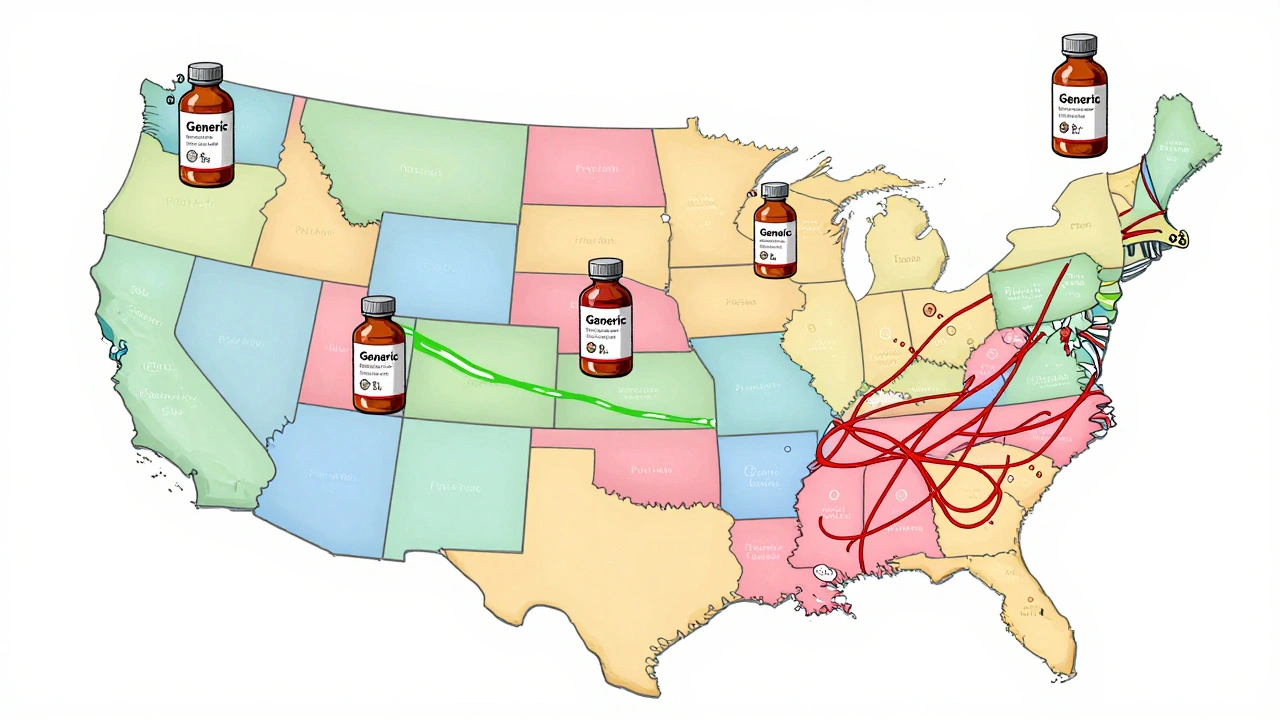
Medicaid Generic Coverage: State-by-State Variations and Requirements
Posted by Desmond Carrington on 9/12/25
Medicaid covers generic drugs in every state, but rules on copays, prior authorization, and substitutions vary widely. Know your state's formulary to avoid delays and extra costs.
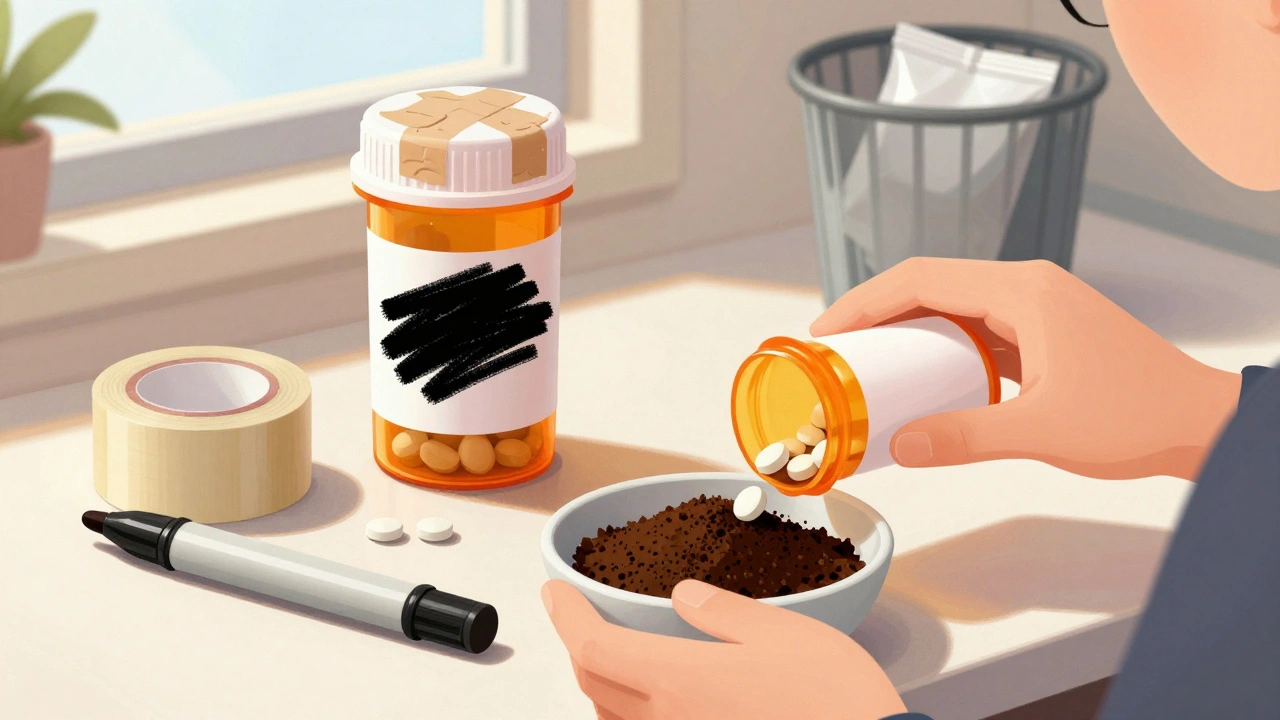
How to Protect Your Privacy When Disposing of Medications
Posted by Desmond Carrington on 8/12/25
Learn how to safely dispose of old medications while protecting your personal health information. Avoid identity theft with simple steps backed by the FDA, DEA, and HIPAA guidelines.
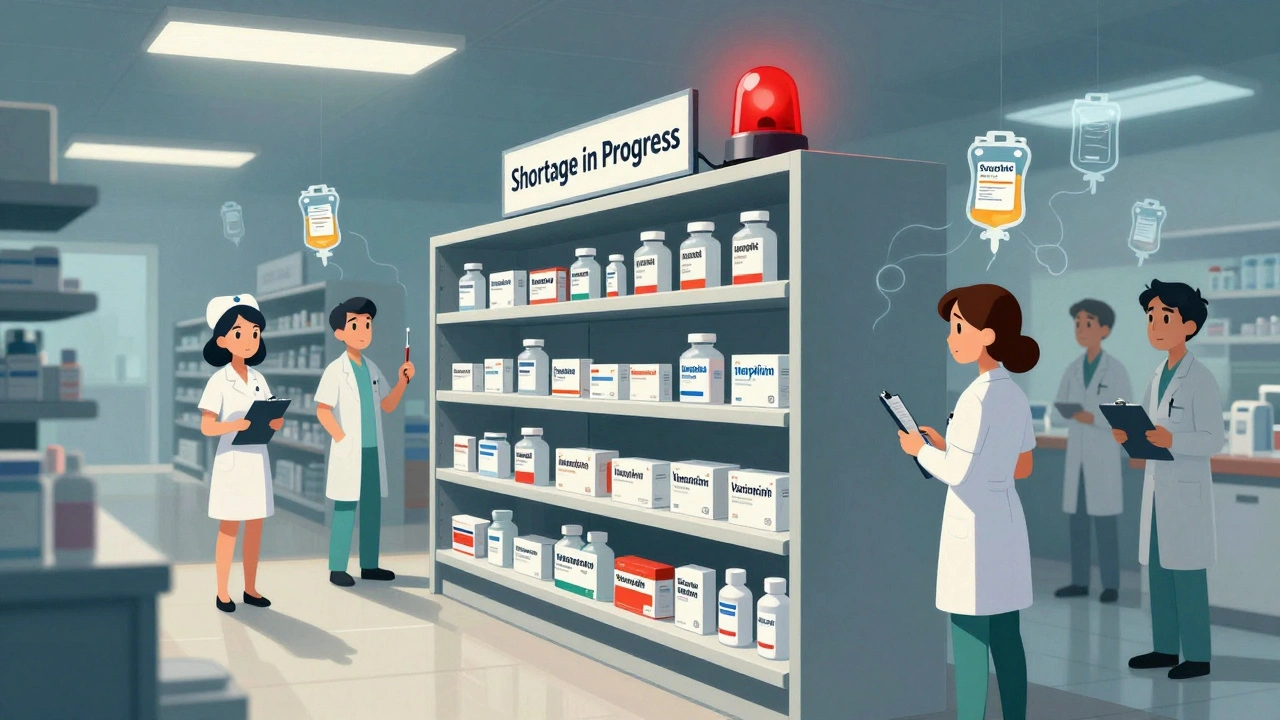
Medication Shortages: How to Manage When Drugs Aren't Available
Posted by Desmond Carrington on 6/12/25
Medication shortages are worsening, with critical drugs like morphine and IV antibiotics disappearing for months. Learn how hospitals manage these crises, why they happen, and what clinicians can do to protect patients when supplies run out.
